


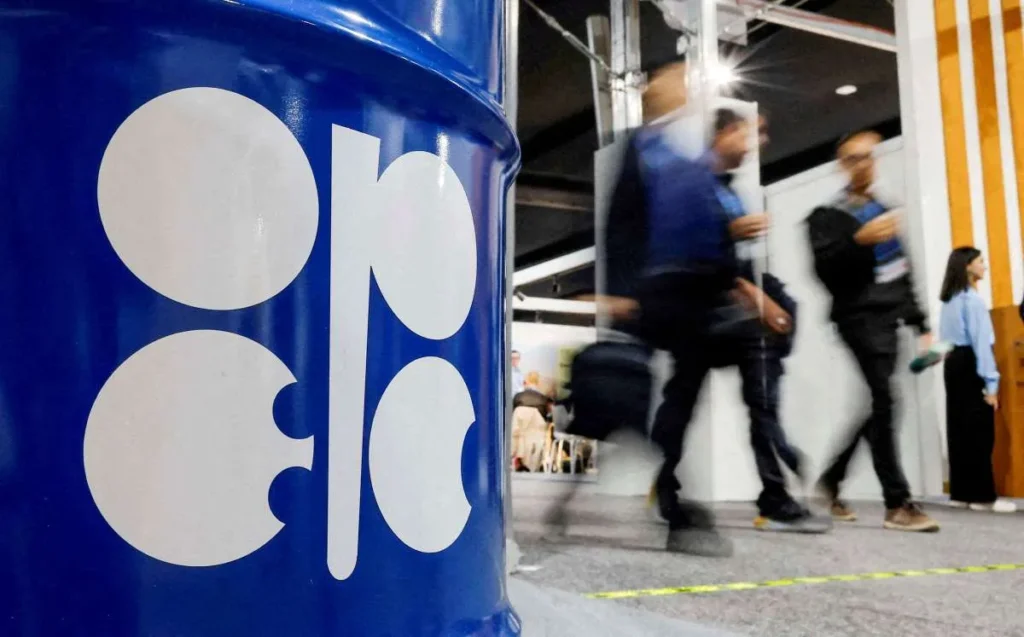
UNAIR NEWS – The decision by the United Arab Emirates (UAE) to leave the Organization of the Petroleum Exporting Countries (OPEC) has attracted global attention amid escalating geopolitical tensions in the Middle East. The move comes as ongoing regional conflicts and the closure of the Strait of Hormuz continue to disrupt the stability of global energy markets.
Fadhila Inas Pratiwi, a lecturer in International Relations at the Faculty of Social and Political Sciences (FISIP) Universitas Airlangga, said the UAE’s withdrawal from OPEC marks a significant policy shift closely tied to the country’s national interests. She explained that the UAE is seeking greater autonomy in shaping its energy policies without being constrained by the organization’s regulations.
UAE’s national interests
Pratiwi explained that OPEC was initially established as a cooperative platform for oil-producing nations to counterbalance the influence of Western countries in the global energy market. However, increasingly complex geopolitical conditions in the Middle East have led some member states to reassess the organization’s relevance and effectiveness.
She noted that regional conflict and political instability have made participation in international organizations less uniformly beneficial for member countries. “In the UAE’s case, domestic economic priorities and national energy strategies are viewed as more urgent than preserving organizational solidarity,” she said.

She added that the UAE’s departure could weaken OPEC’s internal cohesion. As one of the world’s leading oil producers, the UAE holds substantial production capacity capable of influencing global oil supply levels. Without OPEC production quotas, the country would gain greater flexibility to expand output based on its own national interests.
Pratiwi stated that the UAE currently produces around 4.85 million barrels of oil per day and aims to raise its production capacity to 5 million barrels per day by 2027. “The increase in output could place downward pressure on global oil prices over the medium term,” she explained.
Implications for Indonesia and global energy market
Pratiwi said the UAE’s withdrawal could contribute to greater long-term volatility in global oil prices. Increased production from the UAE may drive prices lower, although short-term effects are still likely to be moderated by the dominance of major producers such as Saudi Arabia and ongoing tensions around the Strait of Hormuz.
She explained that the situation could also affect net oil-importing countries such as Indonesia. Fluctuations in global energy prices may place pressure on national economic stability through higher energy import costs and rising inflation.
According to Pratiwi, the situation underscores the importance of strengthening Indonesia’s national energy resilience. “Indonesia needs to accelerate energy diversification and reduce its dependence on oil imports to safeguard long-term economic stability,” she concluded.
Author: Maia Chaerunnisa
Editor: Yulia Rohmawati