


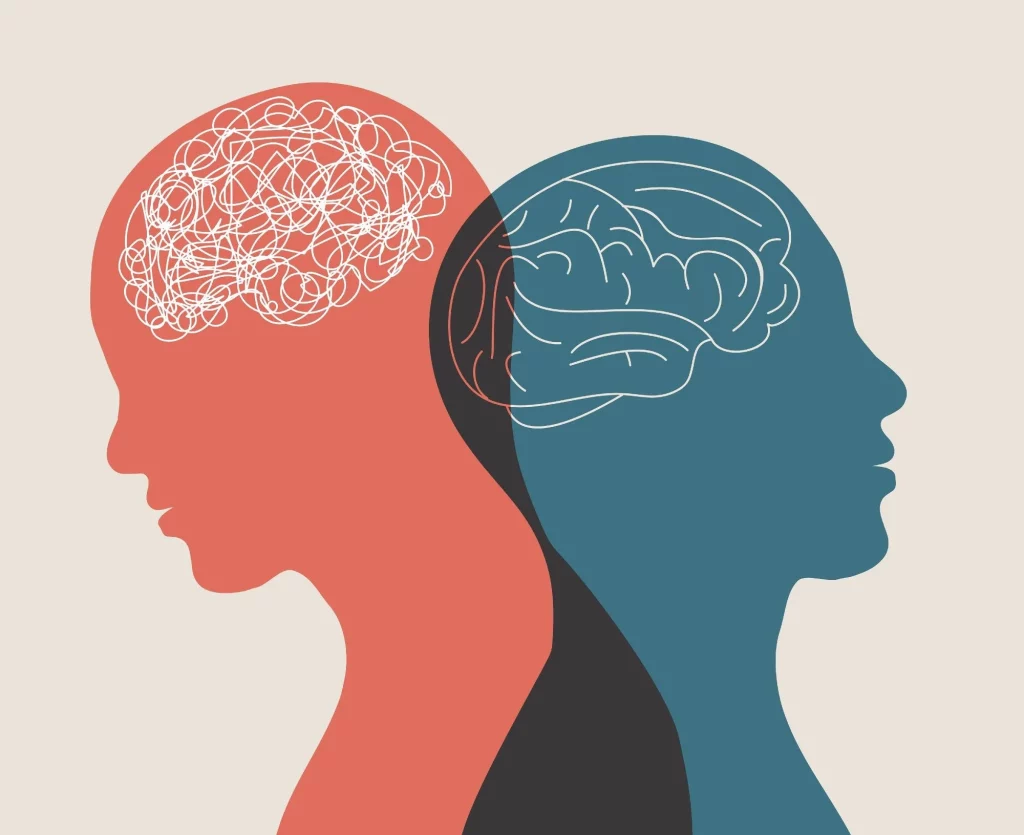
The COVID-19 pandemic has highlighted mental health concerns in communities across the globe (WHO,2020). Numerous reports reveal that many people are struggling with mental health, and some have resorted to drastic measures out of desperation (WHO, 2020). Therefore, it is no surprise that concerns about health and safety at the workplace have increased as the COVID-19 pandemic forced movement control, confining people to limited space. The lockdown resulted in isolation, and individuals were forced to be alone in their thoughts as they mulled over financial problems, questionable work performance, and the fear of losing their jobs.
A critical review of legislation related to mental healthcare in Malaysia
The framework of the right to health is strengthened by the global commitment made in the 2030 Agenda for Sustainable Development Goals (SDG), particularly SDG 3, which aims to ensure healthy lives and promote well-being for all people of all ages (The United Nations, 2021). While “mental health” does not have a legal definition, it refers to a spectrum that includes emotional well-being, mental health conditions, and mental illnesses (WHO, n.d). Mental health, like the physical health of individuals, can vary, and each person’s experience with mental health is unique to them (Ganeshwaran Kana, 2021). This section of the paper examines the regulatory mechanisms for mental health in the workplace.
Mental Health Act 2001 (MHA 2001) and Mental Health Regulations 2010 (Mental Health Regulations)
Malaysia’s primary mental health laws are the Mental Health Act 2001 (MHA 2001) and the Mental Health Regulations 2010 (Mental Health Regulations). The Mental Health Regulations also went into effect in 2010, much later than the MHA 2001. This law mainly concerns the lawful detention of a person who is not mentally capable of making a mature decision. The sole purpose of the MHA 2001 is to create a framework for the all-encompassing treatment of people with mental disorders. In addition, it calls for the construction of community mental health centres, private and public psychiatric hospitals, and nursing homes for the mentally ill (Kana et al., 2015). According to section 2 of the MHA 2001, a mental disorder is any mental illness, mental retardation or incomplete mental development, psychiatric disorder, or any other disorder or disability acquired. Accordingly, the criteria listed in this definition does not apply to “promiscuity or other immoral conduct, sexual deviancy, alcohol or drug consumption, expressing, refusing to express, or not expressing a particular political or religious opinion/belief, or antisocial personality” (Khan et al., 2015). However, problems related to occupational stress are not covered by the definition of mental disorder under section 2 of the MHA 2001. As a result, it cannot adequately protect those who have survived suicide attempts or are dealing with mental illness.
Persons with Disabilities Act 2008 (PWD Act 2008)
Individuals without the mental capacity to make informed choices may have legal recourse under the Persons with Disabilities Act 2008 (PWD Act 2008). This Act defines “persons with disabilities” as those with long-term physical, mental, intellectual, or sensory impairments that may hinder their full and effective social participation. This Act defines “reasonable accommodation” as necessary and appropriate modifications and adjustments, not imposing a disproportionate or undue burden, to ensure persons with disabilities the enjoyment or exercise of quality of life and well-being on an equal basis with persons without disabilities; “rehabilitation” refers to a process aimed at enabling persons with disabilities to attain and maintain their complete physical and mental health.
Occupational Safety and Health Act 1994 (OSHA 1994)
The most pertinent to mental health Malaysian law at work is OSHA 1994. The Act emphasises on the safety and health standards through self-regulation. Employers must abide by OSHA rules, codes of conduct, guidelines, and best practices. An employer could face a fine of up to RM50,000.00 and up to 2 years in prison if found guilty under OSHA 1994. OSHA 1994, however, only applies to particular industries. Employees must abide by OSHA 1994 and collaborate with employers to ensure a safe and healthy workplace. As a result, those who create and deal with risks are accountable for their effects on health and safety (Abdul Hamid et al., 2019).
Employment Act 1955 (EA 1955)
One of the most important employment laws in West Malaysia is the Employment Act of 1955 (EA 1955). Even though the Act silents about work-related stress, sections 12 and 13 mention workers’ mental health by saying that if an employment contract is ended with or without notice, the employer must pay the worker an indemnity equal to the number of wages the worker would have earned during the time of the notice or during the time of the notice that has not passed. These rules are in line with section 27 of OSHA 1994, which forbids discrimination in the workplace. Section 27(1) of OSHA 1994 says that an employer cannot fire, hurt, or change a worker’s job on the reason he complains about something he thinks is unsafe or poses a health risk. Therefore, it is not too much to say that mental health problems cannot be used as a reason to fire someone. Section 10 of the EA 1955 says that the employer has to explain how the service can be ended. Thus, the contract needs to state that the employer has the right to terminate the employee’s services if it turns out that the employee has a mental or physical illness that could affect how well the employee does their job.
Author : Faizal Kurniawan Idris, S. H., Zur, R., Nair, R., & Kurniawan, F. (2023). Mind Matters: Protecting The Mental Health and Workplace Wellbeing of Employees. International Journal of Academic Research in Business and Social Sciences, 13(1), 891 – 901. https://hrmars.com/index.php/IJARBSS/article/view/15017/Mind-Matters-Protecting-The-Mental-Health-and-Workplace-Wellbeing-of-Employees