
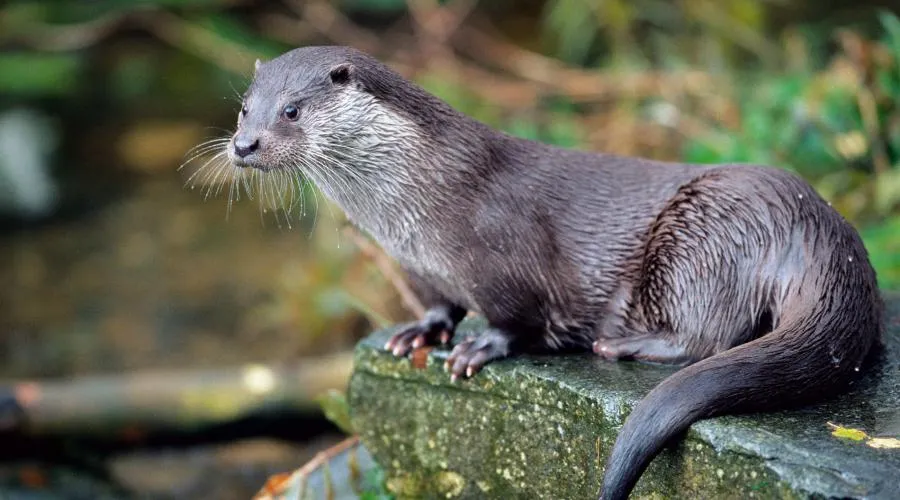
UNAIR NEWS – A recent otter bite incident has highlighted the dangers of keeping exotic animals as pets. It serves as a crucial reminder that despite their cute appearance, otters retain their natural wild instincts. Additionally, not all otter species can legally be kept as pets, as some are classified as protected wildlife.
Otters vs. beavers: key differences
Aditya Yudhana, drh, MSi, a wildlife expert from the Faculty of Health, Medicine, and Natural Sciences (FIKKIA) Universitas Airlangga (UNAIR), clarified that otters—commonly known as berang-berang in Indonesia—are semi-aquatic mammals typically found along riverbanks and in wetlands. From a taxonomic perspective, these animals belong to two distinct classifications.
The first group consists of otters from the order Carnivora, which primarily consume meat as their main source of nutrition. The second group includes beavers from the order Rodentia, herbivores that subsist on plant-based diets. However, beavers are not native to Indonesia. “Otters in Indonesia naturally inhabit the edges of water bodies, where they hunt fish, crustaceans, shrimp, and crabs,” Yudhana explained.
Declining populations and conservation status
Indonesia is home to four species of otters, with only one—the small-clawed otter (Aonyx cinereus)—not officially protected under Ministry of Environment and Forestry Regulation No. P.106 of 2018. However, this species’ population is rapidly declining due to unchecked exploitation, placing it on the International Union for Conservation of Nature (IUCN) Red List.

“The exotic pet trade in Indonesia does not rely solely on captive breeding. In most cases, sellers source these animals directly from the wild. It is critical to prevent irresponsible wildlife exploitation driven by hobbyist demand,” Yudhana stressed.
Wild instincts remain intact
Given this reality, otters captured as adults from the wild cannot be fully domesticated. Their natural instincts remain strong, often resulting in aggressive behaviors such as biting and scratching. Furthermore, the unregulated sale of otters without proper health screenings poses significant zoonotic risks, including rabies, bacterial infections, parasites, and fungal diseases.
“If an otter is taken from its natural habitat as an adult, it will never be completely tame. It is different from ex-situ breeding programs, where captive-born otters may develop reduced wild tendencies,” he noted.
Yudhana emphasized the importance of understanding an otter’s natural behaviors, which involve frequent exploration of their surroundings. Failure to accommodate their needs can cause significant stress, potentially endangering owners due to the zoonotic diseases that may arise if an otter becomes ill.
Furthermore, he pointed out that stress can increase an animal’s aggression. While he supports ex-situ conservation efforts to protect and boost otter populations—including non-protected species—he underscored the essential role of veterinarians in researching and assessing the health of otters, which are becoming increasingly popular as exotic pets. “Research on otters remains limited, making screening, identification, and surveillance a difficult yet vital field that requires more comprehensive data,” he concluded.
Author: Azhar Burhanuddin
Editor: Yulia Rohmawati