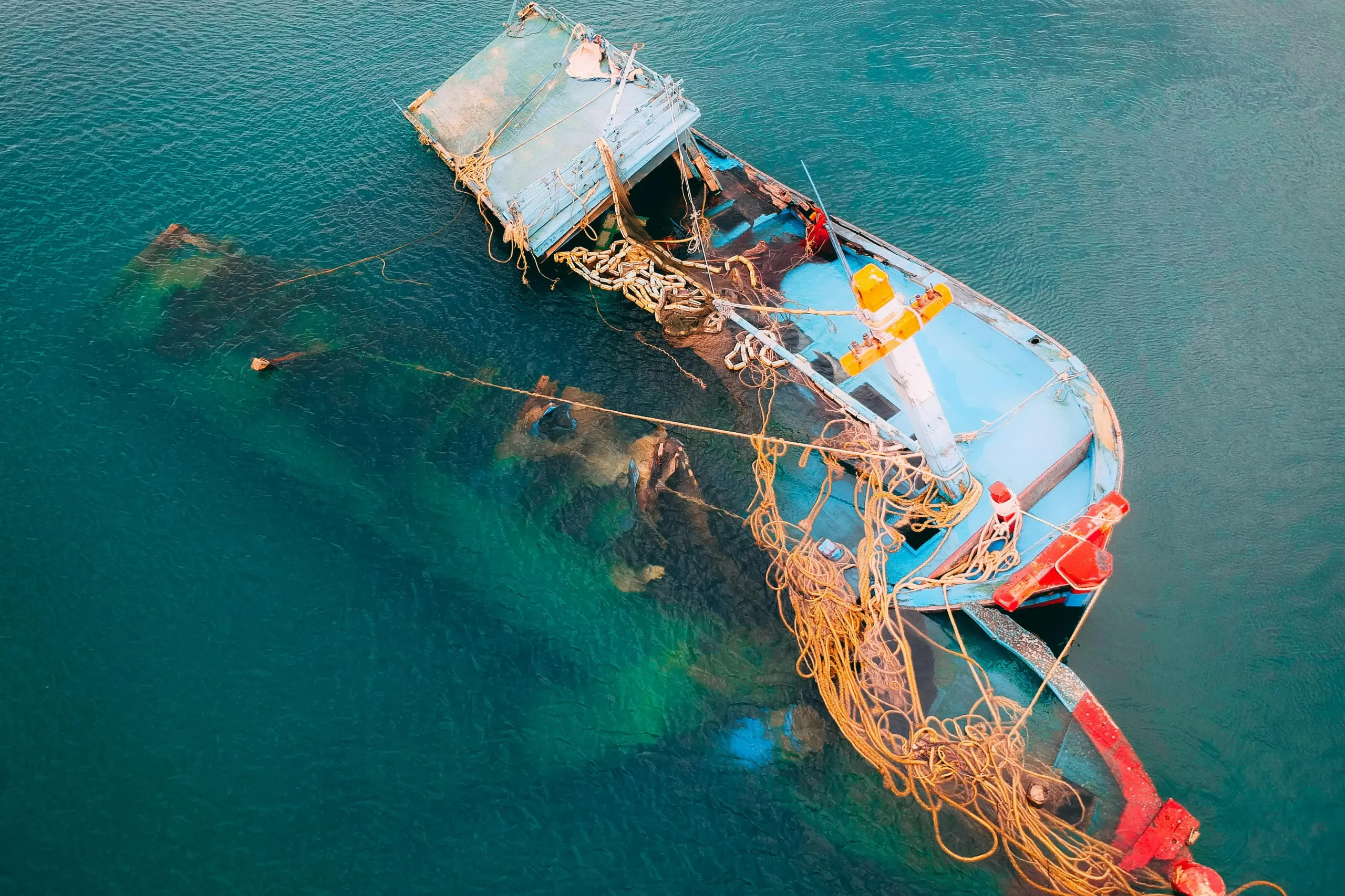
UNAIR NEWS – The recent sinking of a ferry in the Bali Strait is more than just a weather-related maritime incident. According to Universitas Airlangga Occupational Health And Safety (OHS) expert Neffrety Nilamsari, SKM, M.Kes, the disaster exposes deeper systemic flaws in Indonesia’s maritime safety protocols.
“While weather conditions are beyond human control, even with advanced tools, safety systems and predictive technologies should provide early warnings. This incident suggests that either the systems failed or warnings were disregarded,” she stated.

Failure to utilize existing technology
Weather radar, communication systems, and early warning tools are standard features on passenger ferries. However, these systems are often neglected or not fully tested before departure.
“There’s a chance the system failed to deliver accurate weather forecasts, which meant that essential safety measures for both passengers and crew were not implemented,” she said.
As a result, the safety of those on board is compromised. Emergency response efforts are further hampered when crew members lack proper evacuation training. This, she added, reflects insufficient training and a lack of operational discipline.
Vessel condition and overcapacity add to the risk
Nilamsari also raised concerns over the physical state of the vessel, which was reportedly unfit for sailing. “Corrosion on the ship’s hull or deck can make it vulnerable, especially if dragged by an anchor. Full inspections should be mandatory—not just a formality,” she warned.
In many cases, vessels are not examined by certified professionals. Routine safety checks—such as engine, radar, and wind monitoring—are often delegated to unqualified crew members. “A seemingly minor technical error can turn deadly when handled by someone without proper training,” she emphasized.
Overloading also compounds the danger. Many ships operate beyond their passenger capacity and lack sufficient life-saving equipment like life vests and lifeboats. “Passengers not listed on the manifest are especially at risk during emergencies. Evacuations become chaotic, and identifying victims becomes far more difficult,” she added.
Nilamsari urged the public to take safety seriously. “If the vessel is overcrowded, don’t board it. Reaching your destination a bit later is better than risking your life,” she said.
She concluded by calling for a full-scale audit of maritime safety procedures and strict adherence to operational standards by ferry operators. “We shouldn’t wait for another catastrophe. Safety protocols must be non-negotiable,” she stated firmly.
Author: Sintya Alfafa
Editor: Ragil Kukuh Imanto