UNAIR NEWS – Many areas in Indonesia still lack equal access to quality healthcare services. As part of their commitment to addressing this issue, the Student Executive Board (BEM) of Universitas Airlangga’s Faculty of Nursing (FKp) organized a Sustainable Development Goals (SDGs) Community Engagement Program. This initiative is part of a broader effort led by UNAIR’s SDGs Center to help tackle challenges in underdeveloped villages across Indonesia.
This year’s program was carried out in Pesanggrahan Village, located in the Kwanyar subdistrict of Bangkalan Regency, Madura, from Saturday, May 10, 2025, to Sunday, May 25, 2025. Muhammad Rizqi Hidayat, President of BEM FKp UNAIR, explained that the program addressed three specific SDG goals: Goal 3 – Good Health and Well-Being, Goal 14 – Life Below Water, and Goal 15 – Life on Land.
“We introduced the GEMILANG Pesanggrahan initiative as a holistic solution that directly responds to the needs and conditions of the local population. It aims to improve public health and enhance environmental quality,” said Hidayat.

Highlights from GEMILANG Pesanggrahan Program
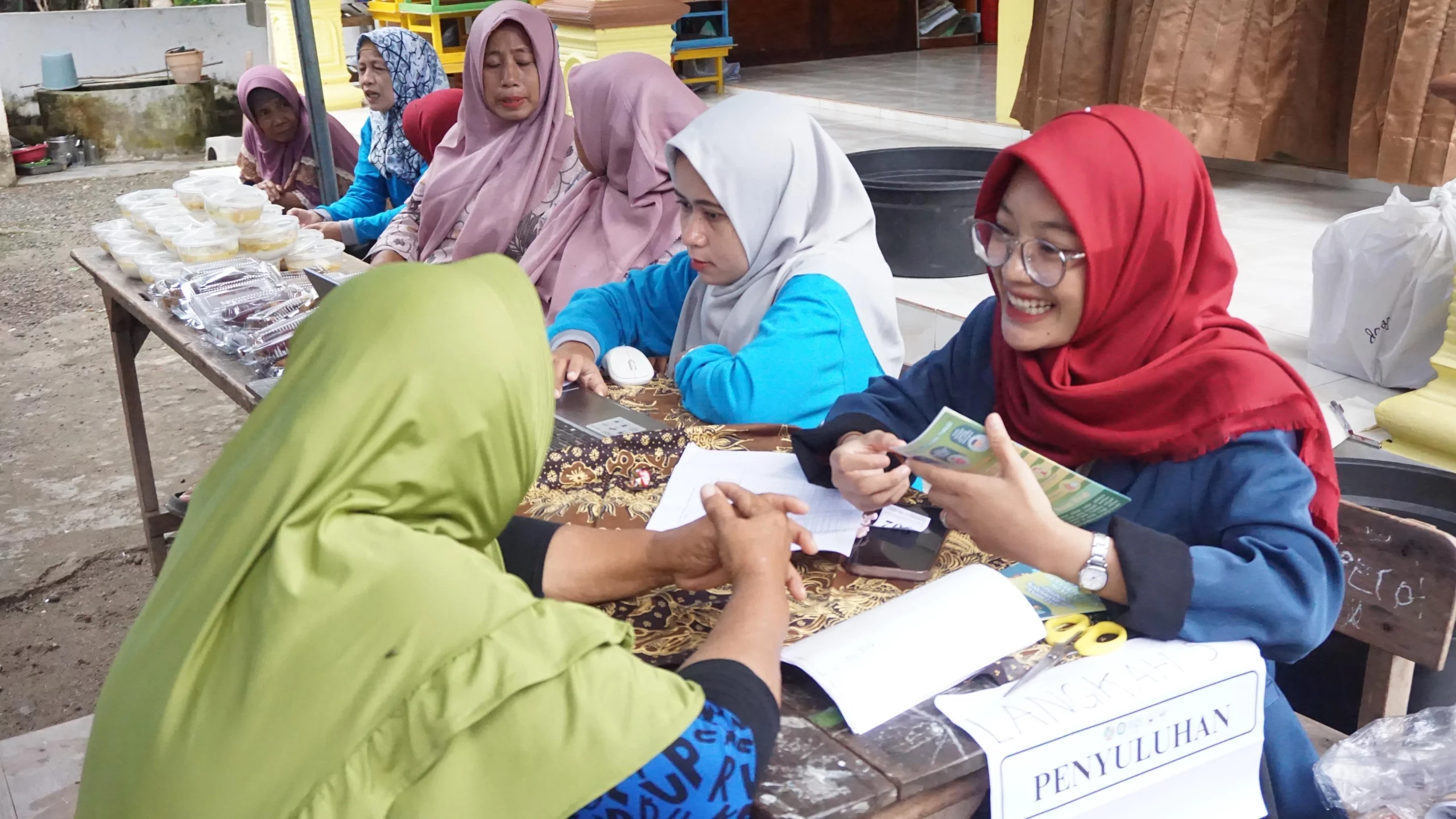
One of the flagship activities of the program was titled ‘Healthy Together with Pesanggrahan’ and ‘Empowered Generation’. This included medical screenings for cholesterol, uric acid, and blood sugar, targeting a wide demographic—from infants to the elderly.
“To support this effort, we partnered with the local Integrated Primary Service (ILP) Posyandu. This model combines essential healthcare services in a single location and represents an innovative approach to community healthcare delivery,” Hidayat said.
Additional program components included exercise sessions for seniors and fitness routines for individuals with diabetes. “These activities are designed to improve the quality of life for older adults by ensuring they receive both education and access to proper healthcare services,” Hidayat added.
Pushing for long-term impact
Hidayat acknowledged that the team encountered several challenges, particularly language barriers while communicating with residents. However, the program was still met with enthusiasm and support from the local community.
“The community’s response was extremely positive. In fact, attendance far exceeded our expectations,” he noted.
In closing, Hidayat expressed hope that this initiative would serve as a starting point toward creating a society that is healthier, better educated, environmentally aware, and more prosperous. He emphasized the importance of ensuring the continuity of such community-centered initiatives as a real contribution to achieving the SDGs.
“With sustained commitment and collaboration across sectors, these efforts can have a meaningful impact in advancing the goals of sustainable development,” he concluded.
Author: Selly Imeldha
Editor: Ragil Kukuh Imanto