


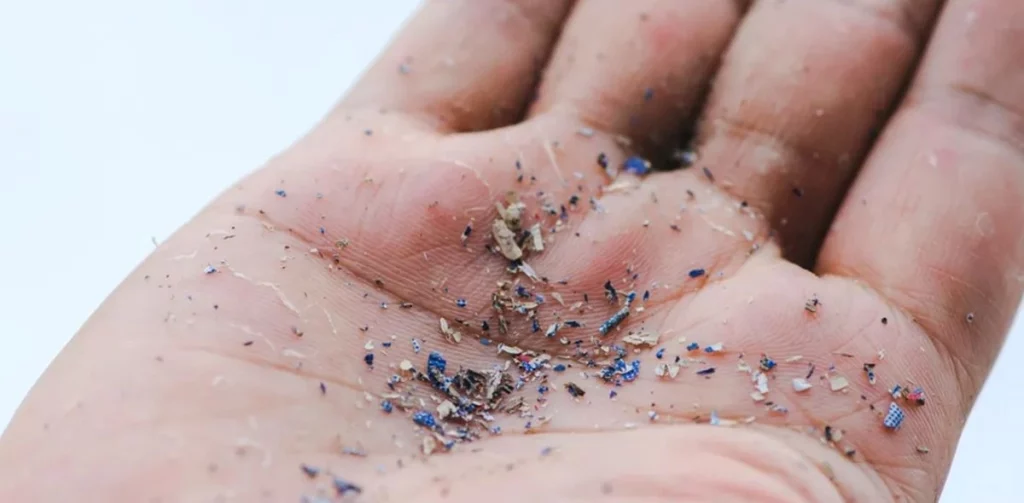
Plastics are synthetic materials based on polymers composed of repeating carbon chains, often bonded with other elements such as oxygen, nitrogen, chlorine, or sulfur. These organic polymers are characterized by their large and stable molecular structures, making them highly resistant to degradation processes. Plastics tend to persist for extended periods and accumulate in various environments, including aquatic ecosystems. Over time, plastics undergo physical, chemical, and biological degradation, forming smaller particles known as microplastics (MP) and nanoplastics (NP).
A significant portion of plastic waste originates from the use of single-use products. In addition, human activities related to the marine environment—particularly in aquaculture—contribute substantially to the burden of plastic pollution in the oceans. Aquaculture practices involve extensive use of plastic materials, such as nets, fishing lines, traps, and other fishing gear. When these materials are lost, abandoned, or improperly discarded, they become a major source of marine plastic waste. These plastics disperse throughout the water column, sediments, and even deep-sea environments and may enter the bodies of marine organisms through ingestion, thus triggering bioaccumulation and biomagnification throughout the aquatic food chain.
The diversity in the structure and size of micro- and nanoplastics (MNPs) depends on their source and physical-chemical characteristics. These properties enable MNPs to spread widely and persist in global ecosystems. The issue is further exacerbated by poor plastic waste management systems, high consumer demand, and increasing leakage of waste into water bodies. Additionally, climatic factors such as heavy rainfall and strong winds accelerate the distribution of MNPs into aquatic environments. As a result, aquatic organisms are exposed to MNPs, which may lead to physiological disruptions, including inhibited growth, oxidative stress, and nervous system damage.
MNP particles may enter aquatic organisms through three main routes: ingestion, inhalation, and direct contact with body surfaces or skin. Once inside the organism, these particles can accumulate in tissues and cells, primarily due to their minute size and reactive surface properties. Beyond their inherent physical and chemical toxicity, MNPs can also adsorb various environmental pollutants such as hydrophobic toxic compounds, further elevating the risk of poisoning. In coastal and marine waters, high concentrations of MNPs are often linked to ecological dysfunction and health issues in aquatic animals, especially fish. Chronic exposure to MNPs has been shown to suppress immune function, disrupt hormonal systems, and cause structural damage to fish reproductive organs.
Plastic particles can also enter fish through gill respiration. Ultrafine particles may adhere to gill lamellae, penetrate epithelial membranes, and ultimately enter the circulatory or lymphatic systems. This impairs nutrient absorption and hinders growth. Meanwhile, ingested plastics accumulate in the digestive tract—from the stomach to the intestines—causing irritation, reduced digestive efficiency, and feeding disturbances that may lead to malnutrition and weight loss. In severe cases, this condition can result in death.
Due to their extremely small size, nanoplastics can penetrate cell membranes and disseminate throughout various organs. Once inside cells, these particles compromise the integrity of plasma membranes. In the case of polystyrene, for example, the positively charged (cationic) surface interacts with negatively charged cell membranes, triggering the formation of Reactive Oxygen Species (ROS). These ROS can damage organelles such as endosomes and lysosomes, thereby exacerbating cellular and tissue damage. The production of ROS during plastic degradation, in combination with biological interactions, induces cellular stress and impairs organ function.
The toxicity of MNPs is evident in various biological responses, including oxidative stress, membrane damage, inhibited enzyme activity, immune system dysfunction, and cell death (apoptosis). Oxidative stress is a common response to pollutant exposure and is typically assessed through biochemical markers such as malondialdehyde (MDA). The body’s defense against ROS involves the activation of antioxidant enzymes. Moreover, the immune system also responds to MNP-induced stress by altering cytokine expression, which can serve as a biological indicator of toxicity levels. The activation of apoptotic enzymes further confirms cellular damage caused by nanoplastic exposure.
To date, studies integrating physiological and molecular approaches to assess MNP toxicity in wild fish, especially in Indonesian waters, remain scarce. Therefore, this information plays a crucial role in filling knowledge gaps and providing essential baseline data to understand the biological consequences of MNP exposure in natural aquatic environments.
Author: Alfiah Hayati
Details of the research can be accessed on our paper at : Journal of Animal Health and Production
Micro-Nanoplastics Pollution and Its Oxidative Stress-Induced Effects on Fish Physiology in Coastal Waters of Surabaya
Alfiah Hayati, Manikya Pramudya, Aunurohim, Abdus Salam Junaedi, Farah Annisa Nurbani, Widi Pangestu Wilujeng, Muhammad Iqbal, Firli Rahmah Primula Dewi, Vuanghao Lim