

UNAIR NEWS – Strong enthusiasm marked the community engagement efforts held in Kebonsari Village as part of the Innovative Technology Transformation Program (PTTI). The program, conducted on Monday (17/11/2025) and headed by Dr. Emy Koestanti Sabdoningrum, drh., M.Kes., aims to deliver innovative solutions that enhance livestock productivity through collaboration between local duck farmers and experts from Universitas Airlangga’s Faculty of Veterinary Medicine (FKH).
This initiative focuses on applying feed fermentation technology and nano-meniran extract in pellet rations to improve both productivity and the overall health of Mojosari laying ducks. The innovation is expected to strengthen farmers’ independence and elevate their competitiveness in the market.
Kebonsari Village Head, Chusaini, expressed appreciation for the program, noting that it supports local economic empowerment and strengthens village-level food security. He also pointed to declining market demand, which has affected the income of local farming groups. “We hope this program brings tangible benefits, especially through innovations that can increase production,” he said.
Conditions in Kebonsari Village
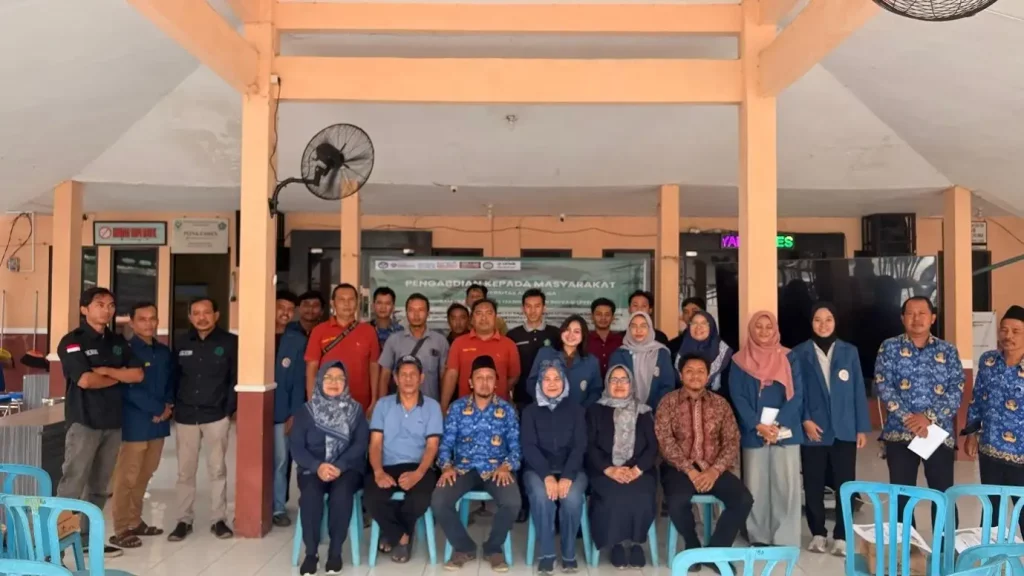
Kebonsari Village is recognized as a hub for laying duck farming, with most residents working in the sector. The Sumber Pangan Duck Farmer Group and BUMDes Trampil Sejahtera serve as the program’s key partners, supported by teams from UNAIR’s FKH and Faculty of Economics and Business (FEB). Thirty farmers, each raising between 500 and 5,000 ducks, took part in the mentoring activities.
Local farmers currently face a number of challenges, including a Hen Day Production (HDP) rate of just 72%, a Feed Conversion Ratio (FCR) of 3.2, and a livestock mortality rate of 1.2% per month. High costs of commercial feed and traditional egg-marketing systems have further narrowed profit margins.
Meanwhile, Prof. Dr. Ir. Sri Hidanah, M.S., who served as a speaker during the event, explained the advantages of fermentation technology using local materials such as shrimp heads, mussel shells, and food waste to increase protein and omega-3 content. “With the addition of nano-meniran extract, the ducks have been shown to grow healthier and more productive,” she said. The innovation is expected to be adopted widely among duck farmers in Kebonsari’s farming community.
Sustainable technology transformation
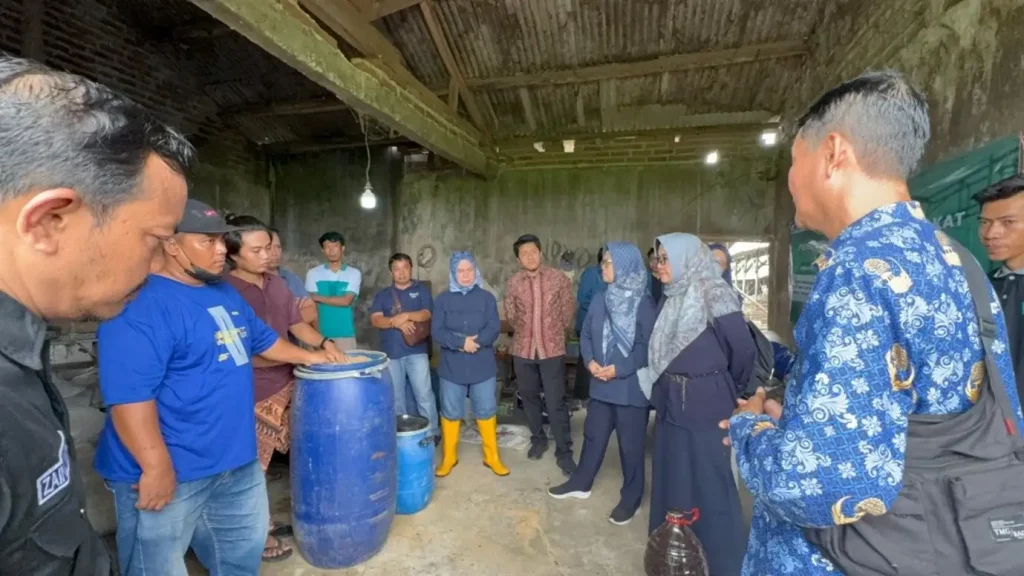
Dr. Emy Koestanti emphasized the need for sustained commitment from farmers to ensure long-term adoption of the technology. The FKH team introduced a pellet machine with a capacity of 200–500 kg, trained farmers to produce fermented feed enriched with nano-meniran, and provided guidance on probiotic use. Hands-on training took place at the farm of Mr. Syahroni, where participants actively engaged and asked questions.
The program involves farmer groups, BUMDes, four lecturers, and students from both the Bachelor of Veterinary Medicine and Master of Veterinary Agribusiness programs. The initiative introduces a feed formula made from fermented rice bran and corn enriched with nano-meniran extract as a natural immunomodulator. According to patent IDP000083809, the technology has been proven to improve animal health, reduce mortality, and increase egg production. The program aims to raise HDP to 78–80%, reduce FCR to 2.9, and cut egg breakage rates to below 5%.
To support feed self-sufficiency, farmers were also equipped with a pellet machine with a capacity of 500 kg per hour, replacing the previous manual processing system. Training in production management and quality control was provided to increase business capacity and add value to the fermented feed products.
The mentoring process is carried out in stages, from outreach and training to technology implementation and monitoring and evaluation. Through these innovations, farmers are expected to become independent feed producers, significantly improve productivity, and further solidify Kebonsari Village’s status as a major center for laying duck farming in Sidoarjo Regency.
Author: Emy Koestanti Sabdoningrum
Editor: Yulia Rohmawati