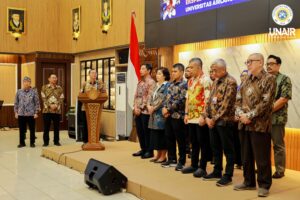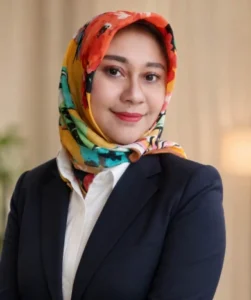


“This activity is more than just a basic academic visit; it is a strategic initiative to introduce our national identity, we provide a learning experience ranging from delve deeper into the Nusantara linguistics to the art of traditional wellness, which is a hallmark of our local wisdom” said the Dean of the Faculty of Vocational Studies, Prof. Dian Yulie Reindrawati, S.Sos., M.M., PhD., in the opening remarks.
Introduction to Indonesian language for health terms
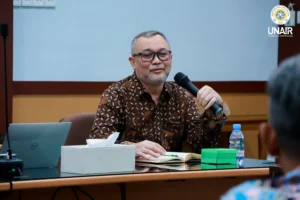
As an initial step, Angkita Wasito Kirana S.Hum., M.Hum., a lecturer in the English Study Program, provided participants with a deeper understanding of the Indonesian language in a health context. This session was delivered through a presentation titled “Cultural Context of Indonesian Traditional Remedies,” which was designed to offer comprehensive insights into the close relationship between local cultural values and traditional health practices in Indonesia.
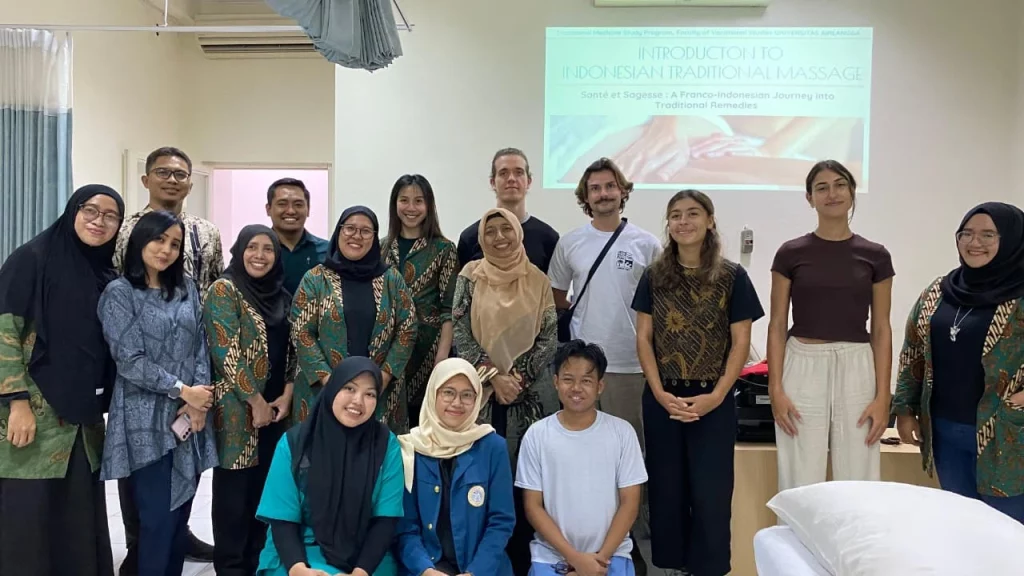
As an initial step, Angkita Wasito Kirana S.Hum., M.Hum., a lecturer in the English Study Program, provided participants with a deeper understanding of the Indonesian language in a health context. This session was delivered through a presentation titled “Cultural Context of Indonesian Traditional Remedies,” which was designed to offer comprehensive insights into the close relationship between local cultural values and traditional health practices in Indonesia.
Traditional Wellness Exploration: Jamu, Massage, and Lulur Crafting
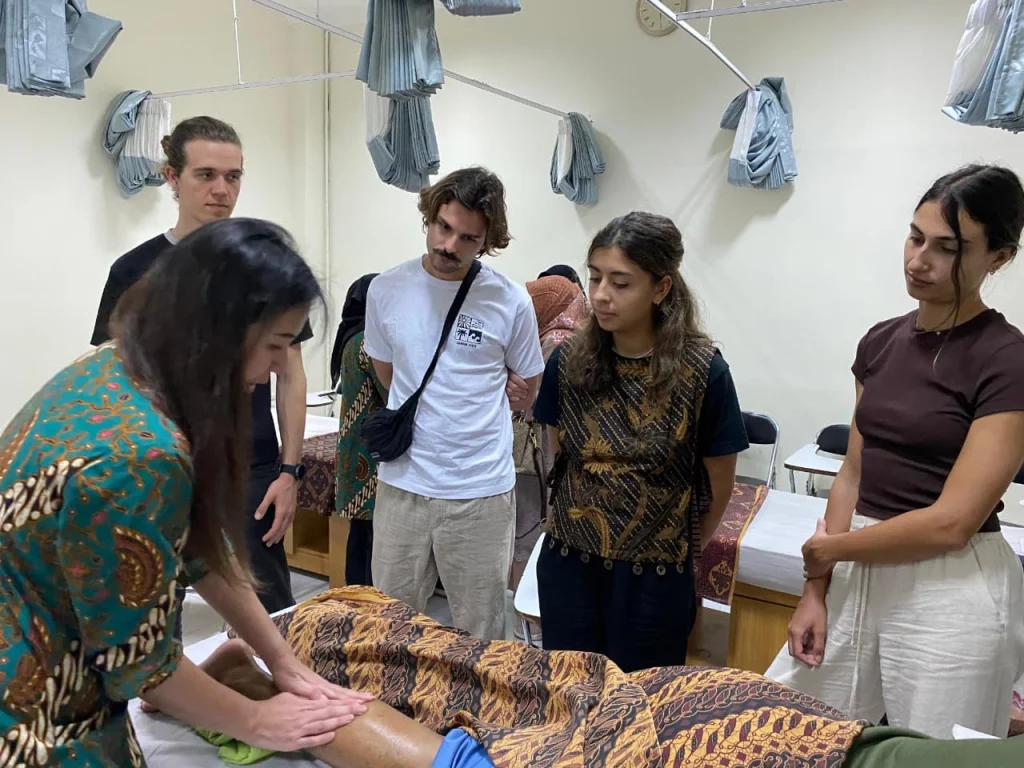
Following the theoretical sessions, the program offered a hands-on look at Indonesian wellness through a traditional massage workshop. Led by experts Myrna Adianti S.Si., M.Kes., PhD., Dwi Setiani Sumardiko S.Kep., Ns., M.Si, and Edith Frederika Puruhito S.KM., Msc., the demonstration showcased techniques designed for deep relaxation. This session provided the inbound students with a fresh perspective on the Indonesian health system, highlighting its profound focus on both artistry and comfort.
The journey into traditional health continued with a deep dive into holistic body care. After the massage session, the expert team explained the benefits of lulur (herbal body scrub) and demonstrated how to prepare it. The students were shown how natural ingredients sourced from the Indonesian land are transformed into effective tools for beauty and wellness.
To round out the authentic experience, participants were served traditional herbal drinks: kunyit asam (turmeric acid) and beras kencur (rice ginger). Rather than just tasting the drinks, the students learned about the specific composition and the philosophy behind every ingredient used, providing a complete sensory and intellectual experience.
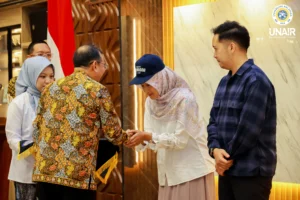
The program concluded with an interactive discussion and a certificate ceremony as an appreciation for the enthusiasm shown by the students from Université de Limoges. By integrating linguistic theory with wellness practices, this inbound program is expected to catalyze broader international collaborations, further solidifying Universitas Airlangga’s position as a leading institution in preserving local heritage amidst the currents of global modernization.
Author: Fasya Ineta Putri
Editor: Yulia Rohmawati