

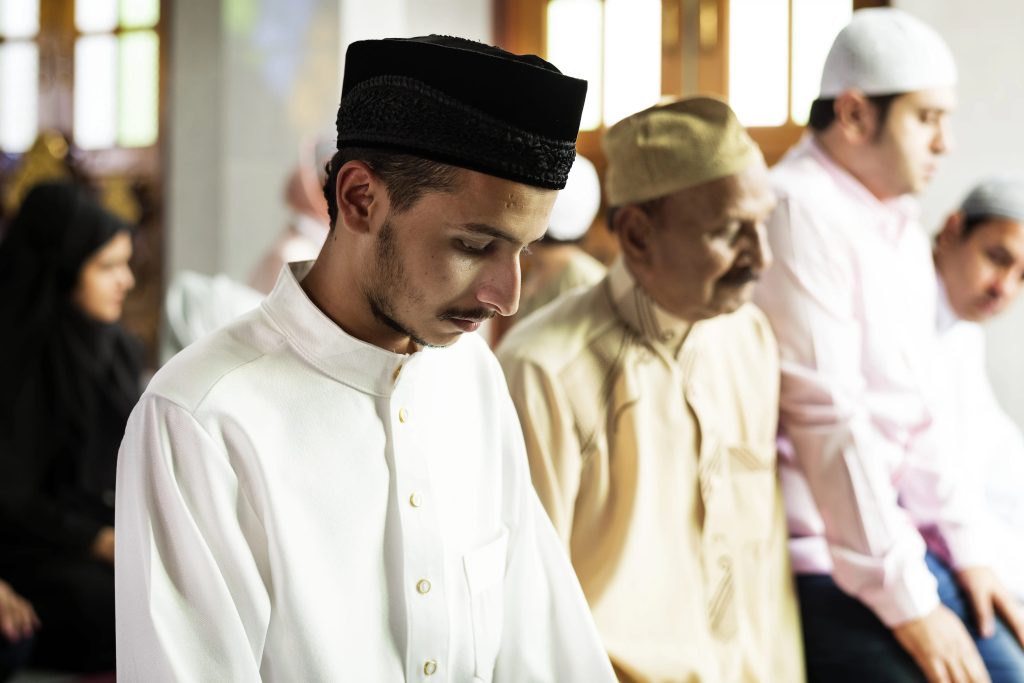
UNAIR NEWS – Ramadan brings a surge in religious activities alongside a notable rise in economic activity within Muslim communities. Contributions such as zakat, infaq, sadaqah, and household spending increase significantly during the holy month. This annual momentum places mosques in a strategic position, not only as centers of worship, but also as catalysts for community-based economic growth.
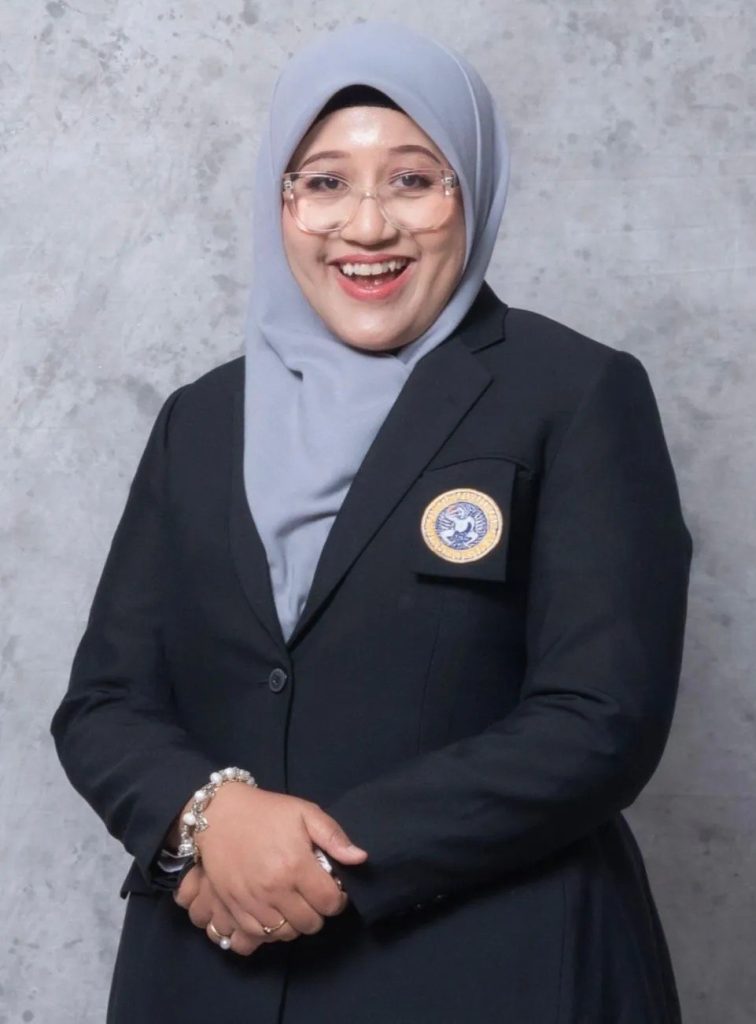
A professor of Faculty of Economics and Business (FEB) Universitas Airlangga (UNAIR), Prof. Dr. Tika Widiastuti, SE, MSi, said Ramadan presents a pivotal opportunity to reshape the role of mosques into more productive and sustainable institutions. She noted that heightened religious engagement during the holy month should be matched by stronger literacy and governance in Islamic economics at the congregational level.
“Ramadan amplifies charitable acts across sectors. Community activity, particularly in mosques, also intensifies. Since the time of the Prophet Muhammad, mosques have functioned not only as places of worship but as hubs of governance and socio-economic life. That spirit needs to be revived,” she said.
Transforming roles and strengthening Islamic economic literacy
Prof. Widiastuti explained that rising consumption during Ramadan is a natural occurrence. However, without sufficient understanding, it can lead to consumerist behavior that runs counter to Islamic principles. She said mosques have the potential to serve as centers for economic literacy and to foster collective awareness among congregants.
She added that mosques should provide accessible education on financial management, ethical consumption, and the productive use of zakat and charitable donations. Engaging younger generations, particularly Gen Z and millennials, is also crucial to keeping mosques relevant in a rapidly changing social landscape.
“Mosques can become centers for both religious and Islamic economic literacy. They should not only facilitate obligatory and voluntary worship but also encourage awareness of how economic behavior and consumption can align with sharia values,” she said.
According to Prof. Widiastuti, such transformation does not require sweeping programs at the outset. A shift in perspective, paired with consistent and targeted empowerment initiatives, can lay the groundwork for strengthening the mosque’s role in a sustainable way.
Managing ZIS and upholding public benefit
On the management of zakat, infaq, and sadaqah (ZIS), Prof. Widiastuti emphasized the need for professional oversight. She noted that not all mosques have sufficient managerial capacity. For that reason, partnering with officially licensed amil institutions is a strategic step to reduce risk and ensure funds are distributed effectively and appropriately.
“Mosques can serve as collection points, but their management should ideally involve collaboration with licensed ZISWAF institutions. This helps ensure that community funds are allocated fairly and generate meaningful public benefit,” she said.
She also emphasized that Ramadan funds should not be limited to short-term assistance or ceremonial activities. The principles of justice and public welfare, she said, should be reflected in programs that bridge wealth gaps between more affluent and less privileged congregants, including efforts to strengthen local microenterprises.
In closing, Prof. Widiastuti expressed hope that Ramadan’s momentum could be used to deepen collaboration between mosques, youth organizations, and community leaders. Through religious discussions, soft skills training, and economic empowerment initiatives, she said, Ramadan can move beyond an annual celebration and become a foundation for long-term economic resilience within the Muslim community.
Author: Era Fazira
Editor: Ragil Kukuh Imanto