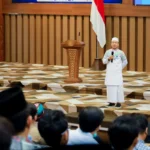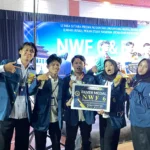
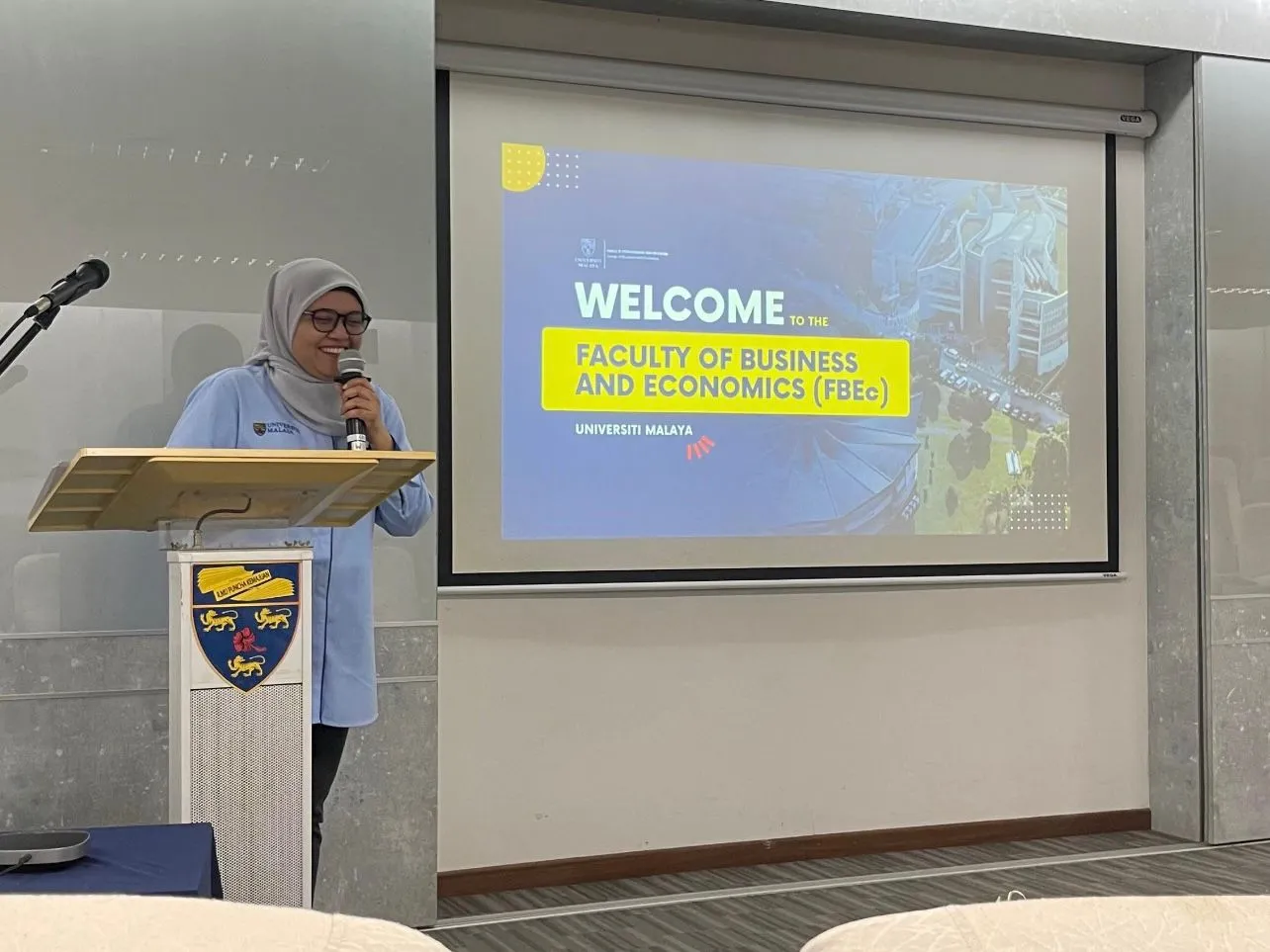
UNAIR NEWS – The Digital Office Management (MPD) program of the Faculty of Vocational Studies Universitas Airlangga (UNAIR) held an International Study Outbounding program from August 9 to 11, 2025, involving 10 MPD students. The series of academic and cultural exchange activities took place at Universiti Malaya and Universiti Putra Malaysia, both internationally recognized institutions.
Development strategies
During academic forums and discussions, several key priorities emerged for advancing higher education. These included building an adaptive academic culture to adapt global developments, as well as adopting learning strategies that emphasize collaboration and the integration of technology.
“One of the most striking aspects is the use of English as the primary language in all academic activities. This reflects a strong commitment to internationalization and helps create a competitive academic environment prepared for global engagement,” Faisol noted.

In addition, innovative learning strategies were highlighted as a key factor. A collaborative approach was particularly evident in the development of business plans related to corporate operations, environmental management, and office governance.
The study outbound forum also emphasized that while collaboration in business planning and governance is essential, traditional promotional methods remain relevant alongside digital methods. “This approach is intended to equip students with a comprehensive understanding, not only of digital tools but also of face-to-face strategies that remain important for future practice,” he added.
Relevance and implementation
The outcomes of the study outbound program underscored the importance of aligning higher education curricula with global demands. “There are three main recommendations to optimize student potential: normalizing the use of English, implementing collaborative learning, and strengthening international-oriented education,” Faisol explained.
First, a strategic priority is to normalize the use of English across academic activities. This goes beyond simply adding language courses by positioning English as the primary medium for discussions, presentations, and academic writing.
“This step is designed to help students communicate professionally in English. With consistent practice, they will be better prepared to navigate global dynamics and international collaboration,” Faisol said.
Second, the adoption of collaborative learning strategies is essential. This approach encourages teamwork not only within the classroom but also through real-world projects involving industry partners. It enables students to work across disciplines, break down academic silos, and produce more comprehensive and practical solutions.
“Such collaboration helps develop critical soft skills, including communication, negotiation, and problem-solving,” Faisol added. Through these experiences, students learn to articulate ideas, consider diverse perspectives, and work collectively toward shared objectives.
Finally, an international-oriented education approach is emphasized. This approach aims to prepare students to become intellectual contributors on a global stage. The curriculum is designed to include initiatives such as student exchanges, collaborative research, and participation in international forums.
The implementation of these strategies is expected to support universities in building a more dynamic educational ecosystem. By focusing on these three pillars, institutions can produce graduates who not only possess strong technical expertise but also demonstrate a global mindset and high adaptability.
Author: Arifatun Nazilah
Editor: Yulia Rohmawati