

UNAIR NEWS – Universitas Airlangga
(UNAIR) Institute for Journal Development,
Publication, and Intellectual Property Rights
(LPJPHKI) continues to strengthen the
university presence in international
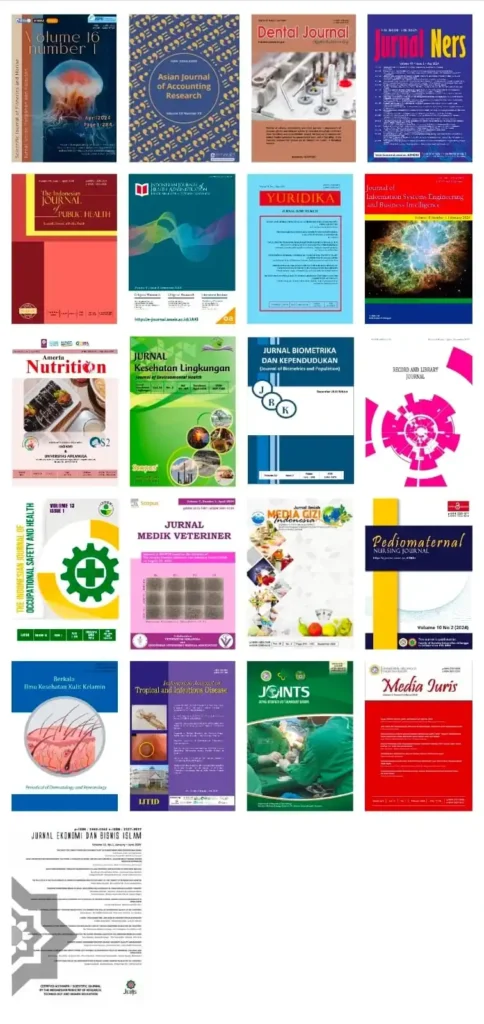
academic publishing. As of 2026, 21 UNAIR
journals have been indexed in Scopus,
reflecting LPJPHKI ongoing efforts to build
a high-quality and ethical publication
ecosystem.
Head of LPJPHKI UNAIR, Prof Ferry Efendi
SKep Ns MSc PhD, said the achievement
reflects the commitment and support of the
entire academic community to journal
development. “UNAIR has built a strong
publication ecosystem. It is not simply about
the number of journals, but also about their
quality and integrity,” he said.
Publishing for impact
Prof Efendi explained that research should not end as a draft stored on a laptop. Research needs to reach wider audiences and drive meaningful change across various fields. Its impact can take the form of improvements in governance, product development, or influence on public policy.

He described this as policy impact, which
occurs when research findings influence the
development or implementation of policies.
There is also knowledge impact, in which
research contributes to the advancement of
theories and academic knowledge. In this
way, publications serve as a bridge
connecting academic knowledge with the
needs of society.
“Publications serve as the main gateway. They can be a channel for influencing policy. The question is how our publications, or the things we write, can be read, heard, and ultimately influence policy,” he explained.
According to Prof Efendi, the way people
access knowledge continues to change
alongside technological developments. While
television, radio, and newspapers were once
the main sources of information, social media
and various digital platforms now provide new
opportunities for researchers to disseminate
their findings.
“Therefore, publications need to be shared through various channels so that knowledge can reach a wider audience,” he said.
Quality research, reputable journals
UNAIR’s achievement in having 21 journals indexed in Scopus is supported by the university’s continued efforts to build a strong publication ecosystem. Prof Efendi added that each journal has its own characteristics and covers a wide range of academic fields, from social sciences and humanities, health, science and technology, to economics and business.
According to Prof Efendi, this diversity of academic fields is one of UNAIR journals’ strengths. Journal managers are also expected to encourage original and distinctive research rather than simply repeating previous studies. In addition to academic diversity, UNAIR journals follow the principles of the Committee on Publication Ethics (COPE) to uphold research and publication ethics.
Prof. Ferry emphasized that Scopus indexing is not the end goal. After achieving this recognition, UNAIR must maintain the integrity of each journal. “Scopus is a starting point, not the finish line. The next challenge is to ensure that quality is maintained, visibility continues to increase, governance remains sustainable, and integrity is consistently upheld,” he concluded.
Author: Maia Chaerunnisa
Editor: Yulia Rohmawati