

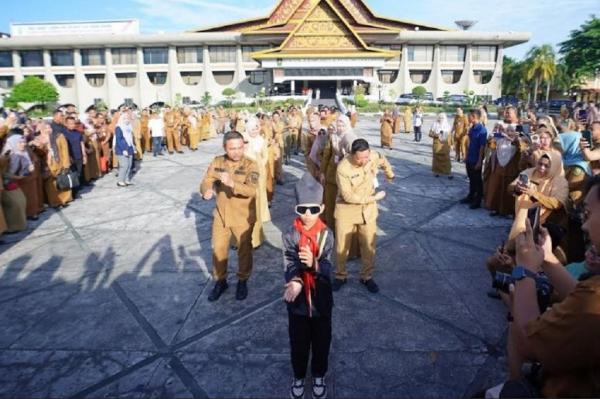
UNAIR NEWS – The recent appointment of Rayyan Arkan Dhika, a young traditional dancer from Riau, as the province’s Tourism Ambassador has sparked mixed reactions. Responding to the public discourse, Prof. Dr. Bambang Suharto, S.ST., M.M.Par, a professor of Tourism and Hospitality at Universitas Airlangga (UNAIR), emphasized on Tuesday (July 15, 2025) that such roles should be granted through an objective process—not driven solely by fleeting popularity.
“Traditions like Pacu Jalur are extraordinary and offer a valuable opportunity to showcase local heritage across Indonesia. But what we truly need is not just virality—we need a thoughtful process involving proper training, cultural understanding, and strong communication skills,” said Prof. Suharto.
While he acknowledged that online popularity can serve as an entry point, Prof. Suharto warned it should not be the sole criterion for selecting a tourism ambassador. He stressed that ambassadors must do more than appear in public—they must actively promote and elevate local tourism offerings.
More than instant recognition—long-term strategy
Prof. Suharto highlighted the importance of building a structured and sustainable development system for tourism ambassadors. “I encourage local governments to go beyond just supporting Dhika. They should work to establish a broader ecosystem that fosters themed ambassadors in areas such as arts, culture, culinary traditions, and sports tourism,” he explained.
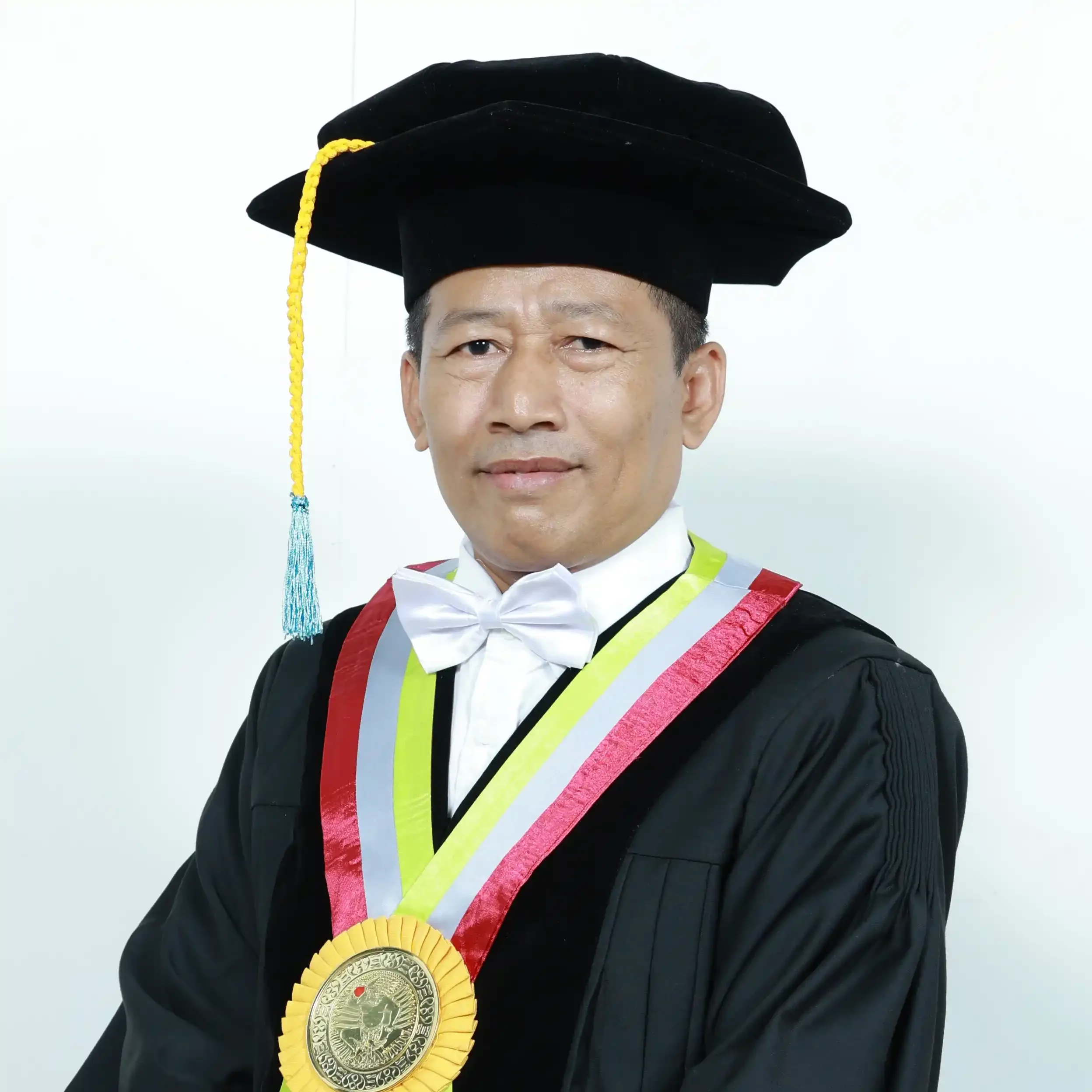
He also called for a transparent and accountable selection process, supported by expert-led training sessions. “Ambassadors need proper preparation. Back when I served as a judge for the Miss Tourism Indonesia pageant, candidates received training from experts like Rhenald Kasali. That kind of foundational knowledge is critical for effective regional promotion,” he added.
On the matter of age, Prof. Suharto proposed age-based categories within the ambassador program. “It’s perfectly fine to have young ambassadors—as long as their roles are clearly defined. For example, they can promote family tourism or children’s attractions. But even so, there needs to be a structured process to ensure they’re not just momentary internet sensations,” he stressed.
Cultural advocates, not just public faces
Through this framework, Prof. Suharto hopes to see more young cultural advocates like Dhika emerge from across Indonesia. “If this is handled seriously, I believe the world will be in awe of our cultural diversity—not just Pacu Jalur, but the richness from Papua to Aceh to Labuan Bajo. Indonesia can go viral based on its authentic identity,” he said.
He also pointed out the importance of substantive preparation for ambassadors, enabling them to thoughtfully represent and promote their regions. “An ambassador shouldn’t merely act on behalf of the person who appointed them. They are representatives of their communities, not individuals,” he affirmed.
In conclusion, Prof. Suharto stressed that impactful ambassadors must have a clear market position. They should be capable of crafting compelling cultural narratives and understand their strategic role in the broader tourism ecosystem—locally and nationally.
Author: Samudra Luhur
Editor: Yulia Rohmawati