



UNAIR NEWS – Indonesia has been jolted by another tragic case involving a 10-year-old boy, identified as YBR, a fourth-grade elementary school student from Ngada Regency, East Nusa Tenggara (NTT). On Thursday (January 29, 2026), YBR was found dead. Authorities suspect the child died by suicide after hanging himself from a clove tree in his grandmother’s garden.
The devastating discovery was made by a witness, identified as KD, who was tending livestock near a small garden hut at the time. As KD approached the area, he was shocked to find YBR hanging from the clove tree. The incident occurred at around 11:00 a.m. Central Indonesia Time (WITA) in Hamlet IV, Nenowea Village, Jerebuu Sub-district, Ngada Regency.
The tragedy left the victim’s family and local residents in deep shock, struggling to comprehend the loss. The case has drawn broader public attention, including from social observers who stress the need to better understand the pressures and circumstances that shape children’s mental health, particularly in challenging social environments.
Importance of monitoring children’s psychological well-being
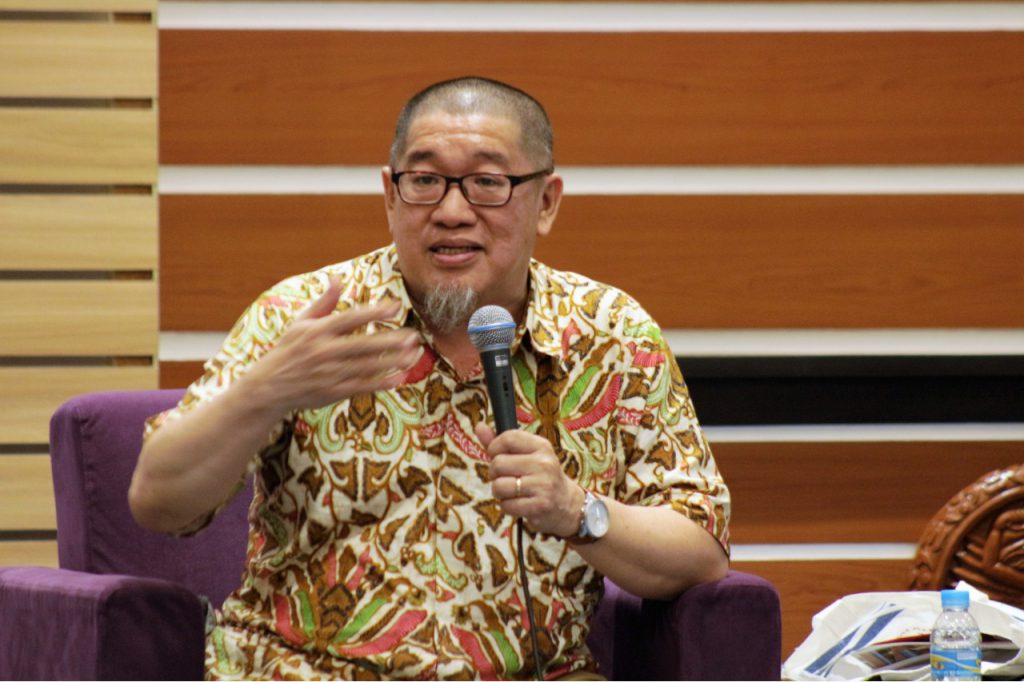
Prof. Dr. Bagong Suyanto, Drs., M.Si., a professor in the Department of Sociology at the Faculty of Social and Political Sciences (FISIP), Universitas Airlangga (UNAIR), said the incident should serve as a serious warning to the public about the importance of closely monitoring children’s mental health within their surroundings.
“Children who grow up in remote areas often receive limited attention to their psychological well-being, especially in rural settings. The lack of access to mental health services can make them feel isolated and unsupported,” he said.
He added that families and communities play a critical role in recognizing early signs of emotional or psychological distress in children. “Children’s mental health must be treated as a priority. Strong social support from families, peers, and the surrounding community is essential to prevent similar tragedies,” he emphasized.
Those who knew YBR described him as a quiet and obedient child. Since the age of about one year and seven months, he had been living with his grandmother in a small bamboo hut measuring approximately 2 by 3 meters in Naruwolo Village, Ngada Regency, after no longer residing with his biological mother. YBR was the youngest of five siblings. His father had migrated to Kalimantan more than a decade ago and has never returned.
Against this backdrop, Prof. Suyanto pointed to poverty-related pressures as a major factor influencing children’s psychological well-being. “Economic hardship can trigger stress and anxiety in children, which ultimately undermines their mental health. When parents struggle to meet basic needs, children inevitably feel the impact, both directly and indirectly,” he said.
Looking ahead
Prof. Suyanto called on the government to develop a community-based support system through local social institutions capable of providing psychological and emotional assistance to children in remote regions. “Local social organizations need to play a more active role in addressing children’s mental health by building support networks that reach every family, especially those in areas with limited access to education and social services,” he said.
Author: Saffana Raisa Rahmania
Editor : Ragil Kukuh Imanto