

UNAIR NEWS – Universitas Airlangga (UNAIR), through its 2025 Airlangga Community Development Hub (ACDH), has carried out a community engagement program in Bintan Regency, Riau Islands. This year’s ACDH effort brought together several faculties, including the Faculty of Advanced Technology and Multidiscipline (FTMM), which partnered with Raja Ali Haji Maritime University (UMRAH) Tanjungpinang to build a solar-powered charging station in Pengudang Village, Teluk Sebong Subdistrict.
The project aims to support the village’s mangrove tourism area. With the new facility, visitors can conveniently recharge mobile phones and other small electronic devices. The charging station operates with two 100 Wp solar panels connected to two 12V–24 Ah batteries. Electricity can be accessed through AC outlets and USB ports, and its portable design allows for easy relocation. Bintan, situated along Indonesia’s border with Singapore, was selected for its strategic location.
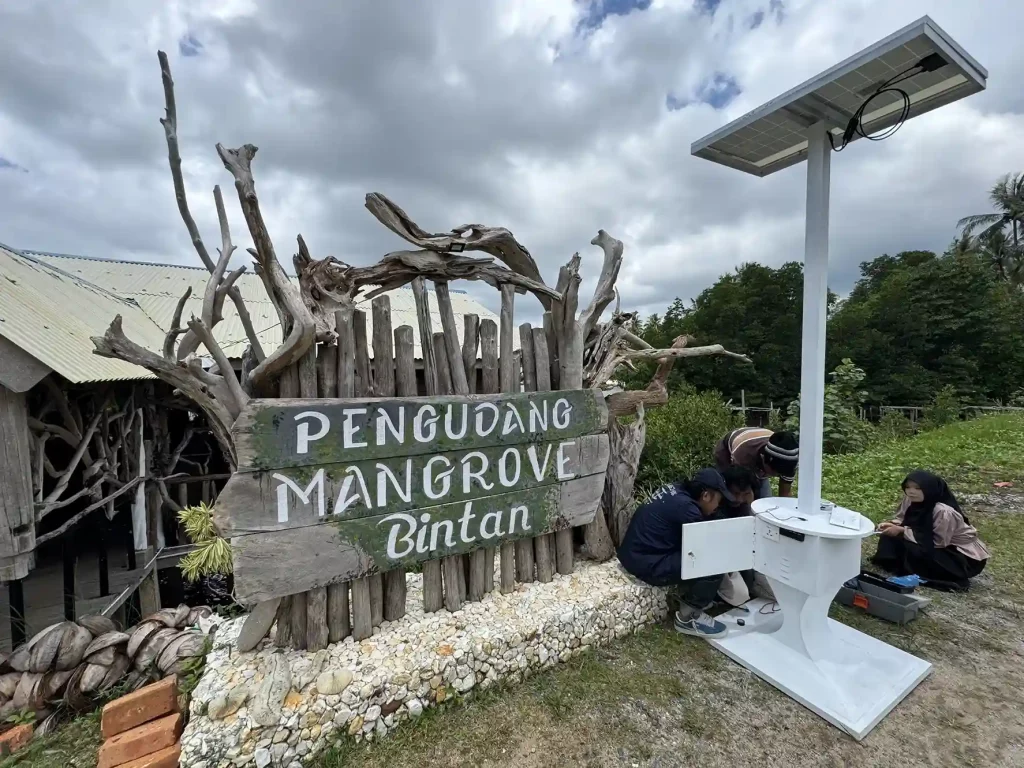
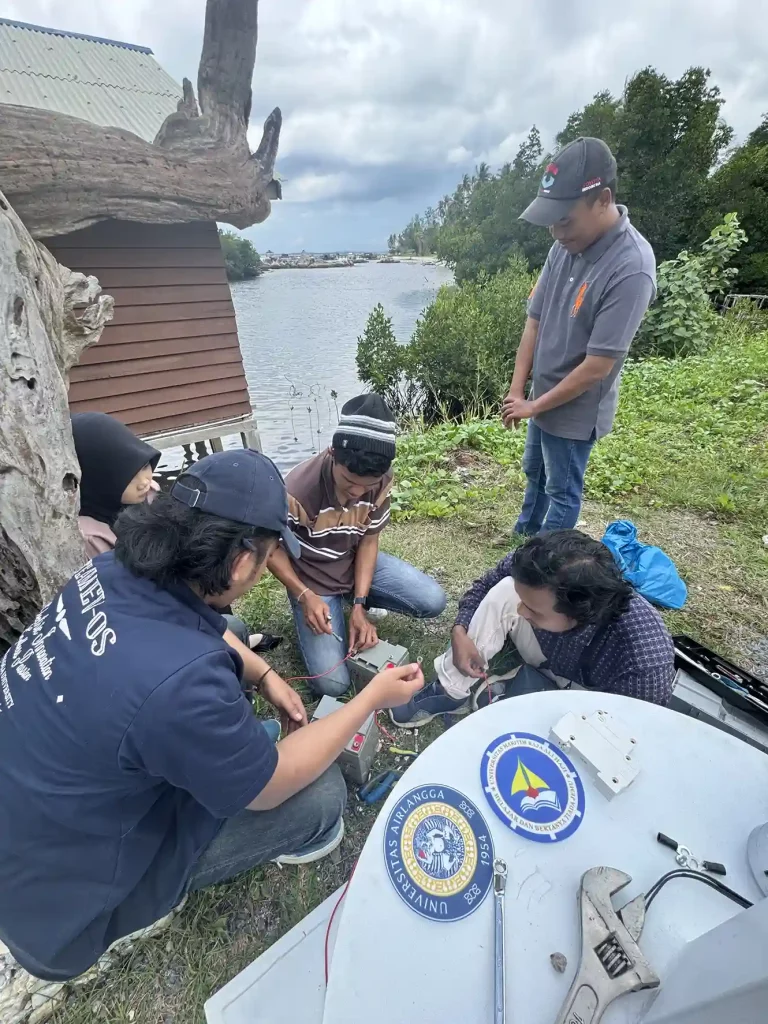
The collaboration delivered a renewable energy innovation to the coastal region. FTMM lecturer Rizki Putra Prastio, SSi, MT, led the design and prototype development. Working alongside lecturer Yoga Uta Nugraha, ST, MT, and student M. Fadhlul, he oversaw the installation of solar panels, the charge controller, inverter, and battery storage system.
Prototype demonstrates strong performance
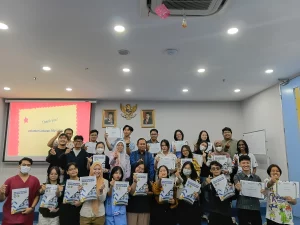
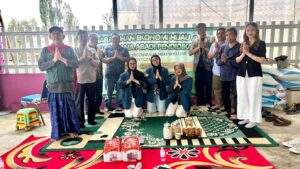
The team tested the prototype using lamps and basic electrical tools such as a hand drill, with positive results. Prastio later held a public outreach session attended by 25 participants, including village officials, members of the local tourism awareness group (Pokdarwis), and residents. The discussion generated strong enthusiasm, particularly around solar energy’s potential to meet household and small-business needs.
Local residents welcomed the initiative, noting that the solar charging station not only provides clean energy but also creates new opportunities for micro, small, and medium enterprises (MSMEs) by offering affordable and reliable electricity. They expressed hope the project would stand as a model for how universities and communities can work together to deliver practical solutions and foster energy independence in coastal areas.
UMRAH leaders express support
UMRAH faculty members Anton Hekso Yunianto, ST, MSi, and Tony Suhendra endorsed the partnership, calling it a strategic step in strengthening renewable energy adoption, particularly through solar charging stations. They said the project helps address energy access challenges while encouraging sustainable, environmentally friendly practices.
Support also came from Iwan Winarto, manager of the Pengudang Mangrove tourism site. He noted that the charging station, designed with UMRAH’s input, doubles as a communal table, enabling visitors to charge devices safely and comfortably while providing a shared space for social interaction.
The system is expected to boost energy self-sufficiency, improve quality of life, and serve as a practical demonstration of renewable technology in coastal communities.
Commitment to clean and sustainable energy
The solar charging station represents an important step in delivering clean, sustainable energy. FTMM, UMRAH, and the students involved not only developed safe and reliable charging infrastructure but also strengthened collaboration between academia, local communities, and environmental managers. The initiative is intended to continue expanding, supporting energy independence and inspiring broader renewable energy adoption across Indonesia.
Advancing sustainable development goals
Prof. Dr. Retna Apsari, MSi, Dean of FTMM UNAIR, said the ACDH program in Bintan reflects FTMM’s commitment to advancing renewable energy, particularly solar power, in support of tourism and the UN’s Sustainable Development Goals (SDGs).
She noted that collaboration between FTMM UNAIR and FT UMRAH will continue through research and community programs in Bintan, Batam, and other parts of the Riau Islands. “We hope this partnership will grow into broader research and educational cooperation,” Prof. Apsari said.
Author: Yoga Uta Nugraha, Andri Hariyanto