

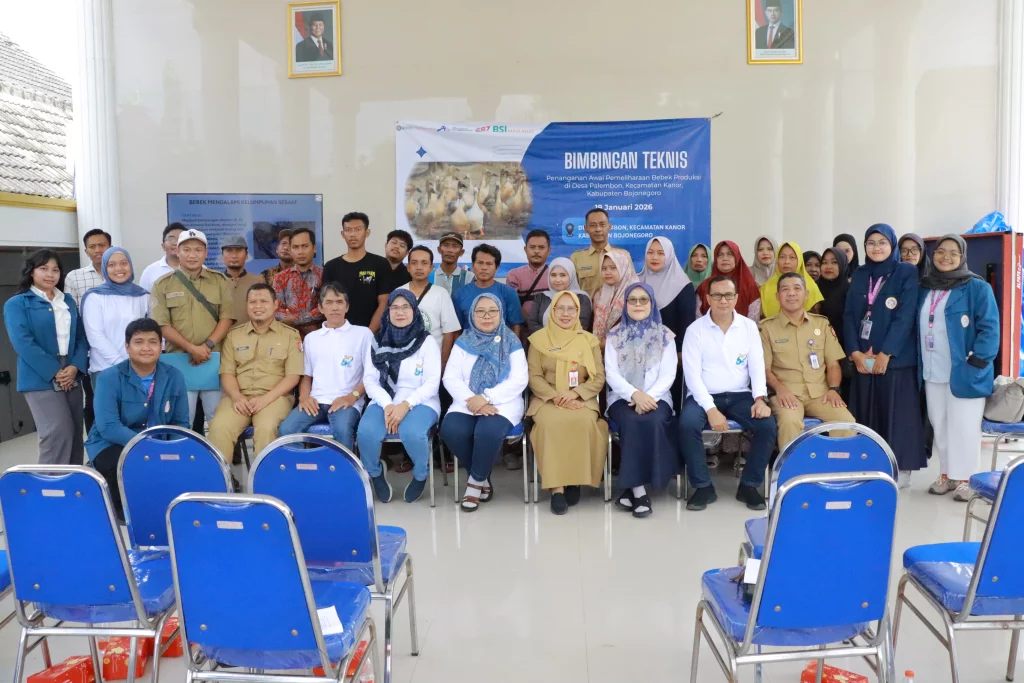
UNAIR NEWS – The Faculty of Veterinary Medicine (FKH) Universitas Airlangga (UNAIR) has once again rolled out a long-term community service initiative aimed at strengthening local livelihoods. This time, the faculty organized a technical training program for farmers selected to receive duck farming assistance in Bojonegoro Regency. The activity was held on Monday (January 19, 2026) at the Palembon Village Hall in Kanor Subdirstrict, Bojonegoro.
The event marked the opening phase of a broader program titled “Improving Livestock Health and Nutrition through the Establishment of Assisted Villages, Optimizing Goat Reproductive Health, and Implementing Assisted Villages through Duck Farming in Bojonegoro Regency.” The initiative is designed to enhance farmers’ capacity through science-based education and continuous mentoring.
Sustainable livestock assistance program
The program is the result of close collaboration between FKH UNAIR and the Bojonegoro Regency Government, particularly the Office of Livestock and Fisheries. Prof. Dr. Widjiati, drh, MSi, Head of the FKH UNAIR Community Service Team, emphasized that the technical training serves as a critical preparatory stage before livestock assistance is distributed to the community.
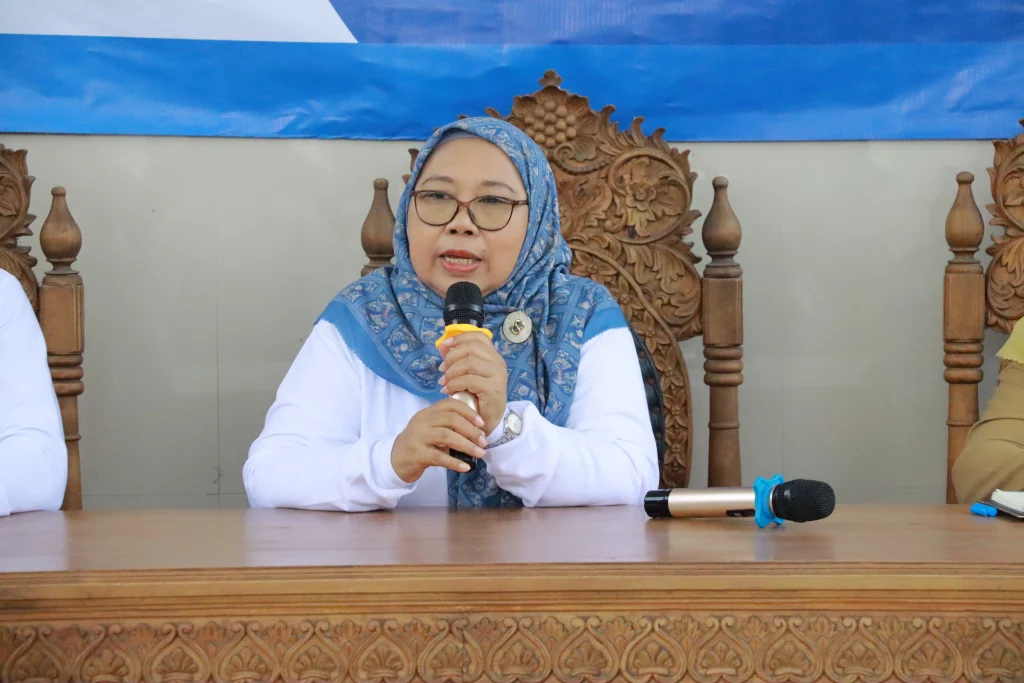
“Providing duck livestock alone will not yield optimal results without proper knowledge of animal health, nutrition, and farm management. Through this assisted village initiative, FKH UNAIR seeks to ensure that farmers are well prepared so their duck farming activities can be sustainable,” Prof. Widjiati said.
She added that the assisted village concept holds strong potential to create villages with lasting and meaningful impact. According to her, poverty alleviation remains the central mission of this community service program.
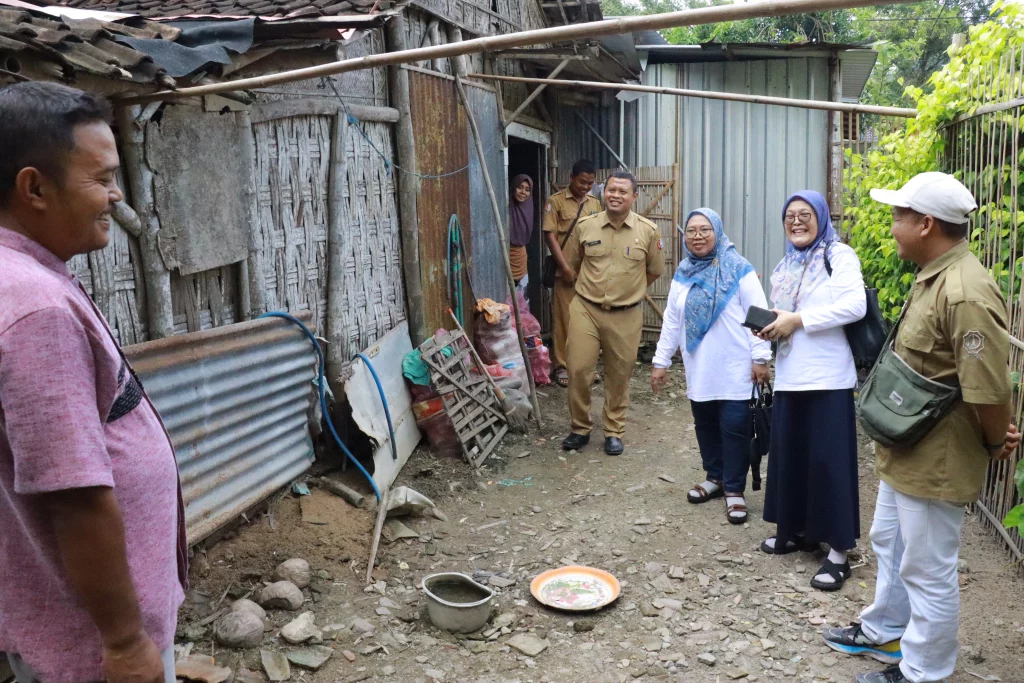
“We have selected 20 underprivileged residents to receive 15 female ducks and two males, along with 50 kilograms of feed and support for building cages. We hope this program will grow effectively in line with the resources provided, and we will continue to accompany the farmers over the next year,” she explained.
Expert-led training
The technical training was attended by farmers from Palembon Village and neighboring areas who were selected as prospective recipients of the duck farming assistance package. The sessions covered duck farming management, feed formulation, disease prevention and control, and hygienic, environmentally friendly housing systems. Participants were also introduced to the importance of reproductive health as a key factor influencing livestock productivity.

In addition, discussions were held with livestock experts from FKH, including Dr. Emy Koestanti Sabdoningrum, drh, MKes; Prof. Dr. Sunaryo Hadi Warsito, drh, MP; and Prof. Dr. Iwan Sahrial Hamid, drh, MSi. The sessions addressed common duck diseases and explored the use of traditional remedies as part of an integrated livestock development approach in Bojonegoro. This strategy is expected to improve production efficiency and boost farmers’ incomes.
Aligned with local government programs
Drh. Catur Rahayu K., MSi, Head of the Bojonegoro Regency Office of Livestock and Fisheries, expressed appreciation for UNAIR’s contribution. She described the initiative as a positive example of synergy between the university and local government in advancing smallholder livestock development.
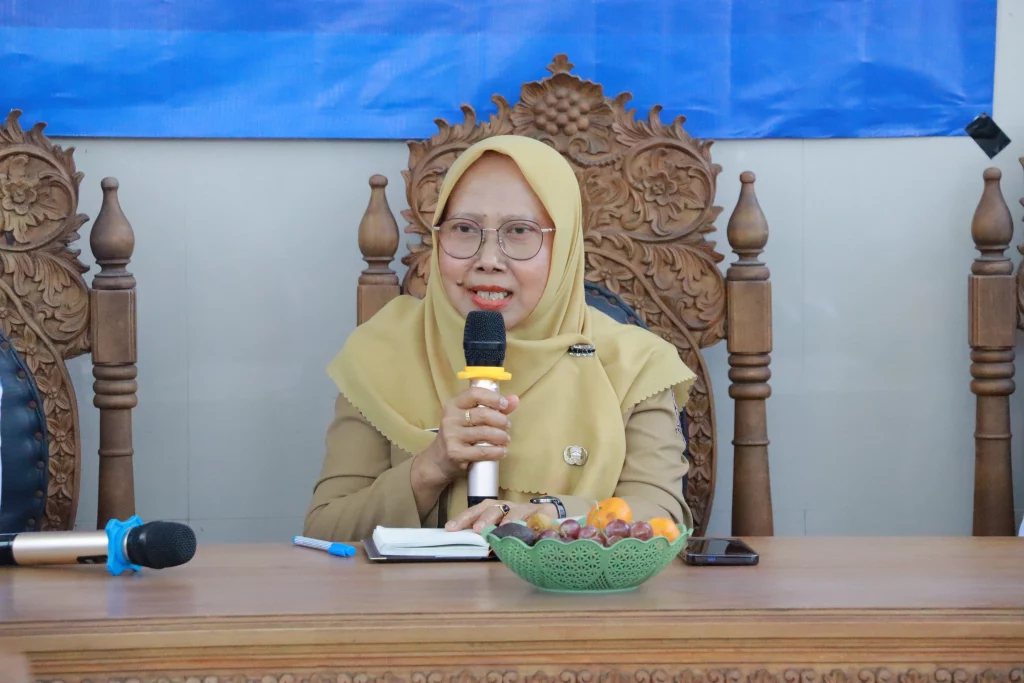
“This program aligns with the Bojonegoro Regency Government’s efforts to improve community welfare through livestock development. We hope UNAIR’s continued assistance will deliver tangible improvements in productivity and overall community well-being,” she said.
Through the launch of the assisted village program and the delivery of technical training, FKH UNAIR reaffirmed its commitment to development rooted in local potential. Looking ahead, the initiative is expected to serve as a model for sustainable livestock development while strengthening food security at the village level.
Author: Ragil Kukuh Imanto