



UNAIR NEWS – In recent weeks, Indonesia has been struck by a series of disasters that have forced many residents into temporary evacuation shelters. In these settings, women are especially vulnerable to a range of challenges, from reproductive health concerns to mental strain and personal safety risks. This raises an important question: what steps are necessary to build evacuation shelters that truly support and protect women?
Prof. Dra. Myrtati Dyah Artaria MA PhD, Head of the Task Force for Preventing and Responding to Violence in Higher Education (Satgas PPKPT) at Universitas Airlangga (UNAIR), offered her perspective. She noted that disaster situations often create unsafe environments for women due to a mix of social norms, power inequalities, and biological factors.
Breakdown of protective structures
Prof. Artaria explained that in many communities, women are traditionally viewed as individuals who require protection. However, when disaster hits, these social protection systems weaken as people prioritize their own survival. “When protective structures loosen, it opens opportunities for certain individuals to take advantage,” she said.
She added that abrupt shifts in social environments, for instance, when women who are used to private spaces suddenly have to share crowded shelters with large groups, can create conditions ripe for risk. “These situations depend heavily on the cultural norms that shape how women are treated,” she said.
Gender-based violence risks in shelters
One recurring issue in such conditions is gender-based violence (GBV), which refers to harmful acts directed at individuals based on sex or gender identity. These acts can cause physical, sexual, or psychological harm and may include threats, coercion, or restrictions on freedom, whether in public or private settings.
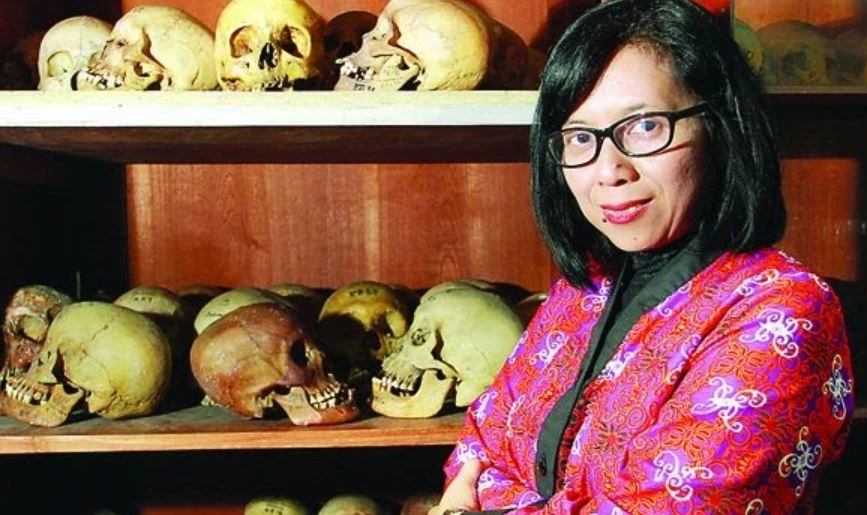
Although GBV can affect anyone, women and girls are disproportionately impacted. GBV stems from gender inequality, abuse of power, and harmful societal norms. “The risk of gender-based violence also arises from physiological differences between men and women. Men generally have stronger aggressive impulses due to hormonal factors,” she explained.
GBV may involve physical, sexual, or psychological violence, as well as threats or limitations imposed because of a victim’s gender identity. “But the deepest roots are social, patriarchal culture, gender inequality, limited education, and misuse of authority,” she emphasized.
Psychological strain and additional challenges for women
The emotional toll of losing homes, belongings, or loved ones affects all evacuees, including women. Prof. Artaria stressed the importance of an empathetic approach in providing assistance. “Support workers must be able to put themselves in the evacuees’ position. The priority is to meet the most urgent needs first, followed by more specific needs,” she said.
For women in particular, assistance must be delivered in ways that respect the cultural norms they observe. Responders should take time to understand these norms before entering the field.
Importance of meeting women’s needs
Ensuring that evacuation shelters are safe and supportive for women requires addressing their specific needs, Prof. Artaria said. A safe space includes several key elements, such as guaranteeing women’s security, privacy, and dignity in accordance with their cultural expectations.
She also highlighted the need for adequate hygiene supplies and accessible healthcare services, including reproductive and mental health support. Ideally, shelters should establish confidential and secure reporting systems for cases of violence and employ staff trained to prevent and respond to GBV.
Author: Rizma Elyza
Editor: Yulia Rohmawati