


UNAIR NEWS – The Indonesian government’s proposal to establish two distinct educational institutions—Garuda International Schools and People’s Schools—has sparked public debate over its alignment with the principles of equity and justice in education. Agie Nugroho Soegiono, a lecturer from the Department of Public Administration at FISIP UNAIR, weighed in on the issue. He noted that this policy move appears to be an implicit admission of the stark disparities within the national education system. Ultimately, such an approach could lead to a segmented talent pipeline, with students being funneled into certain institutions based on their socioeconomic status.
Garuda Schools are envisioned for high-performing students, while People’s Schools are likely intended for those from underserved communities lacking adequate access to quality education. “My concern is that this dual-track system will only widen the educational gap among the population,” Soegiono stated. “The government should instead focus on efforts to standardize educational quality—starting with a comprehensive education roadmap.”
Policy inconsistency
Soegiono also criticized the lack of policy continuity in Indonesia’s education sector, where each change in leadership often brings a complete overhaul of the curriculum. “This is a critical issue. We must establish continuity in educational strategies. Students should not be treated as test subjects with every policy shift,” he said.
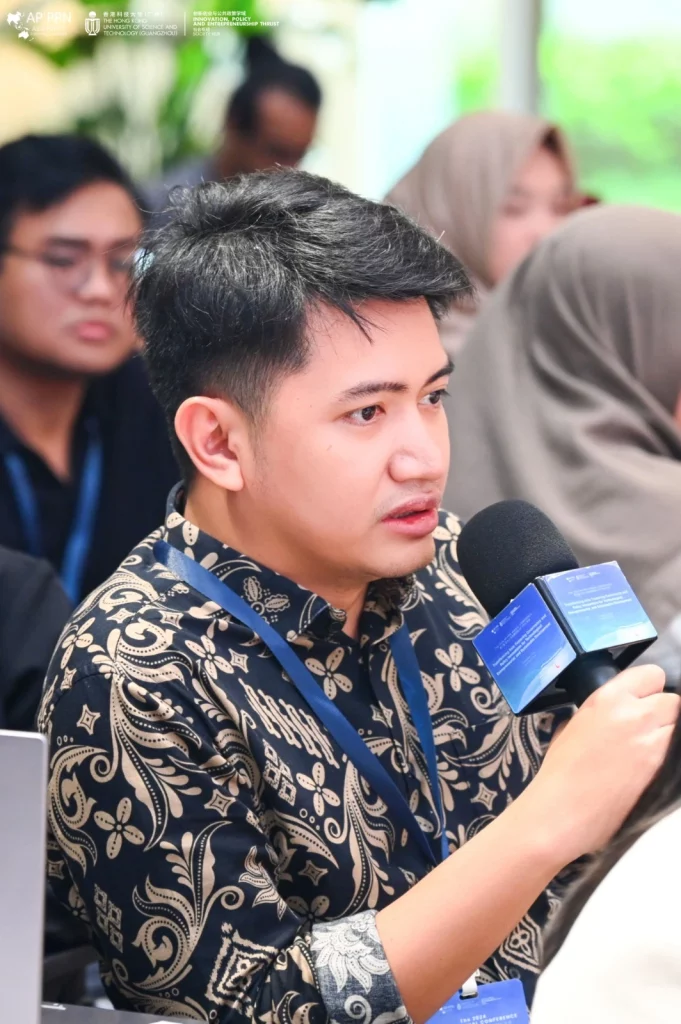
Building new schools, Soegiono argued, will require substantial funding—funds that might be better allocated to improving existing institutions. Many schools still struggle with inadequate infrastructure and a shortage of qualified teachers. “These are the real issues the government should prioritize, rather than diverting resources to construct entirely new schools,” he emphasized.
He also expressed concern over the increasing commercialization of education in recent years, with a growing emphasis on serving industry needs, while education should be a liberating force, not a tool to reinforce class divides.
In an age dominated by artificial intelligence, Soegiono urged educators to teach values and critical thinking skills that machines cannot replicate. A revitalization roadmap—in curriculum content and teacher development—is urgently needed.
For low-income communities, he suggested that the government focus on targeted financial aid rather than new infrastructure based on accurate and current poverty data.
Author: FISIP
Editor: Yulia Rohmawati