

UNAIR NEWS – Stunting continues to be a major public health issue in efforts to promote healthy childhood development. Limited awareness of balanced nutrition and proper caregiving practices has made the problem increasingly urgent. In response, the Faculty of Medicine Universitas Airlangga (UNAIR) launched a community service initiative aimed at improving local nutrition through its Student Service Program. The activities are being carried out in stages, beginning with pre-event preparations and continuing through the main event and post-event phase, from October through February 2026 in the Tambaksari subdistrict.
Meaningful community impact
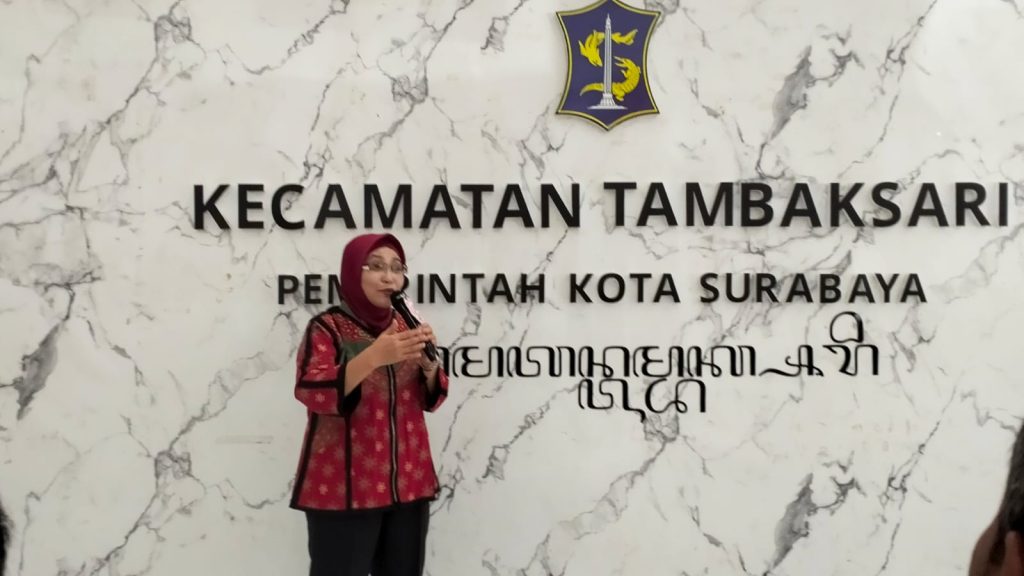
During the main event held Saturday (Nov 29, 2025), supervising lecturer Dr. Sulistiawati, dr., M.Kes explained that the program is part of the Student Executive Board’s agenda. A central focus, she said, is providing support for children under the age of two.
She expressed hope that the program would help first-year students in the Class of 2025 gain accurate knowledge and hands-on experience in monitoring early childhood development. “Aside from building communication skills and contributing to public welfare, this program helps evaluate whether existing government initiatives are functioning as intended and producing meaningful outcomes,” she said. Participating students were assigned across five subdistricts in Tambaksari: Gading, Kapasmadya Baru, Ploso, Rangkah, and Tambaksari.
Support for children under two
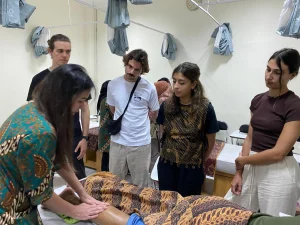
Dr. Sulistiawati added that assisting infants and toddlers remains the program’s primary objective. In addition to mentorship activities, the initiative includes education on stunting prevention, pediatric nutrition counseling, medical check-ups, distribution of social aid, and workshops on reading WHO growth charts.
The program is conducted in collaboration with the Tambaksari Subdistrict Office and Surabaya’s Health Department. “We hope the involvement of these first-year students will provide parents of young children with accurate information and positive reinforcement, ultimately supporting improvements in their children’s development,” she said.
Tambaksari was selected as the program location due to persistent nutritional challenges in the area and its status as one of UNAIR’s designated community-development sites. “As a partner village, UNAIR has a responsibility to provide concrete support, particularly through ongoing mentorship,” she added.
Author: Adinda Octavia Setiowati
Editor: Yulia Rohmawati