

UNAIR NEWS – The Indonesian government has officially established October 17 as National Culture Day, as outlined in Ministerial Decree No. 162/M/2025. This decision marks a formal recognition of the vital role culture plays in shaping national identity and supporting the country’s development.
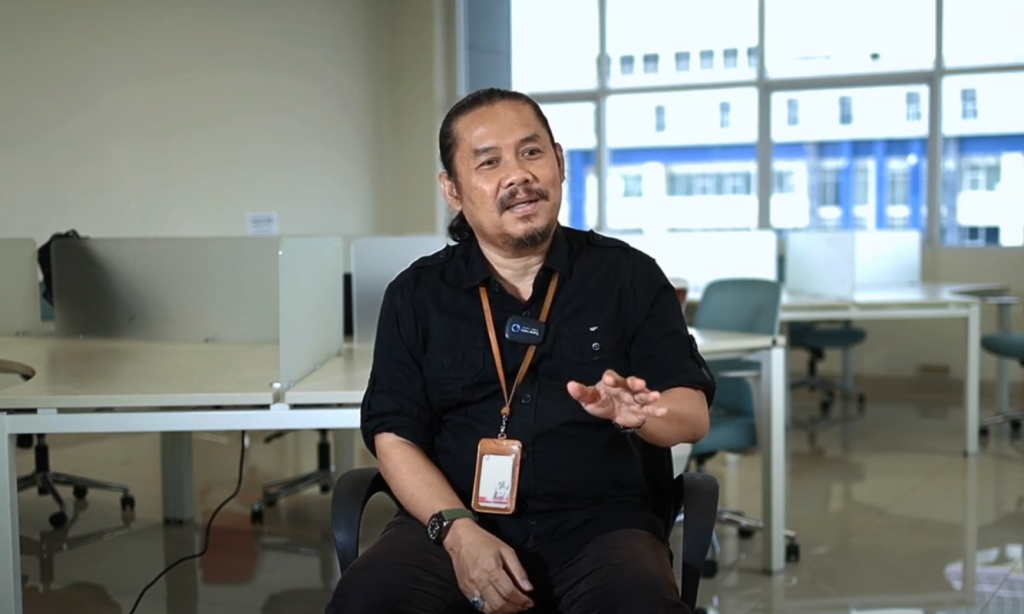
Puji Karyanto, SS, M.Hum, a lecturer at Universitas Airlangga’s Faculty of Humanities (FIB), said the declaration of a National Culture Day is a long-anticipated step advocated by cultural practitioners. He believes the move carries strategic importance and should not be reduced to mere symbolism.
“As scholars working in the field of cultural studies, we believe the establishment of a dedicated culture day is essential,” said Karyanto. “Culture is a foundational pillar of national development and must be prioritized for the future progress of our nation.”
Debate surrounding the chosen date
Despite broad support for the concept, the selection of the date has sparked debate. Karyanto noted that the process behind choosing October 17—coinciding with President Prabowo Subianto’s birthday—raises questions about whether the decision reflects true national consensus. Multiple dates had previously been proposed, each backed by its own historical justification.
“This is where the issue lies. Culture is crucial, and a progressive nation must have a well-defined cultural strategy,” Karyanto said. “That requires a detailed blueprint supported by thorough academic research and meaningful public participation to ensure the date chosen reflects collective agreement and not political influence.”
Ensuring genuine public participation
The date was reportedly suggested by a group of artists and cultural figures from Yogyakarta. Even so, Karyanto emphasized that any public involvement in the decision-making process must be transparently documented and publicly accessible.
“If public participation truly occurred, then it needs to be validated, including involvement from other key stakeholders such as Commission X of the House of Representatives, which oversees cultural affairs and collaborates with the Ministry of Culture,” he said.
Public skepticism toward the chosen date is understandable, Karyanto added, with some critics suspecting political motivations. In response, the expert in contemporary Indonesian literature stressed the importance of transparency and strong justification from the government.
“First, we need to assess the government’s goodwill in promoting culture and ensure it translates into meaningful action,” he said. “Second, the controversy over the date must be addressed by the Minister of Culture through clear public communication. If there are working papers or documented deliberations behind the decision, those should be shared to prevent future revisions and reinforce the decision’s legitimacy. The public has every right to question it—many, including myself, weren’t even aware such a decision was underway.”
Transforming culture day into long-term impact
Amid the controversy, Karyanto expressed hope that National Culture Day becomes more than just an annual ceremonial event. He encouraged that the occasion be used as a catalyst to implement Law No. 5/2017 on Cultural Advancement and other relevant regulations.
He explained that building an inclusive national culture is a long-term process, and Indonesia’s rich local traditions provide a solid foundation. The country, he argued, has vast potential to strengthen its national identity through supportive policies in cultural diplomacy, the creative economy, culinary heritage, and film.
“National Culture Day should be a tool to foster greater awareness of our own cultural roots,” Karyanto concluded. “Culture is a broad concept, and in today’s digital age, there are many strategies we can use to preserve and promote it. Let’s explore our cultural richness—not just to conserve it, but to bring it to global platforms.”
Author: Nur Khovivatul Mukorrobah
Editor: Khefti Al Mawalia