

UNAIR NEWS – In support of the Tri Dharma of Higher Education, students from Universitas Airlangga (UNAIR) continue to deliver meaningful community service. The Indonesian Language and Literature Student Association (Basasindo) of the Faculty of Humanities (FIB) is contributing through its ABIPRAYA initiative, which brings a range of community-empowerment programs to Peneleh urban community. The initiative, branded Healthy, Productive, Active, Eco-Friendly, Creative(SPARK) runs every weekend, Friday through Sunday, from October to November.
Vera Audicha Putri, head of the Community Service Division, said Peneleh was chosen for its strong cultural character. “Beyond its reputation as a historic neighborhood, Peneleh has residents who are engaged and open to educational activities. That makes it an ideal place to strengthen literacy, creativity, and community empowerment,” she said.
Four core areas
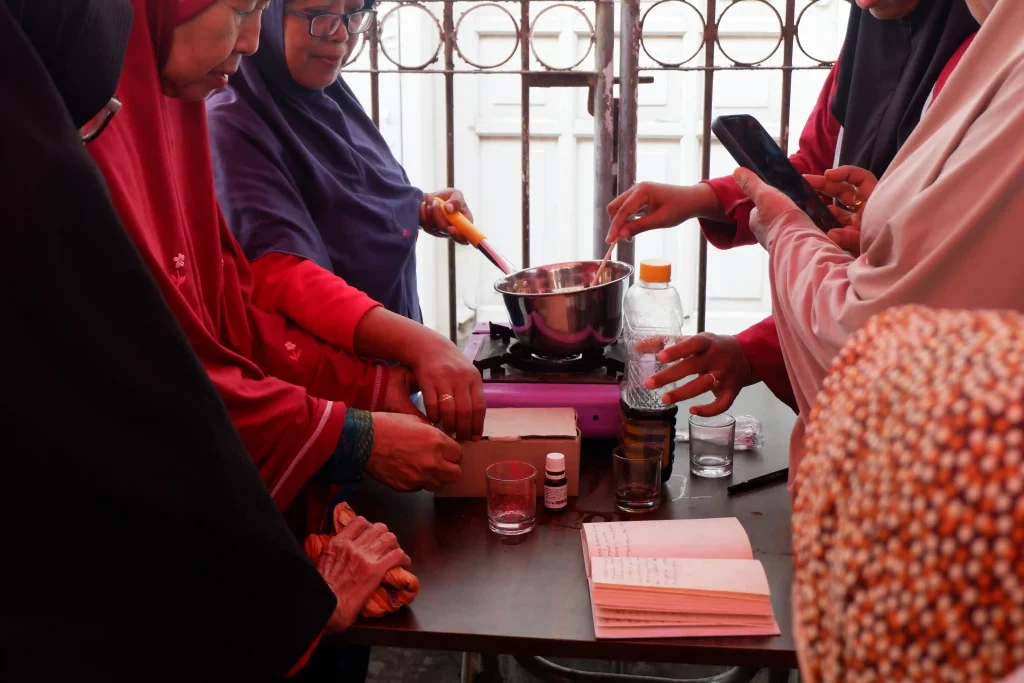
The program centers on four main areas: education, creative economy, environment, and health. Students teach literacy and creative skills to children, organize neighborhood clean-ups, plant home medicinal gardens, lead group exercise sessions, and provide training on how to process used cooking oil waste.
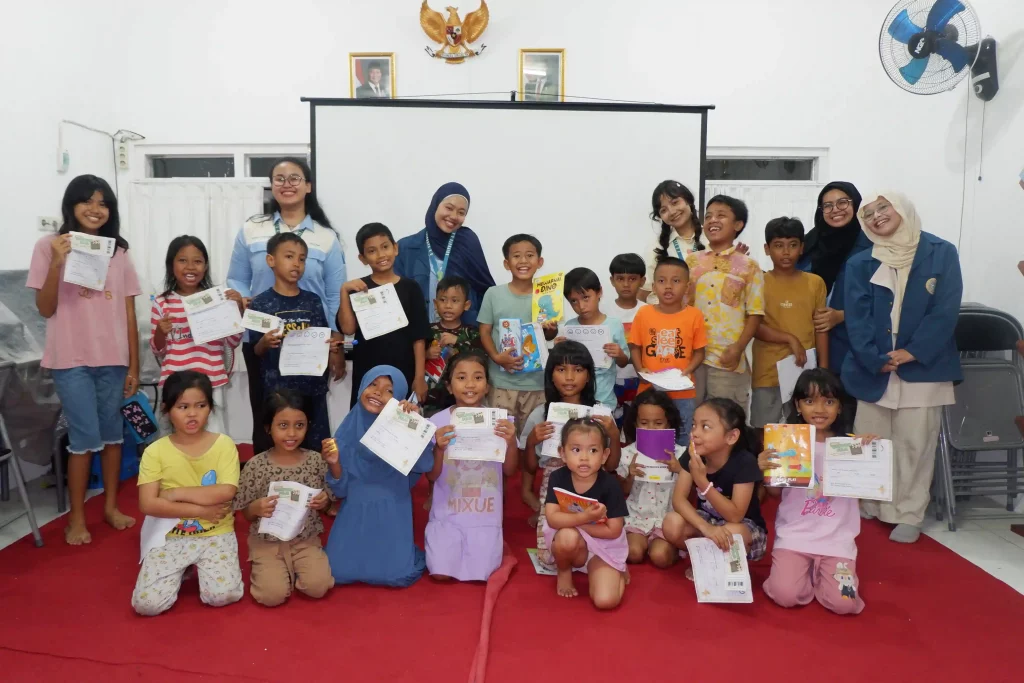
Putri added that students also assist with local community events. “For instance, when tourists visited recently, we helped residents coordinate the activity, and they welcomed the Basasindo team warmly, especially parents who appreciated having educational programs available for their children,” she explained.
She noted that the initiative has already produced noticeable benefits. Children are beginning to form positive new habits, and residents have become more receptive to outside educational programs. The steady flow of activities has also brought renewed energy to the neighborhood.
Adjusting to local needs
Putri acknowledged that the program’s implementation came with challenges, including residents’ varying schedules, the need to adapt to children’s personalities, and early hesitation from some community members. The program also had to work around community activities such as tadarusan, as well as uneven levels of parental engagement with children’s education.
Despite these hurdles, Putri hopes ABIPRAYA will continue to serve the community. “We hope residents, especially children, grow more aware of the importance of literacy and education for their future. For UNAIR, we hope this service initiative strengthens students’ roles as agents of change and deepens the relationship between the university and the community. And we hope ABIPRAYA continues in the years ahead and keeps bringing lasting benefits,” she concluded.
Author: Adinda Octavia Setiowati
Editor: Yulia Rohmawati