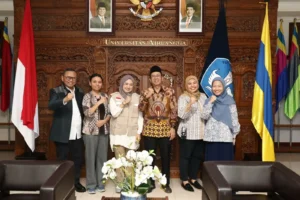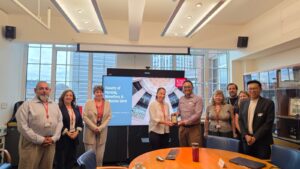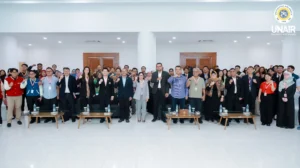


UNAIR NEWS– Universitas Airlangga (UNAIR), through its Environmental Engineering Program and Airlangga Global Engagement (AGE), welcomed a delegation from Nanyang Polytechnic, Singapore, for a joint visit to Surabaya’s Water Treatment Plant (IPAM) and Mangrove Ecotourism Area on Wednesday (Sept. 3, 2025). The initiative is part of UNAIR’s broader effort to strengthen international cooperation while showcasing Surabaya’s urban environmental management and coastal conservation practices.
The visit is one element of a continuing partnership between UNAIR and Nanyang Polytechnic focused on education, research, and global capacity building. By hosting the delegation, UNAIR sought to highlight sustainable approaches the city has adopted, particularly in clean water management and the protection of coastal ecosystems.
As the university’s hub for international collaboration, Airlangga Global Engagement (AGE) consistently promotes initiatives that advance the United Nations’ Sustainable Development Goals (SDGs) and UNAIR’s long-term mission of becoming a world-class university.
From clean water to coastal preservation
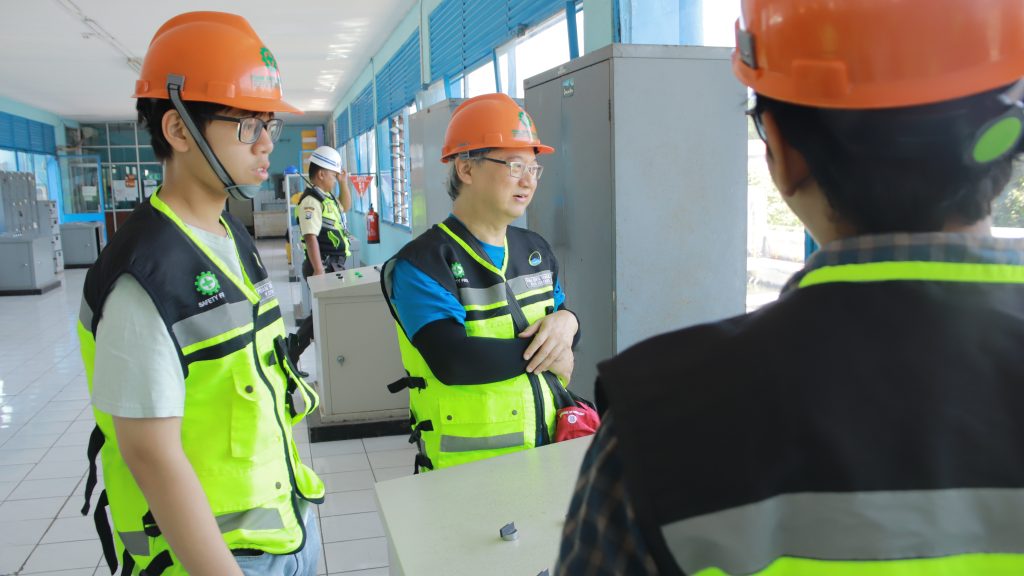
The delegation began its program at PDAM Surya Sembada Ngagel’s water treatment facility, where they observed the city’s clean water operations. Guided by facility managers, participants learned about filtration, distribution systems, and the challenges of water resource management in a large urban setting.
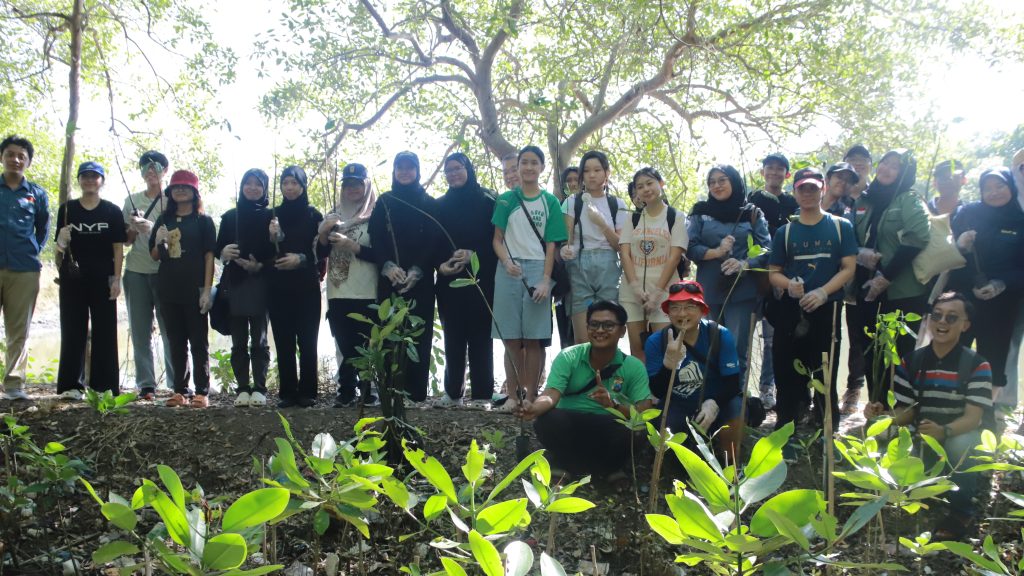
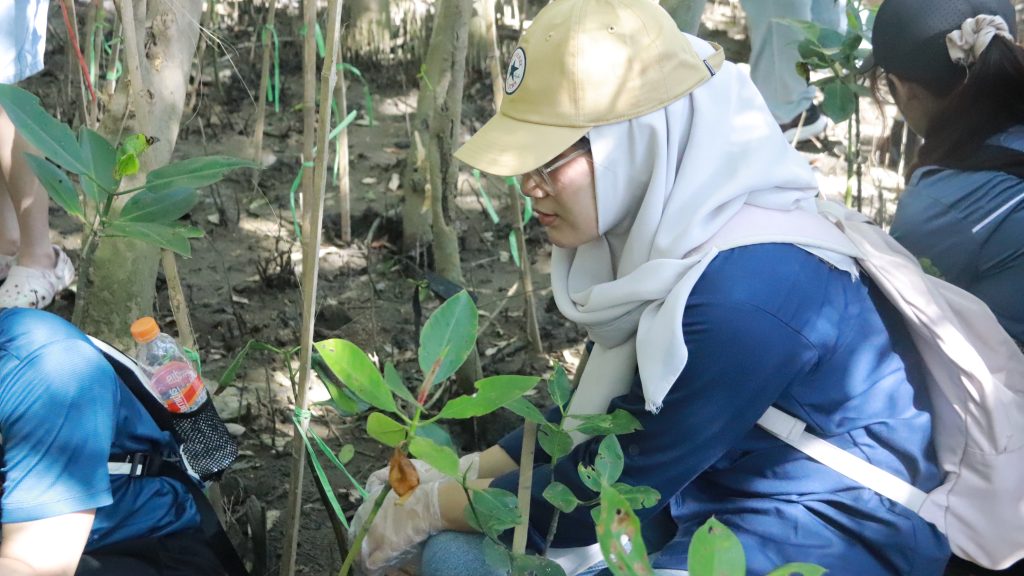
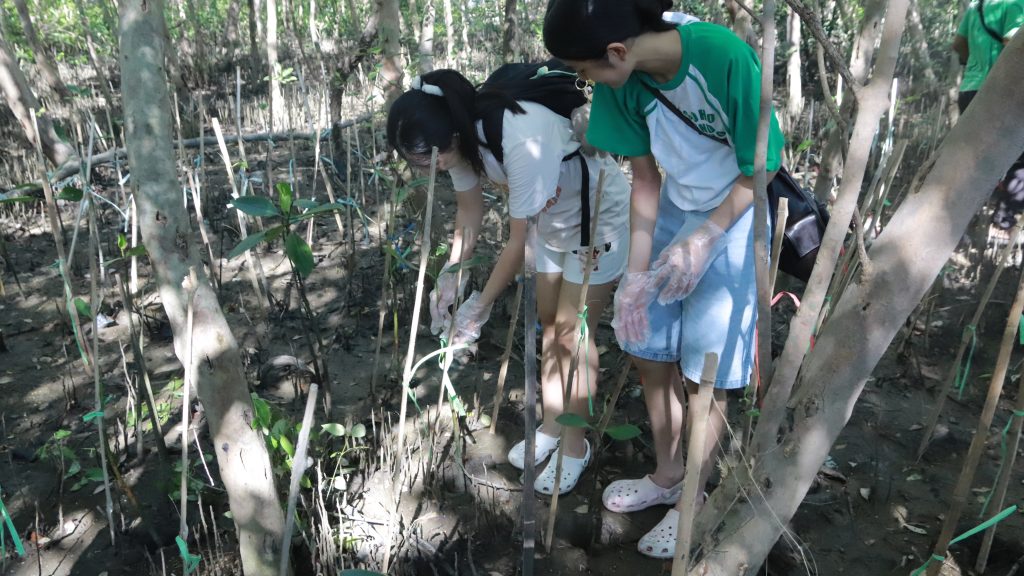
The group then moved on to Surabaya’s Mangrove Ecotourism Area. There, they toured the mangrove forest and took part in mangrove planting. The hands-on activity underscored the ecological importance of mangroves as natural barriers against climate change and coastal erosion.
Dr. Eko Prasetyo K ST DEA, Coordinator of UNAIR’s Environmental Engineering Program, said the visit provided an important opportunity to strengthen academic and cultural ties between UNAIR and Nanyang Polytechnic.
“In order to enhance education, research, and community service—the three pillars of higher education—we are working closely with Nanyang Polytechnic. This program not only builds institutional partnerships but also introduces international students to Surabaya’s biodiversity and local conservation efforts,” he said.
Contributing to environmental sustainability
Dr. Prasetyo emphasized the broader impact of the initiative, particularly for the environment, and expressed hope it would continue on a regular basis. “As part of their community service, environmental engineering students engage in activities like waste collection and mangrove planting. These projects strengthen student involvement while directly benefiting local communities,” he noted.
“Programs like this are essential not just within universities but also with public participation. Institutions must continue these efforts consistently to advance sustainable development goals and ensure long-term environmental protection,” he added.
Through this visit, UNAIR reaffirmed its commitment to expanding international collaboration while highlighting Indonesia’s sustainability practices. Looking ahead, university leaders hope to broaden the partnership with Nanyang Polytechnic into joint research, student exchanges, and additional academic programs that support UNAIR’s vision of becoming a world-class university.
Author: Ragil Kukuh Imanto