

UNAIR NEWS – Universitas Airlangga’s Faculty of Fisheries and Marine Sciences (FPK) has earned the 28th position globally in Sustainable Development Goal (SDG) 14, which centers on marine ecosystem preservation. This achievement reflects the collective efforts of FPK’s faculty, students, and staff through research-based programs, community engagement, and continuous innovation aimed at fostering sustainable ocean stewardship.
Ayu Lana Nafisyah, SPi, MSc, PhD, a faculty member at FPK, shed light on the faculty’s initiatives in reaching this milestone. “Several of our activities focus on mentoring and serving local aquaculture communities. These efforts aim to boost the productivity of cultivated species, thereby enhancing local livelihoods and improving the availability of fish as a food source,” she explained.
Research and community-based initiatives
Nafisyah emphasized that achieving this recognition required a comprehensive approach to research, spanning the full aquaculture production cycle. Faculty and students work to enhance both the quality and quantity of aquatic commodities, while the Fisheries Product Technology program addresses post-harvest processing.
FPK has also partnered with PT ANTINA and researchers from Boston, USA, to improve traditional tiger prawn farming using eco-friendly methods. “Traditional ponds rely solely on natural feed like plankton, which makes them more sustainable and less harmful to the environment,” she noted.
FPK’s outreach extends to regular initiatives like SALMON (Social and Learning Activity with Morality for Nation), which engages coastal communities. A key component of the program is mangrove planting, aimed at protecting shorelines from erosion and natural disasters.
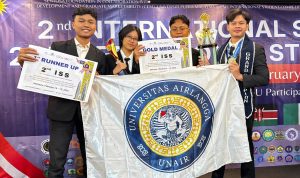
“Our students have also achieved national recognition through competitions and awards in fisheries and marine sciences. One project, for instance, involved developing a sustainable seafood freshness detection app, which earned accolades at the 2024 Indonesia Inventors Day,” she added.
Long-term sustainability strategies
Nafisyah acknowledged that working with small-scale fishers and aquaculture operators poses challenges, particularly in maintaining consistency with sustainability goals. She emphasized the importance of broad public awareness to ensure the protection and health of aquatic life, especially in areas closely connected to marine environments.
“This awareness should start at the grassroots level, forming habits that inspire others. Public education must be ongoing—planting mangroves once isn’t enough; it needs to be a sustained commitment,” she said.
Looking forward, FPK plans to strengthen small and medium-sized fisheries businesses, diversify fish-based products through training programs, and expand service areas via programs like Workshop on Processed Fisheries Products (W-POP), which has already been implemented in several coastal villages throughout East Java.
Author: Adinda Octavia Setiowati
Editor : Ragil Kukuh Imanto