

UNAIR NEWS – Acute Respiratory Infections (ISPA) continue to be a prevalent public health concern, particularly in rural areas like Manduro Manggung Gajah Village in Ngoro Subdistrict, Mojokerto Regency. The alarming presence of 11 pneumonia cases in the village prompted a community outreach initiative by Universitas Airlangga’s Medical Laboratory Technology Student Association (HIMANIS) through the Mesentrical 2025 program.
Health benefits of traditional remedies
The three-day initiative, held from Wednesday to Friday (July 2–4, 2025), adopted the theme “My Breath, My Health: ISPA Education and Prevention.” The program began with a community engagement and herbal remedy awareness session, where local residents and members of the Family Welfare Empowerment (PKK) group were introduced to the health benefits of herbal ingredients such as moringa leaves, ginger, and honey. These natural ingredients are recognized for their antioxidant, anti-inflammatory, and immune-boosting properties, which support respiratory health and strengthen the immune system.
Participants also learned how to prepare traditional herbal drinks and sampled the products. The community response was enthusiastic, with many expressing appreciation for natural alternatives. “It tastes good and feels refreshing on the throat,” said one resident during the tasting session.
Direct community involvement
Later in the afternoon, HIMANIS students organized a community cleanup campaign across three local neighborhood groups (RT 04, RT 11, and RT 12). They worked alongside residents to clean streets, drainage systems, and residential surroundings—an effort aligned with the core principles of disease prevention, particularly for illnesses linked to environmental hygiene such as ISPA.
In parallel, students distributed free milk to children along the route to support their nutritional needs. Ensuring proper nutrition is vital to maintaining a strong immune system, especially among young children who are more vulnerable to respiratory infections.
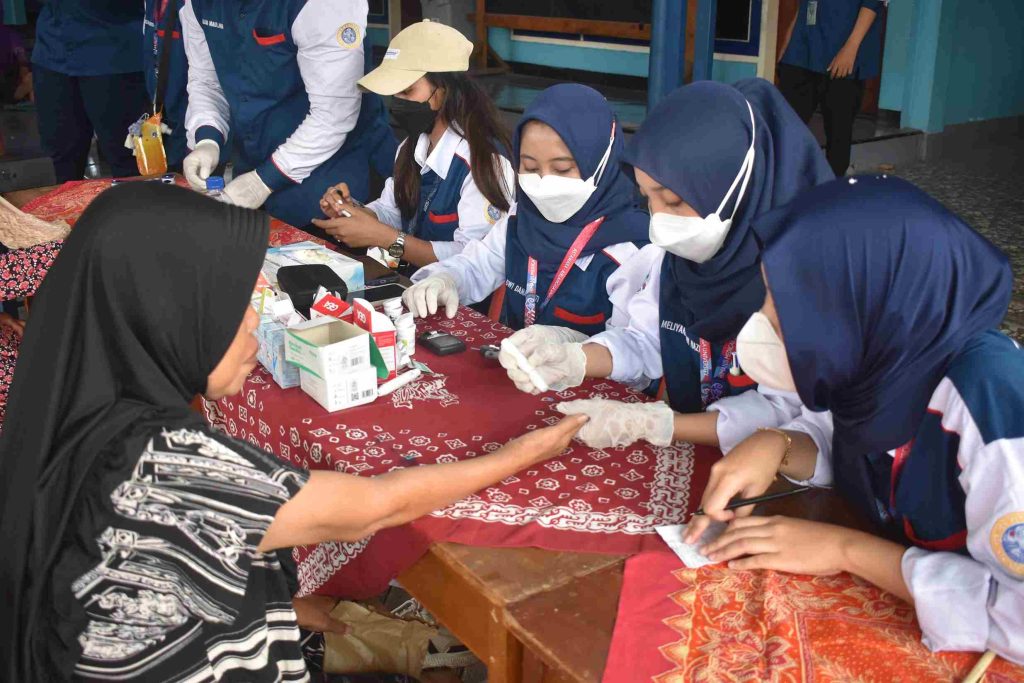
The highlight of the program took place on the second day when residents gathered for an informative session on ISPA. Topics included early symptom recognition, prevention strategies, and the importance of early detection. Following the presentation, HIMANIS offered free medical screenings, which included blood pressure, glucose levels, cholesterol, uric acid, and oxygen saturation checks. These services were supported by medical professionals from Manduro’s community health center, ensuring reliable and immediate follow-up for abnormal results.
Building community through innovation
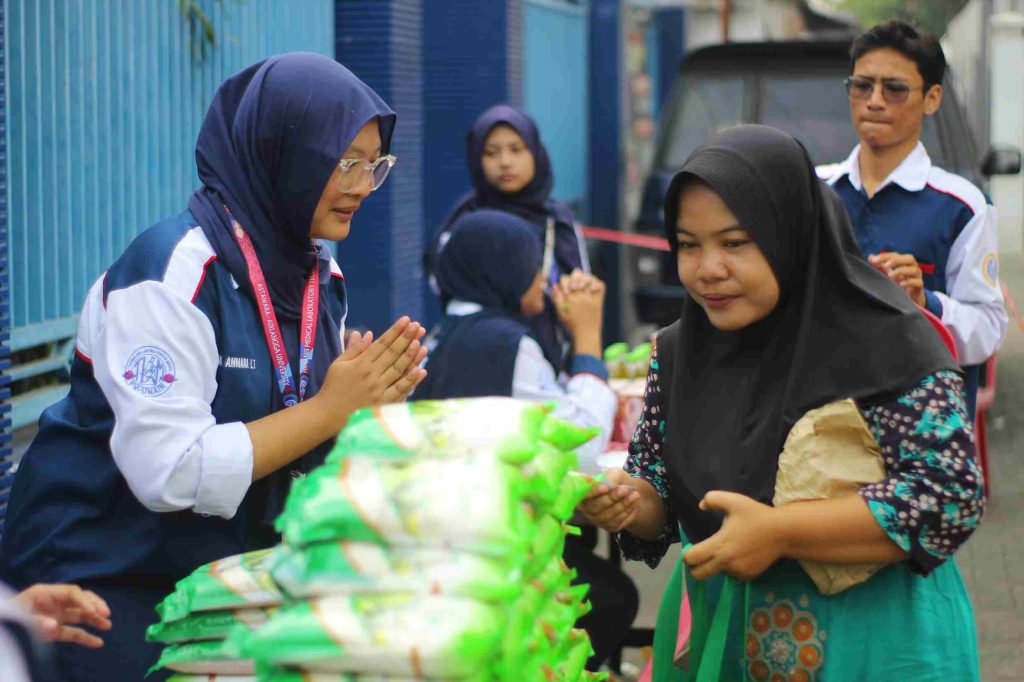
One standout element of Mesentrical 2025 was the “Affordable Market” event, creatively designed using a play-money system. Residents received this symbolic currency in advance as a golden ticket, which they later exchanged for daily necessities such as rice, sugar, tea, cooking oil, and noodles. This unique model not only added an engaging, festive feel to the event but also strengthened community bonds and encouraged cooperative values. Many residents helped each other redeem their play money, demonstrating a strong sense of solidarity.
Manduro’s village head expressed his appreciation for the initiative. “In the past, we thought a simple cough didn’t require medical attention—just rub some eucalyptus oil and move on. Now, the community understands the importance of medical checkups and recognizing early signs of ISPA,” he said.
Through Mesentrical 2025, HIMANIS UNAIR went beyond offering education—they fostered genuine community engagement and collaboration. From herbal wellness to nutrition support and collective clean-up efforts, the program offered a comprehensive approach to ISPA prevention.
Ultimately, maintaining respiratory health is not only a matter of medical care but also of community awareness, environmental stewardship, and collective action.
Author: Community Service Team
Editor: Yulia Rohmawati