


UNAIR NEWS – Eid al-Adha is often associated with a sharp rise in meat consumption. Yet, without moderation, this tradition can contribute to elevated cholesterol, heart disease, and type 2 diabetes. Lailatul Muniroh, SKM, MKes, a public health expert from Universitas Airlangga’s Faculty of Public Health, highlighted several common mistakes people make when preparing and consuming meat.
“People tend to eat meat in large quantities without any control—especially the insides, which are high in cholesterol—and they often cook it in unhealthy ways, like deep frying or using coconut milk,” she explained.

Other ways to cook meat
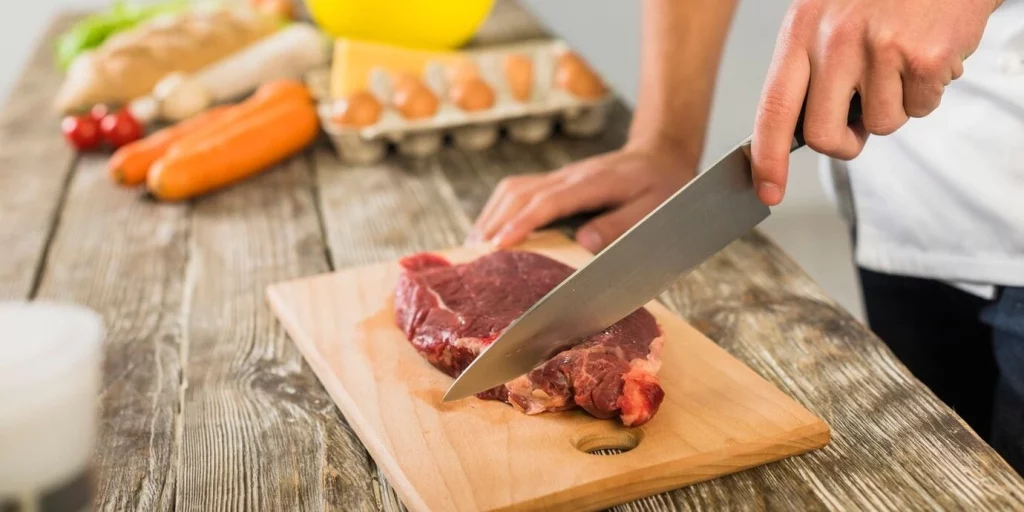
Muniroh emphasized that how meat is cooked significantly impacts its fat content and the presence of harmful compounds. High-temperature cooking methods such as grilling or frying can produce toxic substances, especially when meat is charred. By contrast, boiling or steaming is a safer choice that better preserves the meat’s nutritional value.
“While it won’t eliminate fat entirely, low-temperature methods like steaming are far healthier than burning meat until it’s blackened,” she said.
She also debunked a widespread myth: that rinsing meat with hot water or lime juice can reduce cholesterol levels. “Cholesterol is found inside the muscle tissue and doesn’t dissolve in water. So even washing meat with hot water or lime won’t lower its cholesterol,” she clarified.
Another common misconception is that goat meat is more dangerous than beef. Muniroh corrected this belief, noting that goat meat often contains less saturated fat and fewer calories than beef. “The real concern is portion size and preparation. A healthy serving of cooked red meat is about 50–70 grams, ideally no more than two to three times a week,” she advised.
Healthy eating is about balance, not restriction
Muniroh recommended pairing meat with fiber-rich foods like vegetables and fruits. In addition to helping manage cholesterol, fiber supports digestion and reduces the risk of metabolic disorders. “To get the full benefits, meat should be eaten alongside dietary fiber, plant-based proteins, and cooked using health-conscious methods. Nutrition should be viewed holistically, not by focusing on one single food item,” she added.
She emphasized that meat isn’t inherently harmful, but should be approached with mindfulness. Healthy eating habits are key to lowering the risk of chronic illness among working-age adults. “Balance and awareness are essential. It’s not about cutting out meat completely, but about knowing when enough is enough and choosing the right way to prepare it,” she concluded.
Author: Sintya Alfafa
Editor: Ragil Kukuh Imanto