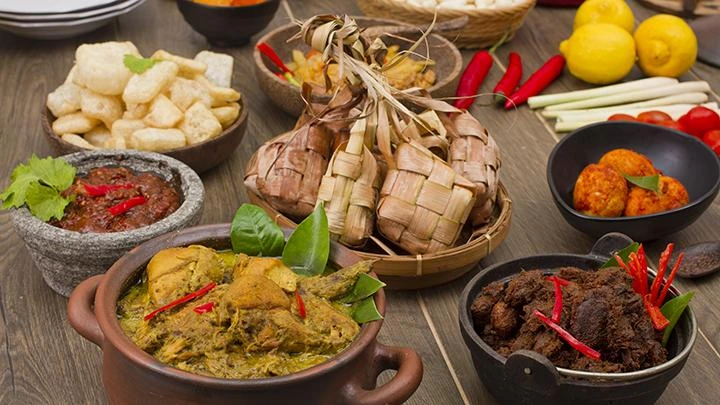
UNAIR NEWS – The Eid holiday is widely known for its rich traditional dishes, including rendang, opor, and a wide assortment of festive cookies. However, many of these foods contain high levels of calories, fat, and sugar, meaning they should be consumed carefully to prevent negative health effects. Addressing this issue, Lailatul Muniroh SKM MKes, a nutrition scholar at the Faculty of Public Health (FKM), Universitas Airlangga, said that people can still enjoy traditional Eid dishes as long as they pay attention to portion sizes and how often the foods are consumed.
Importance of “My Plate” principle
From a nutritional perspective, Muniroh emphasized that Eid meals should continue to follow the “My Plate” principle to ensure balance and safety. This guideline highlights the importance of combining carbohydrates, protein, vegetables, fruits, and adequate fluid intake in a single meal.
She explained that carbohydrates can come from foods such as ketupat or rice, while protein sources may include beef, chicken, or eggs. Meanwhile, vegetables and fruits play a key role in supplying the body with essential fiber, vitamins, and minerals.

“During Eid, people often concentrate on coconut milk–based dishes or sweet pastries, while their consumption of vegetables and fruits tends to decline. In fact, both are essential for supporting digestion and maintaining balanced nutrition,” she said.
Be aware of overeating risks
Muniroh also cautioned that consuming excessive amounts of Eid dishes may lead to several health risks. These include weight gain, increased cholesterol levels, digestive discomfort such as bloating or nausea, and spikes in blood sugar levels, particularly among people with diabetes.
“Cookies that are high in sugar can add significant calories without creating a strong feeling of fullness. For that reason, people should remain mindful of their eating habits during Eid gatherings,” she added.
She recommended prioritizing main meals before tasting cookies, increasing the intake of vegetables and fruits, and limiting foods that are rich in coconut milk and fat. Drinking enough water and avoiding overeating when visiting multiple homes can also help maintain good health.
“Enjoying traditional Eid foods is perfectly fine, but balance and moderation are essential. While celebrating togetherness during Eid, maintaining a healthy lifestyle should remain a priority,” she concluded.
Author: Maia Chaerunnisa
Editor: Yulia Rohmawati