

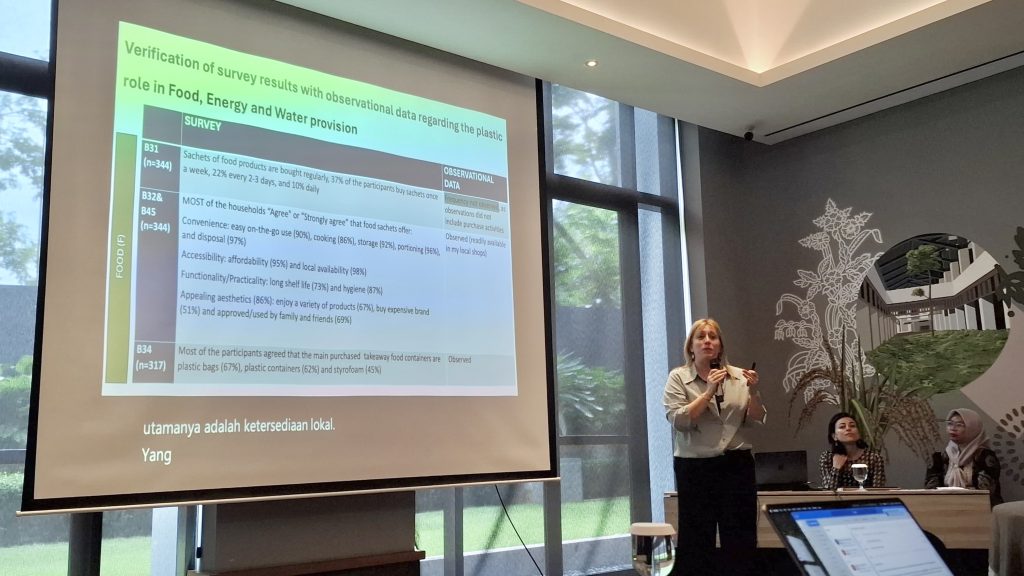
UNAIR NEWS – Universitas Airlangga (UNAIR), in partnership with Brunel University London, recently hosted a workshop titled “Synergistic Relationship between Plastic and the Food-Energy-Water (FEW) Nexus” on May 24, 2025, at Hotel Kokoon in Banyuwangi. The event is part of the PISCES program (Plastic in Society: A Systems Analysis Approach to Reduce Plastic Waste in Indonesian Societies), aimed at addressing the plastic waste crisis in Indonesia through a comprehensive systems approach.
The initiative seeks to better understand and curb plastic pollution by examining its full lifecycle—from production and consumption to public behavior, policy, and waste management practices—through a unified and integrated framework.
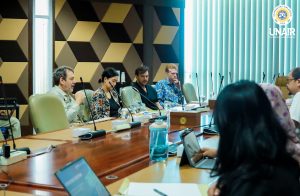
The workshop brought together an international panel of experts, including Professor Susan Jobling, lead of the PISCES program; Dr. Loula Gerassimidou and Dr. Eleni Iacovidou from Brunel University London; and Paula García Ramos from Aalborg University.
Local solutions to a global challenge
The workshop actively involved stakeholders across sectors, including faculty from UNAIR and Brunel, as well as representatives from Banyuwangi’s local government agencies such as the Health Department, Agriculture and Food Office, and Fisheries Office. The event also welcomed local entrepreneurs and environmental community groups, underscoring a collective effort to confront the growing complexities of plastic waste in Banyuwangi.
During her remarks, Prof. Susan Jobling emphasized the need for a systemic strategy to effectively address plastic pollution. “Our focus isn’t solely on the waste itself, but on the entire chain—from what we consume and how we manage it to how communities respond to the solutions we propose. This isn’t just about technological fixes—it’s about behaviors and policies as well,” she explained. She highlighted that collaboration between scientific expertise and local practices is key to driving sustainable and lasting change.
Prof. Jobling also presented recent findings on the plastic waste situation in Banyuwangi. The data revealed that single-use plastics—particularly plastic bags—are the largest contributors to household waste. The growing volume of waste is driven by high daily consumption and the limited capacity of current waste management systems.
In response to these findings, the cross-sectoral dialogue fostered during the workshop yielded several promising solutions. One key recommendation was the substitution of conventional plastic bags with eco-friendly alternatives such as biodegradable materials made from biomass and cassava starch.
“These materials decompose easily and reduce environmental impact. Plus, since cassava is abundant locally, they offer an economic opportunity for local communities,” noted Dr. Loula Gerassimidou.
She expressed hope that the workshop would not only foster knowledge sharing but also reaffirm a shared commitment to developing collaborative, science-based solutions. According to her, such efforts are crucial to accelerating the transition to a waste management system that is more sustainable, inclusive, and grounded in local strengths and wisdom.
Author: Dheva Yudistira Maulana
Editor: Khefti Al Mawalia