

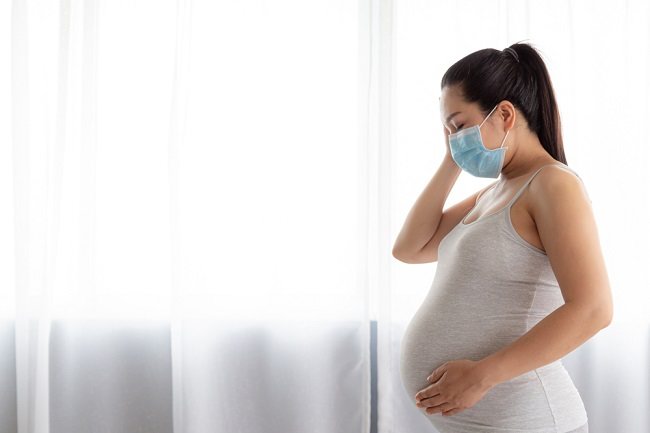
Pregnant women are one of the special groups who are vulnerable to the Covid-19 virus. During pregnancy, there are certain conditions that may occur in pregnant women, such as a partial decrease in immunity, making pregnant women more susceptible to viral infections. The physiological and immunological changes that occur as a normal component of pregnancy can have systemic effects that increase the risk of obstetric complications from respiratory infections in pregnant women. This puts the pregnant women may have a complication risk during their pregnancy, specifically respiratory disorders, such as decreased lung capacity and cardiac and vascular problems, such as tachycardia, and even nutritional deficiencies.
Until today, the further information on pregnancy in Covid-19 pandemic is still limited, which can harm the health of pregnant women during their pregnancy during the pandemic. Because during the pandemic there were significant changes in health services, especially for pregnant women. According to the data from the Indonesian Ministry of Health (Kemenkes RI), antenatal care visits have also decreased, even though only 19.2% of Posyandu are still active during the pandemic.
The principle of early detection of pregnancy risk factors is very necessary, although it is evidence-based according to several studies conducted, that all women during the reproductive period, especially during pregnancy, are always at risk, even though we know that pregnancy is physiological, meaning that all women are healthy and married will experience the process of pregnancy. Pregnancy is said to be physiological and must remain vigilant because pregnancy is at risk of falling into a dangerous situation for both the mother and the fetus she is carrying. Health workers can conduct a more detailed assessment of the level of family empowerment, and caregivers based on education level, economic status, care burden, and family ties. Several similar studies on family empowerment can be explained as follows: previous research explained that the CEP-BAM (Caregiver Empowerment Program Based On Adaptation Model) family empowerment model can improve the functional capacity and quality of life of post-stroke patients after 6 months of intervention.
This study shows the factors that affect the ability of families to detect high risk of pregnancy early that most of the personal factors are good, most of the resource factors are not supportive, most of the cognitive behavior is not good, most of the interpersonal influences are not supportive, most of the basic values are not good, most of the commitments are poor and early detection capabilities are lacking. Family empowerment model makes participants feel more responsive, alert, pay attention to self-care and immediately check with health workers if there are danger signs.
There are several factors can affect the family’s ability to carry out early detection of high-risk pregnancies, including individual or personal factors, resources, cognition, interpersonal, basic values, and commitment. It indicates that these factors affect the ability to carry out early detection of high-risk pregnancies including the introduction of high-risk pregnancy factors according to KSPR, being able to giving the decision, being able to care for high-risk pregnant women, high comorbidities, and a history of poor pregnancy (BOH/Bad Obstetric History) and able to utilize health care facilities.
Interpersonal factors have a great influence on the families’ ability in early detection of high-risk pregnancies. These interpersonal factors include the role of health workers and family support. The role of health workers, specifically midwives in providing support is of the highest value in supporting families to carry out early detection of high-risk pregnancies. This study results indicate that the family will be able to carry out its part within early detection of high-risk family members who are pregnant if it is supported by good support from the midwife.Support to recognize the symptoms and the response felt by pregnant women is very important to husband, families, and also health workers, specifically, the midwives. Midwives as healthcare providers need to give an appropriate health promotion efforts and support to optimize the families’ ability and carry out effective care.
The personal factor in increasing the family’s ability to carry out early detection of high-risk pregnancies is the experience of family behavior in carrying out early detection which has the greatest influence. These results indicate that the introduction of high-risk factors for pregnancy, learning to make appropriate decision, care for high-risk condition in pregnant women with comorbidities and poor pregnancy history (BOH/Bad Obstetric History), and utilization of health care facilities are also based on previous experience.
The family empowerment model is effective for making participants feel more responsive, alert, pay attention to self-care and immediately check with health workers if there are danger signs. For healthcare providers, this method is very useful in lowering pregnancy, childbirth, and postpartum complications and can reduce maternal and infant mortality rates.
Authors: Ika Mardiyanti, Nursalam, Ernawati, Shrimarti Rukmini Devy, Yasi Anggasari
Link: https://balimedicaljournal.org/index.php/bmj/article/view/3426