

UNAIR NEWS – Tuberculosis (TBC) continues to be a major public health concern in Indonesia, particularly in densely populated cities like Surabaya. In response, the Surabaya Health Office (Dinkes) partnered with Universitas Airlangga (UNAIR) to launch the Merdeka TBC Awareness Campaign on Thursday, August 28, 2025. The initiative reached 1,361 neighborhood units (RW) across the city in a single day.
Prof. Dr. Gadis Meinar Sari, dr., M.Kes., head of UNAIR’s Institute for Research and Community Services (LPPM), said the program was initiated due to the growing number of TBC cases in crowded urban areas. The campaign focused on community outreach and education to help reduce transmission.
Its main objectives were to improve public understanding of TBC, promote prevention, and break the stigma surrounding patients. “The most important thing is for people to know that TBC is curable, and treatment is available at local health centers. We must not isolate or discriminate against patients,” Prof. Gadis Meinar Sari stressed.
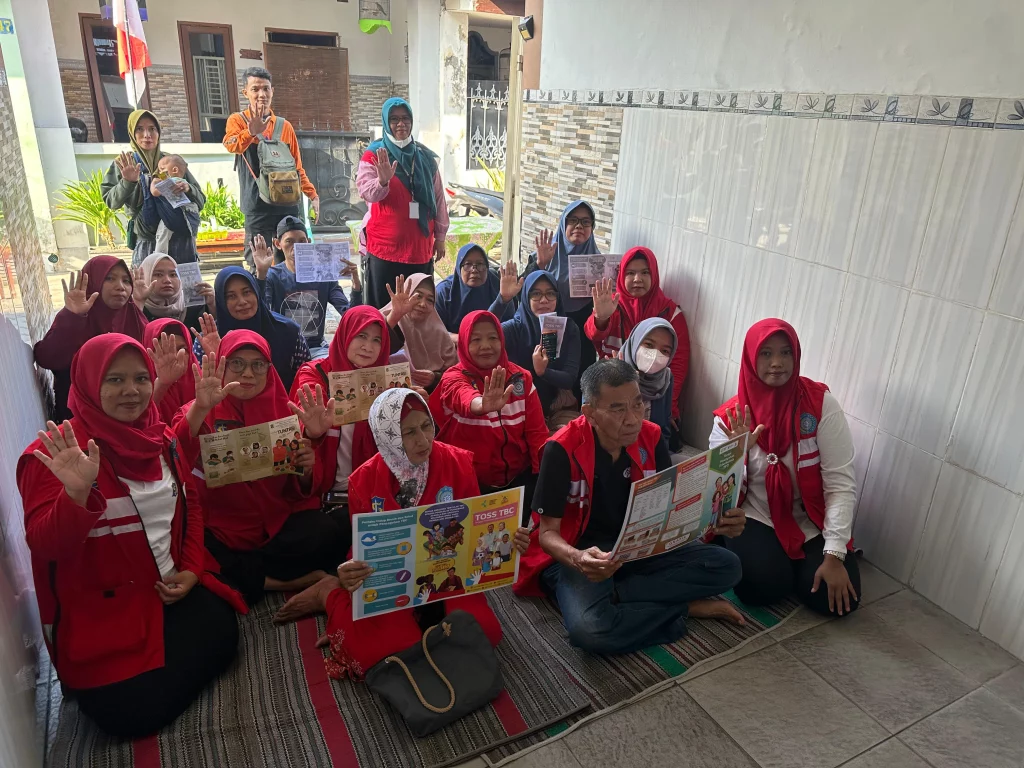
The effort brought together multiple stakeholders, including Kader Surabaya Hebat, community health workers, and students from several universities, with UNAIR playing a leading role.
Student participation
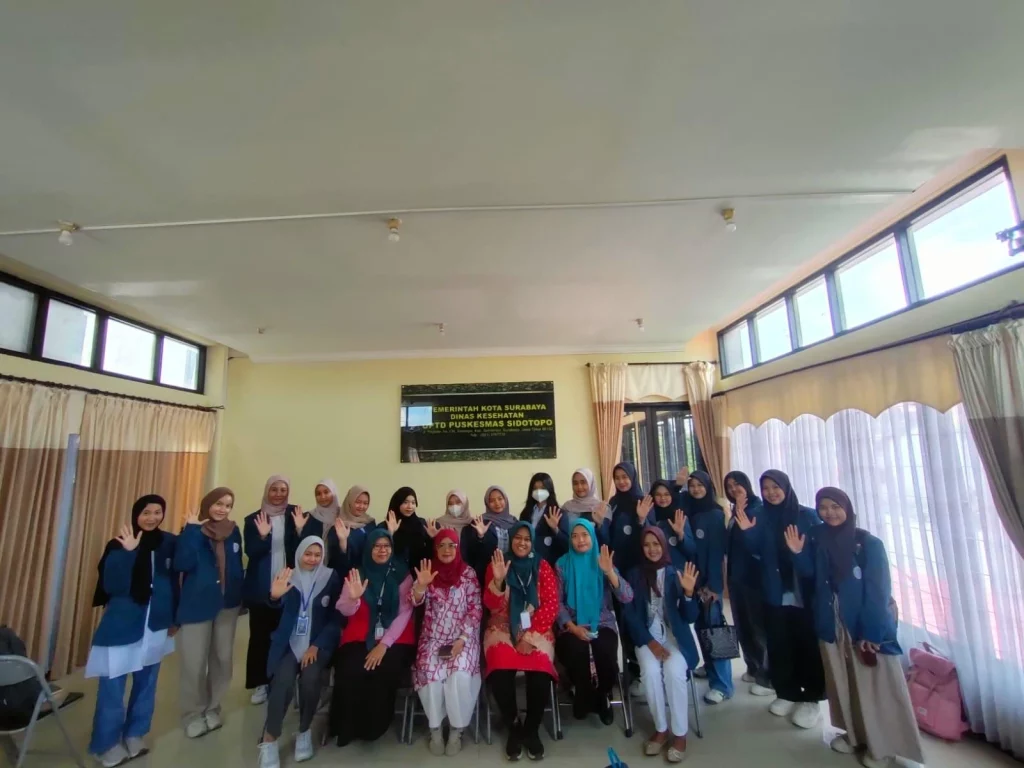
As part of its contribution, UNAIR deployed 501 students from various faculties to take part in the outreach. Prior to the event, they underwent training to prepare for their responsibilities.
“Students acted as supervisors. At each site, they monitored the activities, assisted with implementation, and ensured everything went smoothly. They also helped deliver health education prepared by the Health Office and submitted reports afterward,” Prof. Gadis Meinar Sari explained.
She added that UNAIR’s strong academic resources made the university an important partner in the initiative. “UNAIR is not only an academic institution but also a key part of government-led efforts in public health,” she said.
Ongoing challenge
Despite such large-scale campaigns, Prof. Gadis Meinar Sari acknowledged that tuberculosis remains one of the country’s most pressing health challenges. Its high transmission rate and resistance to eradication make it difficult for both the government and educational institutions to control.
“One-time outreach is not enough. Awareness must be reinforced through ongoing education, consistent media coverage, and eventually case detection, so treatment can begin as early as possible,” she explained.
Prof. Gadis Meinar Sari expressed hope that the program would produce meaningful results, including greater public knowledge of TBC, reduced stigma toward patients, and stronger compliance with treatment among those diagnosed.
Author: Adinda Octavia Setiowati
Editor : Ragil Kukuh Imanto