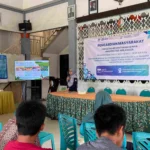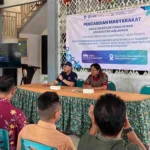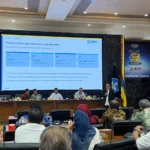
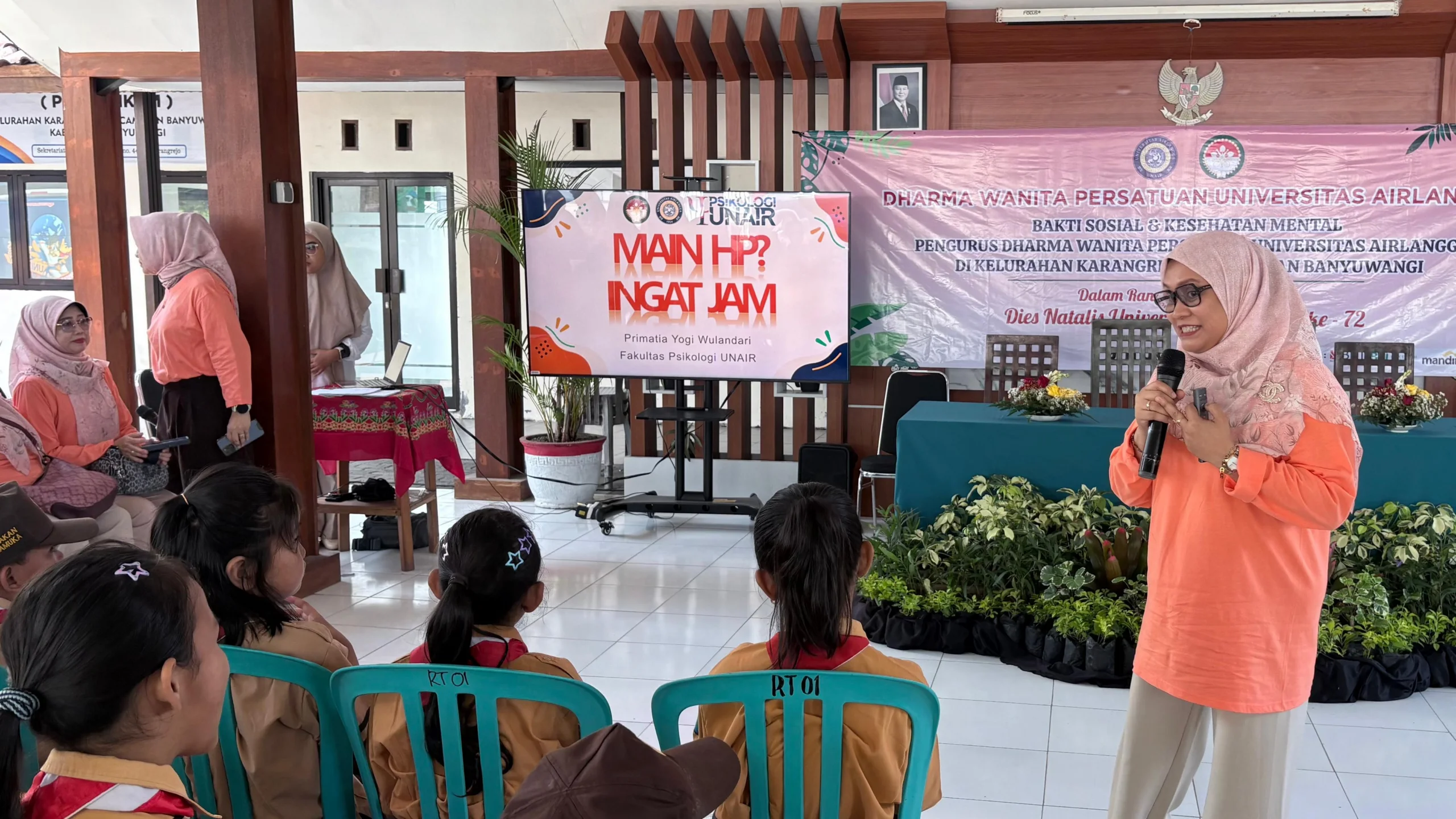
UNAIR NEWS – Civil Services Wives Association (DWP) Universitas Airlangga (UNAIR) held an education session on the impact of gadget use on children, aimed at 50 elementary and junior high school students around Karangrejo Urban Village, Banyuwangi. The event took place at Karangrejo Urban Village Hall, Banyuwangi, on Saturday (October 10, 2026), as part of a social service event commemorating UNAIR’s 72nd anniversary.
The session featured Dr Primatia Yogi Wulandari SPsi MPsi, a lecturer of Psychology UNAIR. Through an interactive presentation, she encouraged students to recognize the impact of excessive gadget use and build healthier digital habits.
Recognizing the impact of gadget use
In her presentation, Dr Wulandari explained three impacts of excessive gadget use: losing track of time, lack of physical activity, and eye strain. She encouraged students to understand these impacts through conversation and questions that directly involved participants.
“First is losing track of time, second is not moving enough, or forgetting to move, and third is tired eyes,” she explained.
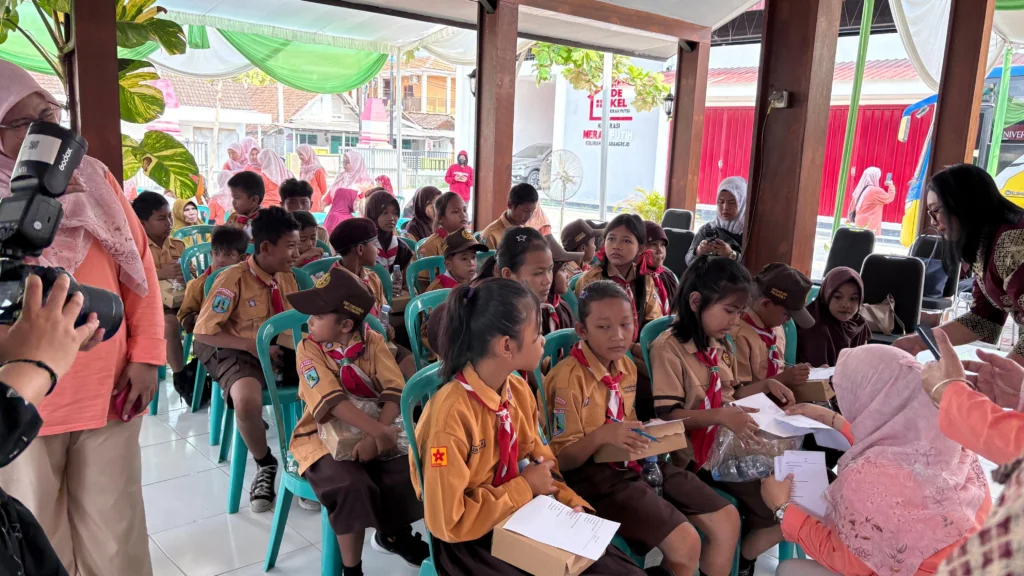
She also reminded students to keep up their daily activities even while using gadgets. Children need to manage their gadget time so they do not neglect basic needs such as eating, drinking, and bathing.
Watch the time, get moving, rest your eyes
As a simple step, Dr Wulandari introduced the principles of watching the time, moving the body, and resting the eyes. She encouraged students to recognize various physical activities they can do, such as playing soccer, biking, running, and walking.
Besides managing time, children need to do activities that move the whole body, not just the fingers on a screen. They also need to rest their eyes when they feel tired after looking at a screen for too long.
Through this education session, DWP UNAIR encouraged students to build the habit of using gadgets wisely. An understanding of time management, physical activity, and eye rest is expected to help children balance technology use with their daily activities.
Author: Zahwa Yasmina Fajri
Editor: Yulia Rohmawati