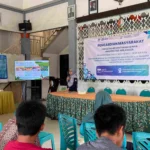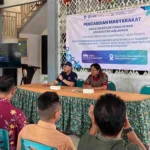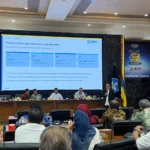
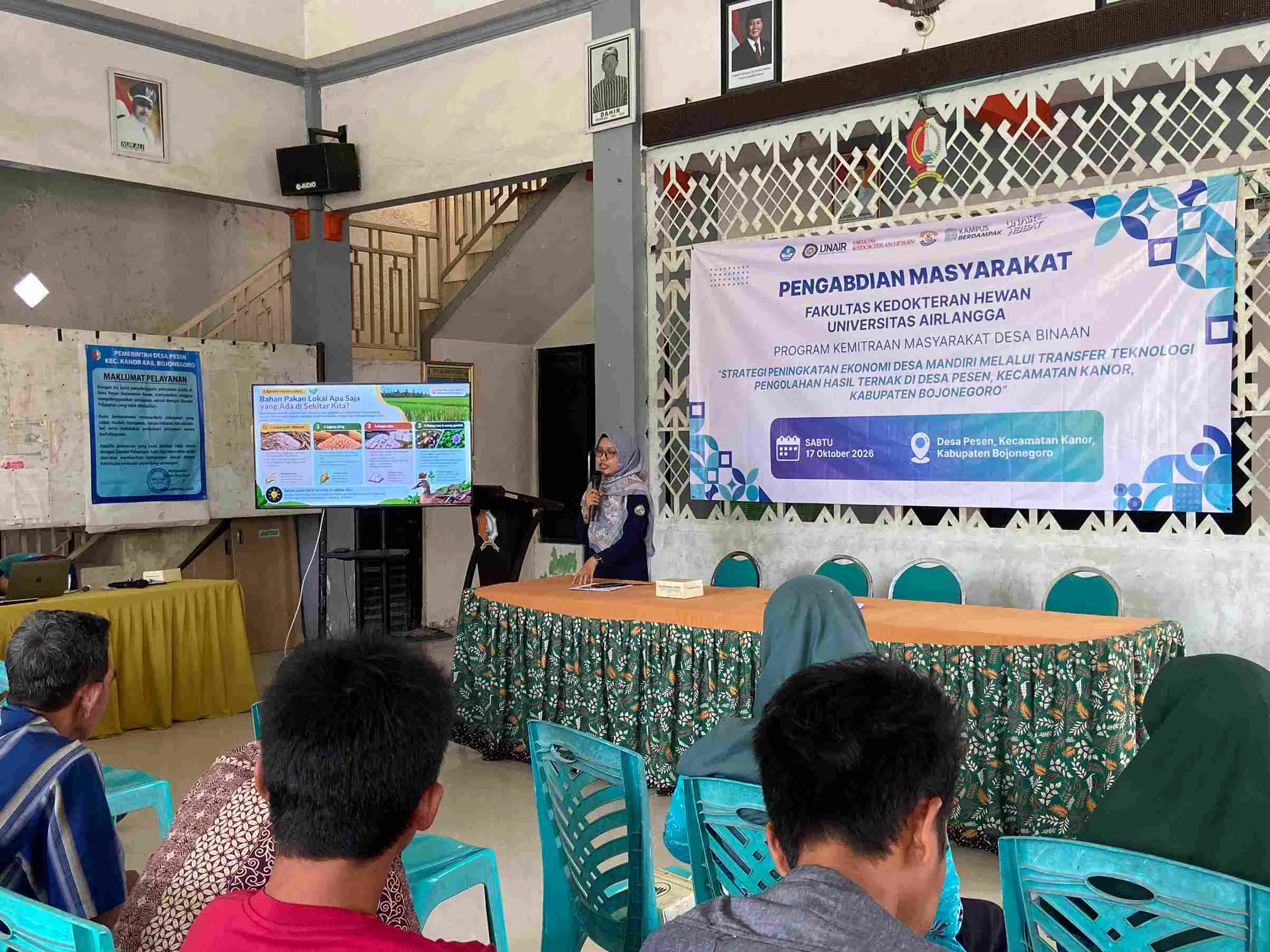
UNAIR NEWS – As a crucial step in welcoming the duck farming assistance program for Beneficiary Families (KPM), Faculty of Veterinary Medicine (FKH) Universitas Airlangga (UNAIR) provided training on formulating duck feed based on local feed ingredient in Pesen Village, Kanor District, Bojonegoro Regency, on Saturday (October 17, 2026).
A lecturer of UNAIR FKH, Dr Zulfi Nur Amrina Rosyada SPt MSi, explained that animal feed accounts for up to 70 percent of the total operational costs of duck farming. Meanwhile, the remaining 30 percent is allocated for seedlings, medication, supplementary feed, and coop biosecurity.
Local feed solution
Reliance on commercial feed frequently erodes farmers’ profit margins. This condition is triggered by the high cost of commercial raw ingredients in the market, particularly concentrate and soybean meal.
“If the prices of commercial feed continue to rise while the selling price of eggs tends to remain stable, farmers’ profits will increasingly diminish. Utilizing local feed serves as the primary solution to reduce production costs without compromising the nutritional quality of the livestock,” she explained.
Furthermore, Dr Rosyada explained that Bojonegoro Regency possesses abundant local feed potential, such as rice bran, ground corn, tofu waste, golden apple snails, and water hyacinth. Regarding golden apple snails in particular, processing them requires steaming or boiling them beforehand to eliminate the risk of parasitic infection before feeding them to ducks.
“In addition, papaya leaves help enrich the yellow color of the egg yolks, while limestone powder keeps the eggshells strong. This homemade feed saves up to Rp 70.000,00 per sack compared to the commercial feed,” she explained.
Nutrition formulation
Dr Rosyada also highlighted the importance of continuous clean water supply, as a lack of drinking water can drastically reduce egg productivity. Beside, nutrition formulation must be tailored to the duck’s growth phase, ranging from the starter phase for ducklings, grower phase during development, to the layer phase during egg production with a protein content above 17 percent.
“A single type of feed ingredient is not enough to meet a duck’s nutritional needs. We must combine sources of energy, protein, minerals, and vitamins in proportion to their age so that the ducks remain healthy and their egg productivity is high,” she explained.
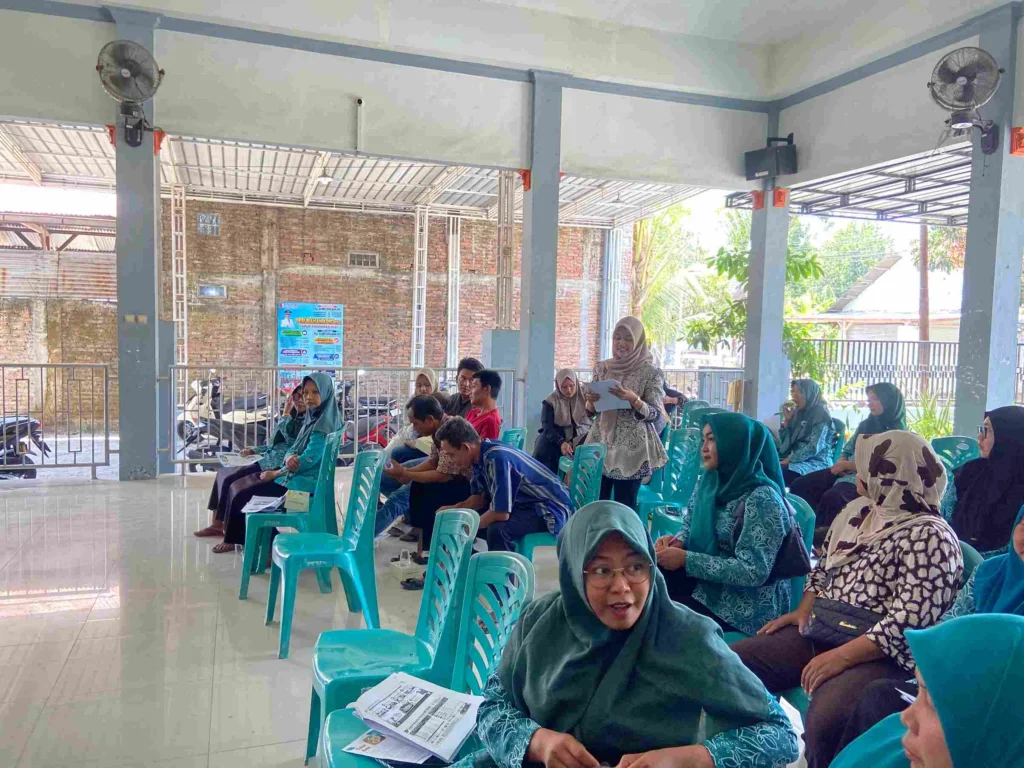
In serving, feed can be provided in the form of dry mash, wet mash, or pellets. If wet feed is used, it must be consumed immediately in a single feeding so that it does not spoil or sour quickly, which could potentially reduce the duck’s appetite.
“Pellets production is considered the most practical method because it has a long shelf life. By self-producing pellets feed based on local ingredients, farmers can save a substantial amount on feed costs while creating added economic value for the village,” she concluded.
Author: Muhammad Yasir Dharmawan D
Editor: Yulia Rohmawati