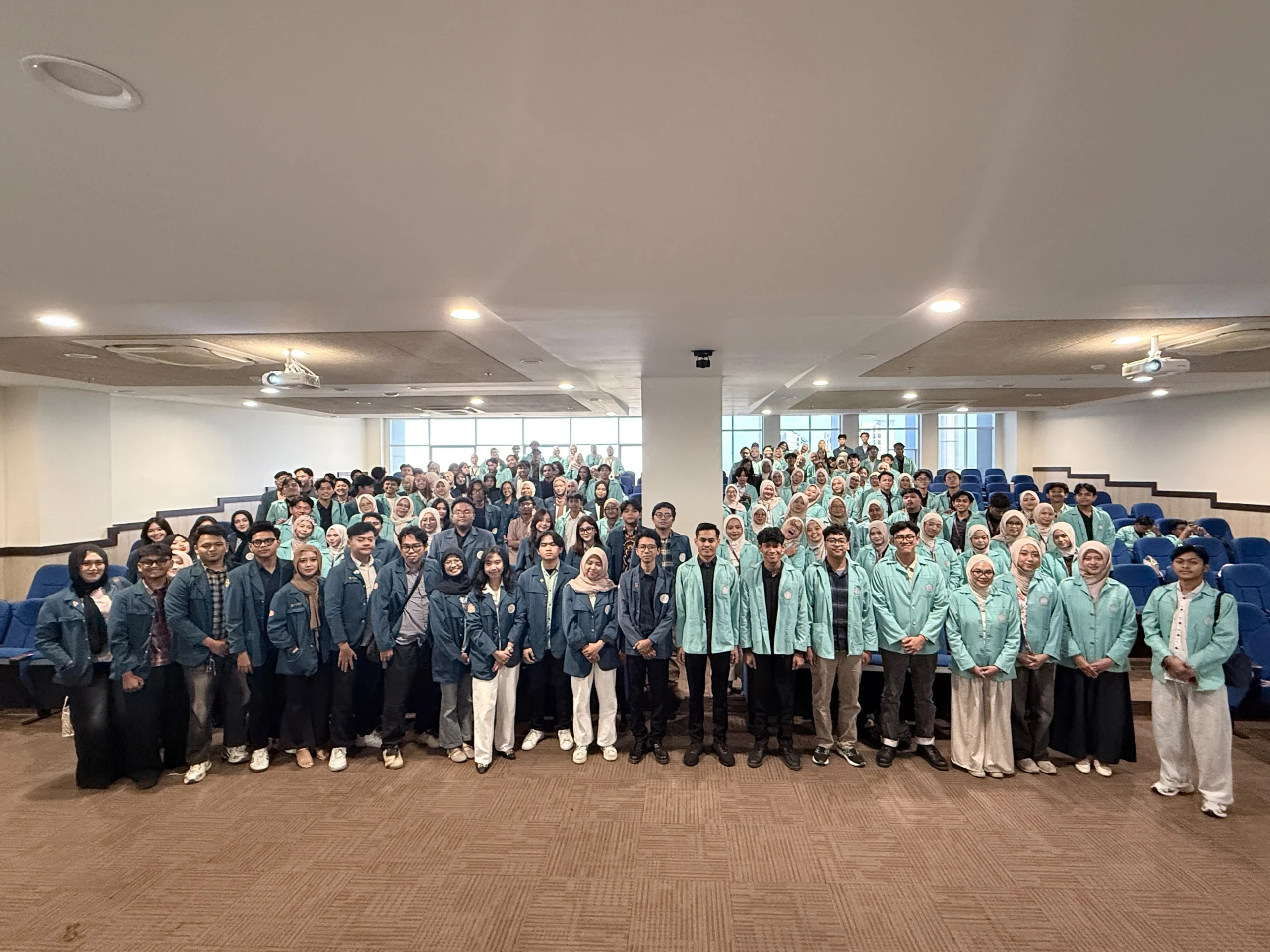
UNAIR NEWS – The Student Executive Board (BEM) of Universitas Airlangga warmly welcomed the monumental visit of a delegation from the BEM of Universitas Sebelas Maret (UNS) at the NANO Building, MERR-C Campus, on Saturday (October 17, 2026). The agenda titled Accepting Visitation, initiated by the Ministry of External Affairs, took place actively and was filled with enthusiasm from hundreds of campus functionaries. This strategic inter-campus meeting successfully broke the stigma of a merely ceremonial event through an in-depth exchange of ideas to improve the quality of organizational performance inclusively.
In the opening session, UNS BEM President M Kailani Rizqi Pratama highlighted the challenges looming over the existence of student movements in the modern era. “Many students now doubt whether organizations are still relevant in the workplace. Especially amid Indonesia’s political condition, which is not doing well,” he said frankly. He stressed that this crucial reality must be met with organizational courage to consistently learn, discuss, and maintain genuine concern for national issues.
Nurturing critical reasoning and ministry synergy
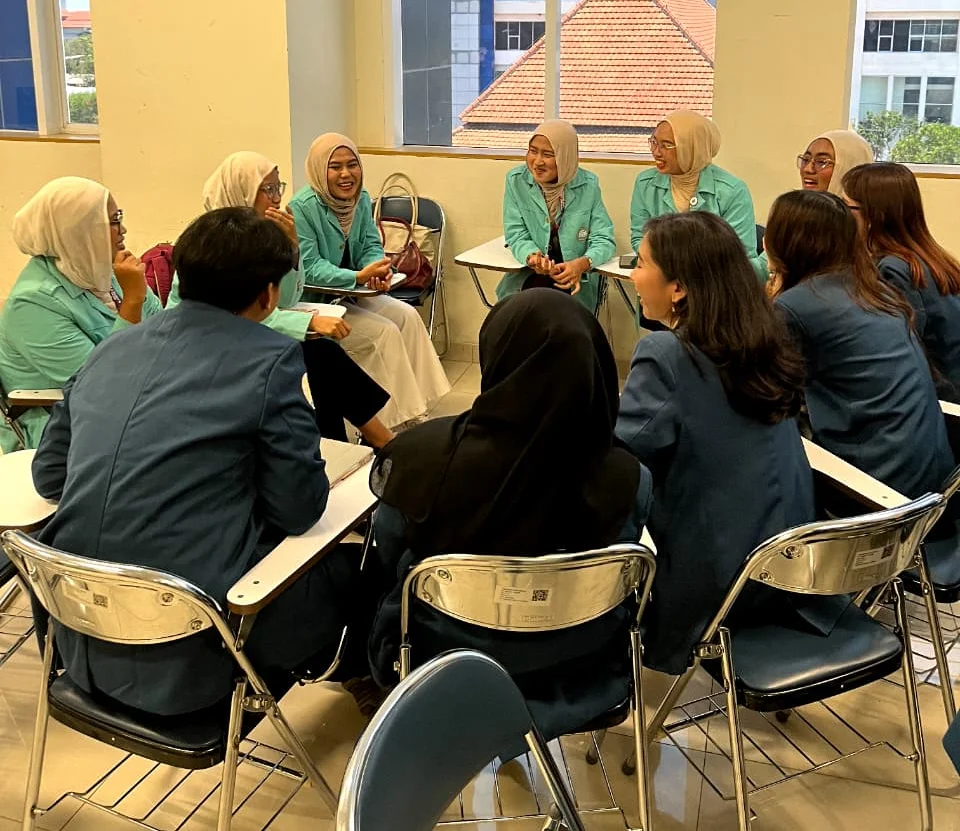
Responding to these systemic concerns, UNAIR BEM President M Rizqi Senja Virawan welcomed the delegation and affirmed the shared commitment to upholding the dignity of student organizations. “This meeting is an important moment for us to exchange thoughts and prove that student movements never lose direction in defending the public,” Virawan stressed. Intellectual synergy grew stronger as the delegates split into Focus Group Discussion (FGD) sessions based on each ministry’s portfolio.
Event person in charge Hanif said the discussion among ministries ran quite long because of the high intensity of strategic idea exchange. “Through this visitation, we found many brilliant ideas during discussions, such as how UNS BEM presents policy information so it is easier for general students to access,” Hanif explained. He hopes the institutional governance insights can soon be implemented by BEM, to create a far more responsive, fast, and transparent advocacy standard for the entire academic community.
Advocacy commitment and sustainability impact
Through this comprehensive elaboration, UNAIR BEM leaders expressed high appreciation for UNS BEM’s breakthroughs, particularly its design of local cultural preservation programs based on comprehensive data research. The systematic strategy of gathering grassroots aspirations before executing their cultural programs was judged highly accurate and worthy of being a model for creating more grounded campus work plans. Good practices such as the Solo Culture Hunt program and the history digitalization innovation become fresh references for student movements at Universitas Airlangga in the future.
Conversely, the guest student delegation from Surakarta also showed deep interest in the management scheme of the Airlangga International Conference, one of UNAIR BEM’s flagship products. They regard the global-scale agenda as a great success, a space for innovative thinking that facilitates cross-country exchange of knowledge with tangible outcomes for the wider public. This cross-institutional interest opens wide opportunities for collaboration. The state universities could collaboratively hold international-scale programs in the next management period.
The meeting of two student organizations from large universities ultimately led to one fundamental goal: delivering real benefits for students outside the management structure. The firmly established institutional relationship will soon become a strategic alliance through cross-issue studies and sustainable public policy advocacy. This collaborative concrete step is solid proof that students remain steadfast in grounding their movement, so it is never distant from social reality and urgent community needs.
Author: Nabila Afifah Abida
Editor: Ragil Kukuh Imanto