



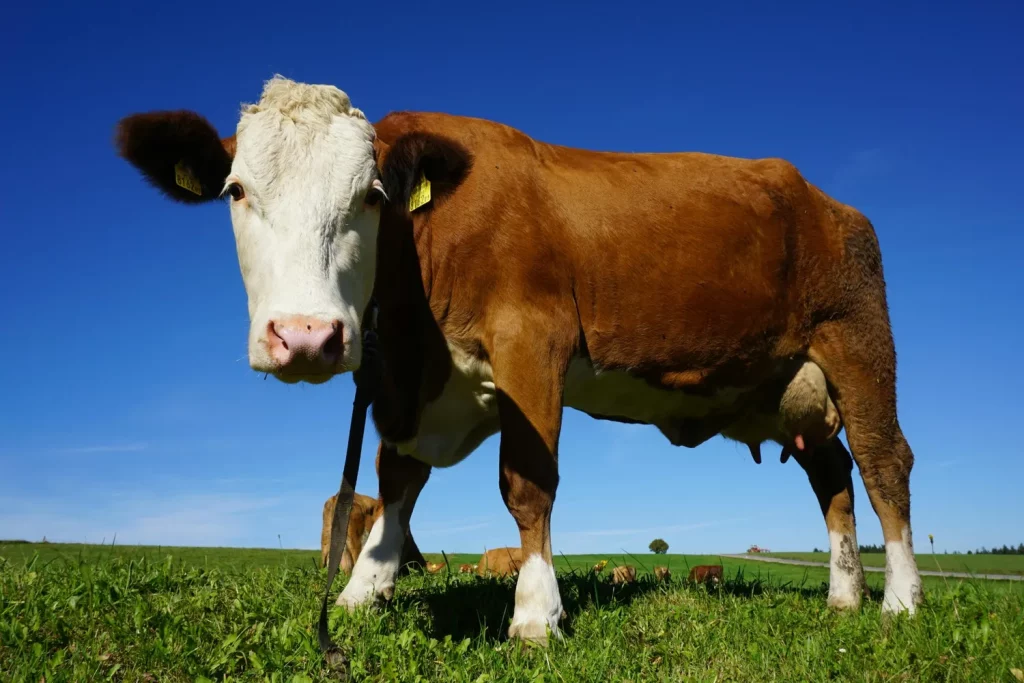
UNAIR NEWS – Coordinating Minister for Economic Affairs Zulkifli Hasan recently announced that import quotas for cattle will no longer be enforced. According to the minister, the move aims to increase supply availability and strengthen food security. In response, Prof. Drs. Ec. Tri Haryanto, MP, PhD—Professor at Universitas Airlangga’s Faculty of Economics and Business—shared his perspective on the potential effects.
“Eliminating the cattle import quota is essentially designed to foster fairer competition among importers,” said Prof. Haryanto. “This includes fair pricing, volume, and quality—while still aligning with the government’s overall import ceiling.”
Potential for price increases
Beef prices, he explained, are directly influenced by supply and demand. The supply, in turn, depends on several factors, including the national cattle population, meat stock levels, and both beef and live cattle imports. While beef imports immediately expand supply, importing live cattle takes considerably more time to impact availability.

“This is especially true when importing feeder cattle, since fattening them takes one to two years,” Prof. Haryanto explained. “If the market experiences a shortage, prices will rise, sometimes sharply and unpredictably. The fastest solution is to import more. But if we remove restrictions entirely, we risk harming domestic farmers and livestock businesses.”
Import quotas, he noted, are a tool to control prices, increase supply, and prevent shortages. Lifting the quota can help stabilize prices, especially during peak demand seasons or years when consumption surges.
Impact on local farmers
Without import restrictions, the country could become increasingly dependent on foreign suppliers for beef and related products. A flood of cheaper—and potentially higher-quality—imports could overwhelm the domestic market.
“In such a situation, local farmers, breeders, and ranchers lose the incentive to increase production,” Prof. Haryanto stated. “That’s why import limits are still important, but they must be complemented with production support—such as improved access to inputs and technology.”
He also pointed out that import quotas provide stability for domestic producers, encouraging investment in production. Quotas help reduce market uncertainty, lower the risk of supply gaps or sudden price hikes, and motivate local producers to scale up.
“Still, implementation can be complex and sometimes lead to unintended outcomes,” he concluded. “Accurate demand forecasting is essential to setting appropriate quota volumes, minimizing delays, and ensuring timely delivery during the quota period.”
Author: Afifah Alfina
Editor: Yulia Rohmawati