

UNAIR NEWS – UNAIR’s Faculty of Science and Technology (FST) Bina Desa program Podokoyo Village, Pasuruan Regency, welcomed the participation of international students through a collaboration with Airlangga Global Engagement (AGE) on Thursday (23/07). Several international student delegates took part in a series of activities for the Plantation Awareness Program and the National Children’s Day celebration. It shows Bina Desa’s commitment to creating opportunities for cross-cultural collaboration in social, economic, and educational initiatives.
International students enliven National Children’s Day and the Plantation Awareness Program
Hanum, a member of the FST Bina Desa organising committee, explained that the presence of international students brought a unique atmosphere to the village community. “We hope their participation will strengthen global collaboration, foster an inclusive and multicultural learning environment, and encourage the exchange of perspectives among local students, international students, and the people of the village,” Hanum said. Direct interaction among children, village residents, and students also created a cross-cultural experience that broadened the international students’ understanding of rural life.
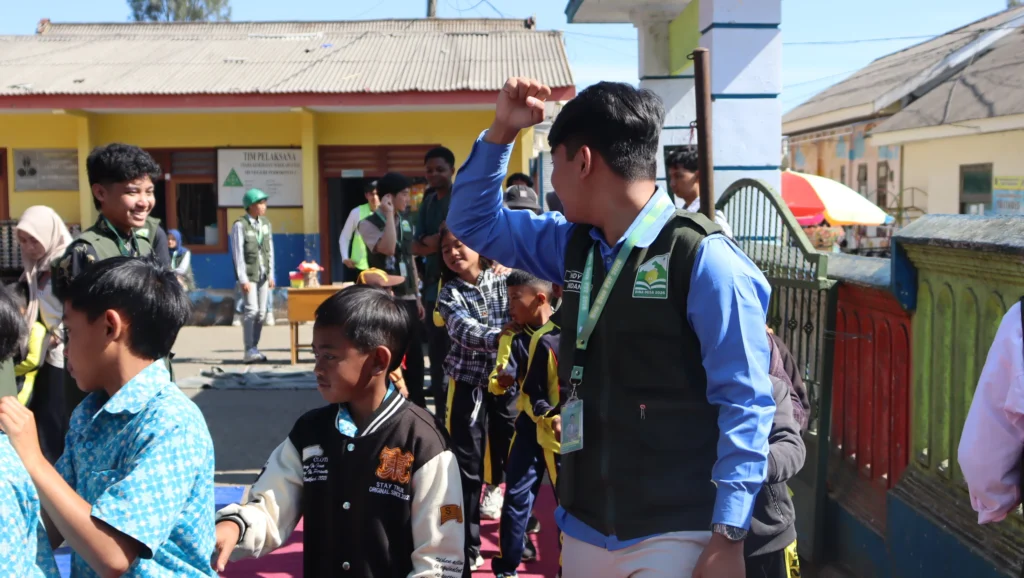
During the Plantation Awareness Program, the participation of international students brought diverse perspectives and cross-cultural experiences. The program focused on strengthening local residents’ understanding, particularly among farming groups in Upper Podokoyo Hamlet, of key agricultural commodities such as potatoes, cabbage, carrots, and leeks, which serve as important drivers of the village economy. Their presence also helped create an inclusive and multicultural learning environment.
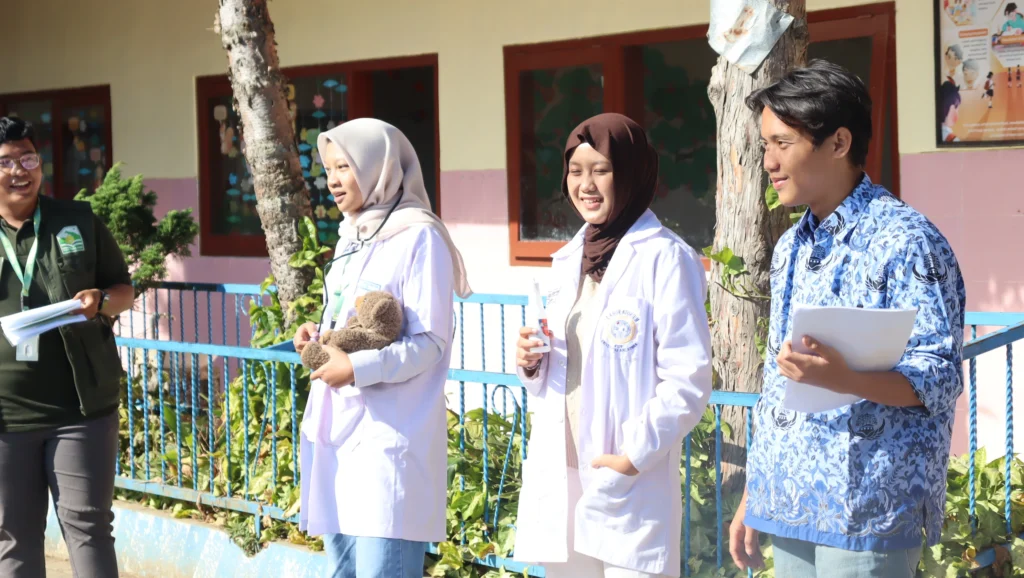
As part of the National Children’s Day activities, local children enthusiastically welcomed the international students. Through interactive activities supported by educational props, the students introduced various professions to help children understand the roles different occupations play in society while encouraging them to aspire to ambitious future careers. The international students also expressed their hope that the experience would provide them with deeper insights into the educational landscape of Podokoyo Village, particularly at SD Podokoyo 2.
Strengthening sustainable global collaboration
Looking ahead, the involvement of international students in the program is expected to foster a more inclusive learning environment while encouraging the exchange of knowledge and perspectives among the people of Podokoyo Village, international students, and local students. These interactions are expected to broaden participants’ understanding of the importance of global and cross-cultural collaboration in supporting sustainable development. In the future, the program will place greater emphasis on internationalisation by continuing to involve international students in Bina Desa activities. This initiative reflects the implementation of the Three Pillars of Higher Education (Tri Dharma Perguruan Tinggi) in delivering meaningful benefits to rural communities.
Author: Yongki Eka Cahya
Editor: Ragil Kukuh Imanto