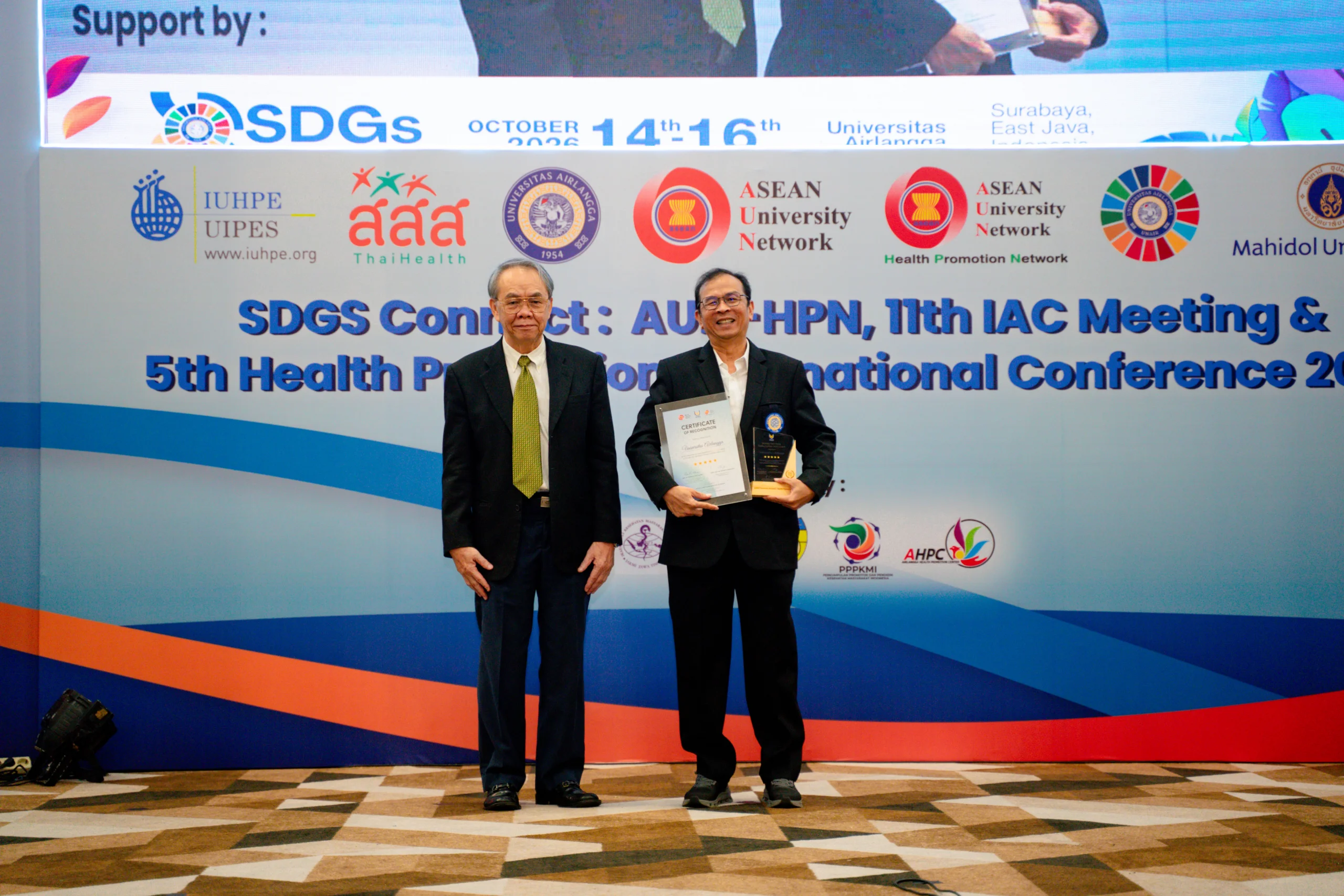
UNAIR NEWS – Universitas Airlangga (UNAIR) once again maintains its five-star rating in the Healthy University Rating System (HURS), a healthy campus rating system initiated by the ASEAN University Network-Health Promotion Network (AUN-HPN). These achievements reflect UNAIR efforts to foster a campus environment that supports health through policies, facilities, education, and health promotion.
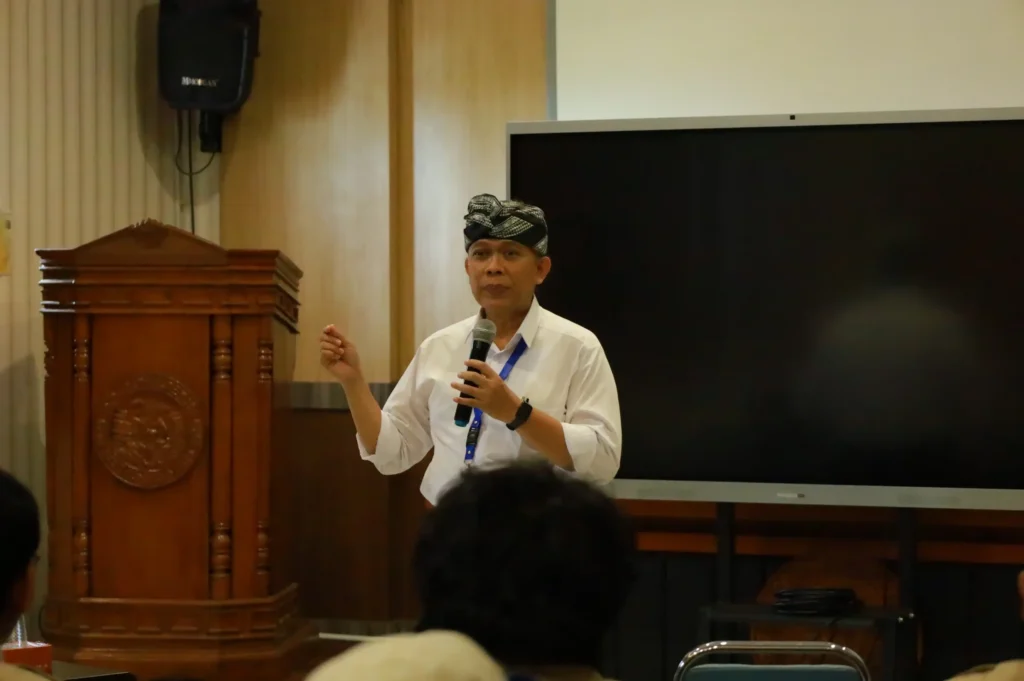
LPMB UNAIR Head Prof Drs Hery Purnobasuki MSi PhD explained that HURS serves as a tool for universities to evaluate their health promotion efforts in a more targeted manner. “Achieving a five-star rating is not merely an award, but an opportunity to identify shortcomings and determine how to improve,” he said.
Evaluation of policies and facilities
Healthy Universities and Campuses (HURS) assessments cover a number of aspects, ranging from health support systems and infrastructure, campus policies, and education through the curriculum, to the implementation of health promotion programs. Each aspect helps universities assess the extent to which their environment and policies support the well-being of the campus community.
Prof Purnobasuki cited as an example the implementation of the no-smoking zone, which requires supervision and compliance from the campus community. Similarly, the cafeteria must maintain cleanliness and food safety, as well as implement waste management practices that support a healthy environment. Additionally, the campus must ensure the accessibility of facilities for people with disabilities and increase its focus on both physical and mental health.
“When we participate in an assessment like this, we can reflect on what we’ve done and identify the areas that still need improvement. Assessment indicators help us recognize shortcomings that may have gone unnoticed until now,” he explained.
According to Prof Purnobasuki, these efforts require the involvement of various units. Health promotion units can spearhead programs and evaluate their implementation, but policy implementation also requires the support of faculty members, facility administrators, and the entire academic community.
Maintaining achievements through real improvements
Results from the HURS assessment can serve as a basis for determining priorities for improvement. If the evaluation identifies shortcomings in specific facilities or policies, LPMB can coordinate with the relevant units to ensure that continuing actions are more targeted.
Prof Purnobasuki emphasized that the success of a healthy campus does not depend entirely on complete assessment documentation. Programs and policies must bring about tangible changes, such as creating a more comfortable environment and encouraging the campus community to adopt healthy lifestyle habits.
“We hope that every effort will have a tangible impact and make campus life better year after year. Awards are just a bonus; the main goal remains the well-being of the campus community,” he concluded.
Author: Maia Chaerunnisa
Editor: Khefti Al Mawalia