

UNAIR NEWS – Poetry serves as a unique form of communication, allowing individuals to express messages in a deep and unconventional way. It provides a medium for profound expression, rich with meaning and nuance. Recognizing poetry’s lasting impact on civilization, the world celebrates World Poetry Day every March 21 to honor its role in inspiring creativity, voicing social issues, and enriching cultural heritage.
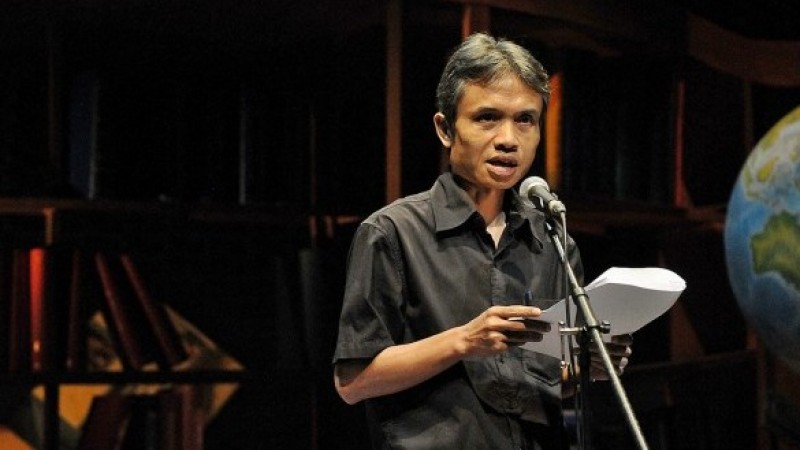
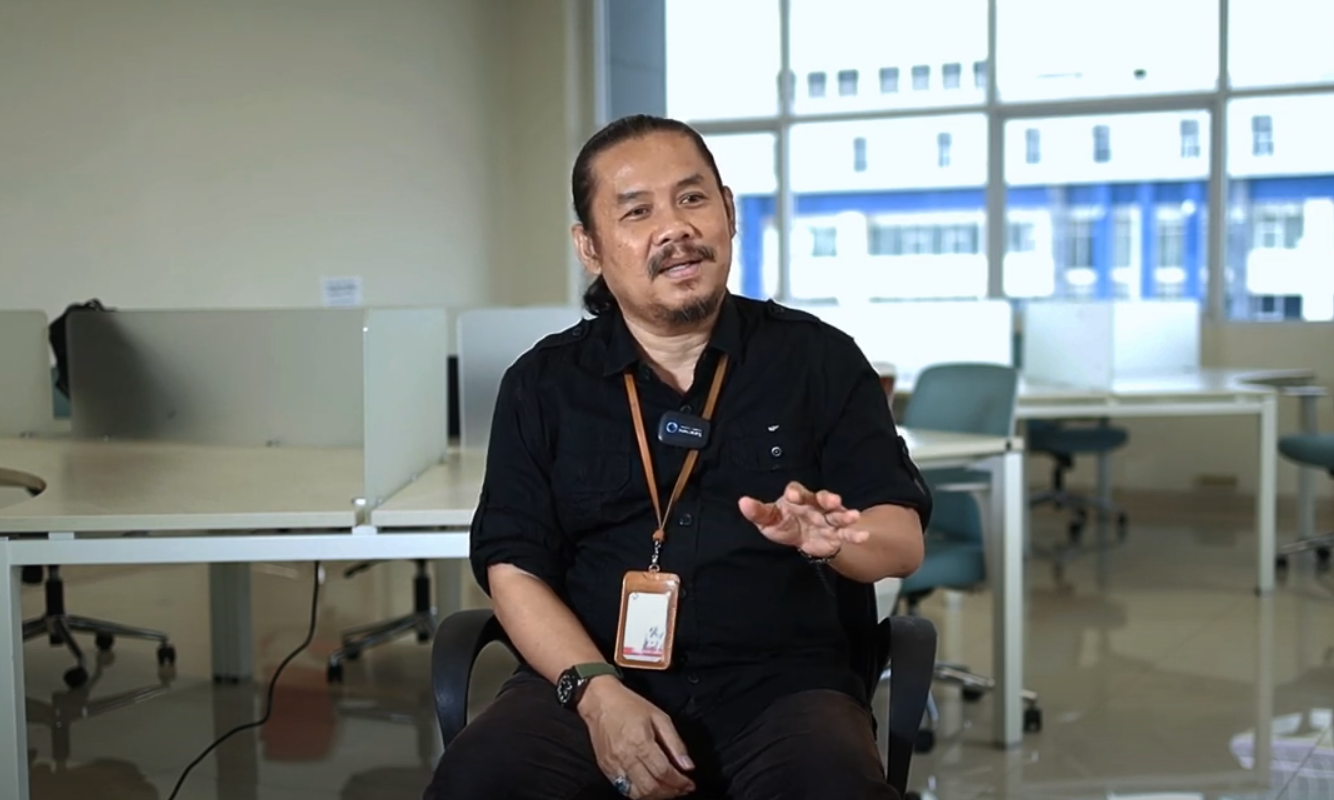
A lecturer at Faculty of Humanities, Universitas Airlangga (UNAIR), Puji Karyanto, S.S., M.Hum., shared his thoughts on poetry’s evolving function. He believes that poetry enables a more elegant and authoritative form of communication compared to ordinary speech. “In the digital age, poetry plays a crucial role. Beyond serving as an aesthetic means of communication, poetry also acts as a vehicle for social critique. Criticism conveyed through poetry tends to be more subtle yet impactful,” he explained.
Poetry through the ages
Karyanto explained that poetry has been an essential part of human civilization for centuries. In its earliest form, it was recognized as a mantra, a sacred chant used to communicate with supernatural forces. Over time, these chants evolved into prayers, while poetry itself continued to develop, adapting to the changing eras.
In the Indonesian archipelago, poetry flourished through various traditions, such as macapat in Java, kakawin in Bali, and syair in Malay literature. During the colonial period, poetry became a means of resistance for the oppressed. Following Indonesia’s independence, it played a significant role in fostering nationalistic spirit. Under the Old Order regime, poetry also served as a medium for criticizing government policies, as seen in Taufik Ismail’s Piramida Benteng. “Every day, we listen to music, which in itself is also a form of poetry,” he added.
Democratization of poetry in digital era
The lecturer also highlighted that poetry remains widely appreciated today, though its platforms for expression have diversified. The rise of digital media has led to a democratization of poetry, enabling anyone to compose and share their work through social media and online literary communities.
“Numerous digital platforms now provide space for poetry, from social media channels to virtual literary communities. Additionally, the government continues to support literary appreciation through national competitions, such as the National Student Art Festival and Competition (FLS2N) and the National Student Art Week (Peksiminas),” he elaborated.
Harnessing digital platforms for creative expression
Despite these opportunities, Karyanto outlined three key steps for young poets to fully leverage the digital age for their creative endeavors. First, utilize social media as a platform to express thoughts and emotions through poetry. Second, enhance the quality of their work by appreciating other poets, studying renowned pieces, and submitting poems to literary publishers or competitions. Finally, engage in prestigious literary events, such as poetry contests and appreciation programs, to gain recognition and refine their craft.
“Therefore, let us actively participate in the creation, appreciation, writing, and reading of poetry. The more we encourage poets, the more motivated they will be to continue writing. If a poem does not resonate with you, reinterpret it in your own style and language,” he concluded.
Author: Adinda Octavia Setiowati
Editor : Ragil Kukuh Imanto