
UNAIR NEWS – A policy proposal from Indonesia’s Deputy Minister Of Primary And Secondary Education encouraging teachers to incorporate English more frequently in classrooms has sparked debate, with concerns that it could weaken the use of the Indonesian language. Prof. Dr. Ni Wayan Sartini, a linguistics professor at Universitas Airlangga (UNAIR), said strengthening foreign language instruction must be carried out in balance without sidelining Indonesian or regional languages that have long existed within the country’s linguistic landscape.
Global needs without losing national identity
English has undeniably become an important asset in the workforce, higher education, and the global digital sphere. However, Prof. Sartini said the issue extends beyond language instruction because Indonesia is fundamentally a multilingual nation. Indonesian serves as the country’s unifying national language, regional languages function as markers of cultural identity, and foreign languages act as bridges to global competence. Problems arise, she said, when the relationship between those languages is not managed in a balanced way. In such conditions, English can begin to be perceived as a symbol of progress capable of replacing other languages.
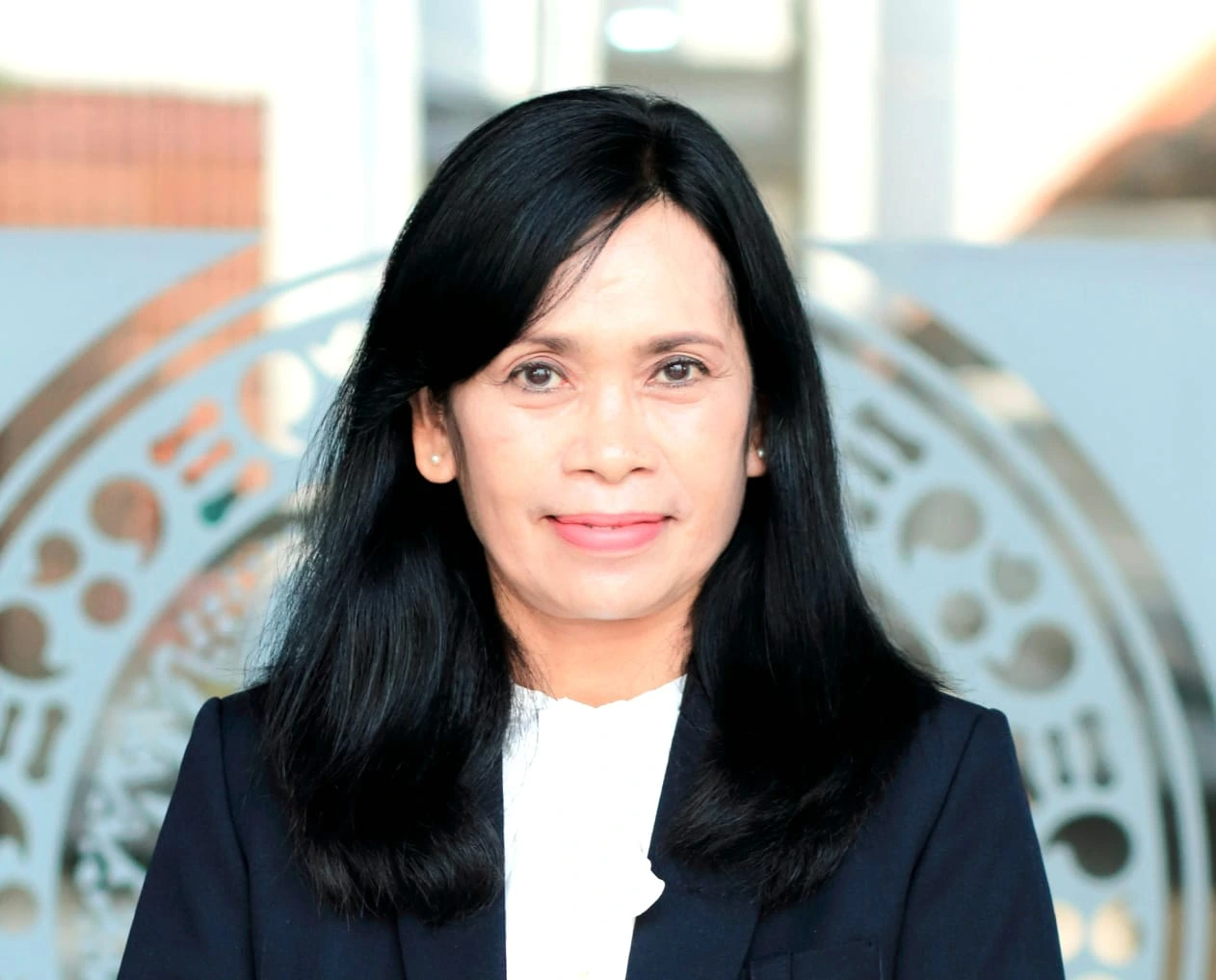
Similar concerns also apply to regional languages, whose number of speakers in Indonesia has declined significantly in recent years. Weakening intergenerational transmission of local languages has further contributed to the problem. Expanding English use in schools, Prof. Sartini warned, could intensify the dominance of English while pushing Indonesian and regional languages further to the margins. “It is impossible to build a strong generation of learners if literacy in the national language itself remains fragile,” she said.
Gradual and realistic implementation
The ethnolinguistics professor stressed that introducing English in classrooms does not require its full use in every learning situation. Teachers, she said, can begin with simple conversations, classroom instructions, or limited vocabulary integration based on each school’s readiness. She also highlighted disparities between schools in major cities and those in less-developed regions. The government, she added, must provide concrete support through teacher training, adaptive teaching materials, and flexible implementation models.
According to Prof. Sartini, the ultimate goal of language education is not to choose one language at the expense of others, but to cultivate a generation that is proficient in Indonesian, rooted in regional culture, and capable of competing globally. “That is where language education finds its true meaning, not merely teaching people how to speak, but helping young generations understand who they are and how they relate to the world,” she said.
Author: Yongki Eka Cahya
Editor: Ragil Kukuh Imanto