


UNAIR NEWS – Eid al-Adha is often associated with an abundance of meat, particularly beef and goat. However, the festive atmosphere frequently leads to excessive meat consumption within a short period, a phenomenon known as overconsumption. This seasonal pattern deserves special attention, as many people tend to overlook portion limits while celebrating the holiday.
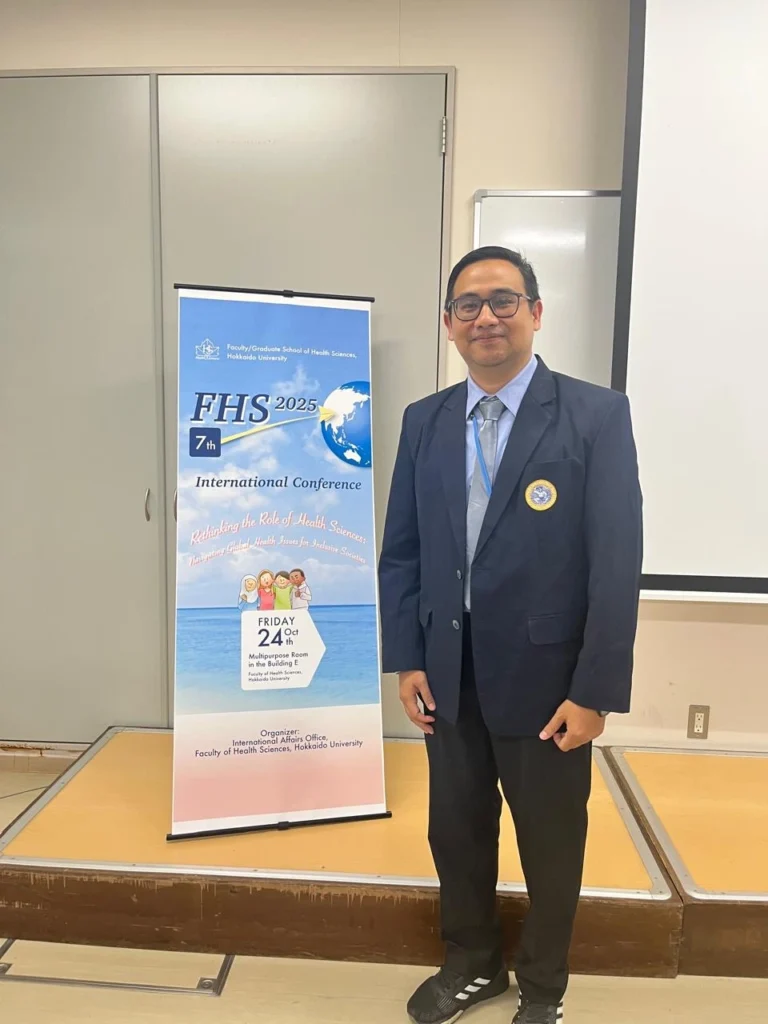
Mahmud Aditya Rifqi SGz MSi PhD, a Nutrition expert at Universitas Airlangga (UNAIR), said excessive consumption of processed meat can immediately place a heavy burden on the body’s metabolism. The human body experiences simultaneous spikes in protein, saturated fat, cholesterol, purine, and calorie intake. “In the short term, this condition can trigger elevated triglycerides, oxidative stress, and temporary energy surplus following meals high in fat and calories,” he explained.
Poor eating habits trigger rising health problems
Many people often blame saturated fat in meat as the primary cause of sudden increases in blood pressure and cholesterol levels. However, Rifqi said the real issue lies in the overall dietary pattern rather than meat alone. “Spikes in blood pressure or cholesterol during Eid al-Adha are usually caused by a combination of factors, including excessive salt intake, coconut milk-based dishes, fried foods, oversized portions, low fiber consumption, lack of sleep, and limited physical activity,” he said.
Clinically, healthcare workers frequently report an increase in patient complaints involving gout, uncontrolled blood pressure, hyperglycaemia, and lipid disorders after the holiday period. Even so, the greatest impact of unhealthy eating habits tends to be long term and cumulative, especially when diets high in saturated fat are maintained consistently. “If unhealthy eating patterns continue consistently, that is what will eventually create serious health problems. If it only happens during the holiday, God willing it is not an issue, as long as consumption is limited and not excessive,” Rifqi said.
Public encouraged to follow balanced plate guidelines
Rifqi said Eid al-Adha also carries an important social mission, as it provides an opportunity for people from lower-income groups to access high-quality animal protein. Nutrients found in red meat are beneficial for supporting child growth, preventing malnutrition, building muscle mass, and strengthening immune function.
For that reason, he said the most realistic educational approach is not to prohibit people from eating meat altogether, but rather to encourage portion control, healthier cooking methods, balanced meal timing, and the inclusion of vegetables and fruits alongside meat dishes.
Author: Fauziah Laili Romadhon
Editor: Ragil Kukuh Imanto