


UNAIR NEWS – Invasive species continue to pose a serious threat to Indonesia’s aquatic ecosystems, particularly in Lake Toba. The rapid proliferation of Red Devil fish has disrupted ecological balance and reduced local fishery productivity. This challenge inspired students from Universitas Airlangga (UNAIR) to develop an innovative, environmentally friendly solution that also promotes renewable energy.
The UNAIR team created a method to convert invasive Red Devil fish into biodiesel feedstock. The process involves extracting the fish’s fat and applying transesterification to produce renewable energy. This initiative combines environmental management, clean energy, and circular economy principles into a single, integrated approach.
Advancing sustainable development goals
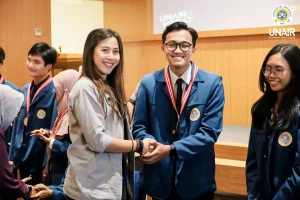
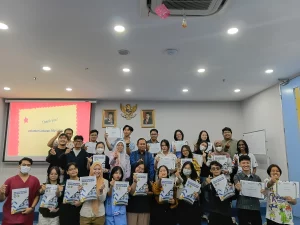
Their innovation helped Abiddah Rahmatusshalihah and Raissa Ramadhani Mahendra Putri secure first Place in the SDGs Project Presentation at the International Youth Leader Exchange, while the team also won first Place Best Speaker. The competition was hosted by Youth.co at the University of Malaya, Malaysia, on Tuesday, Dec 16, 2025.
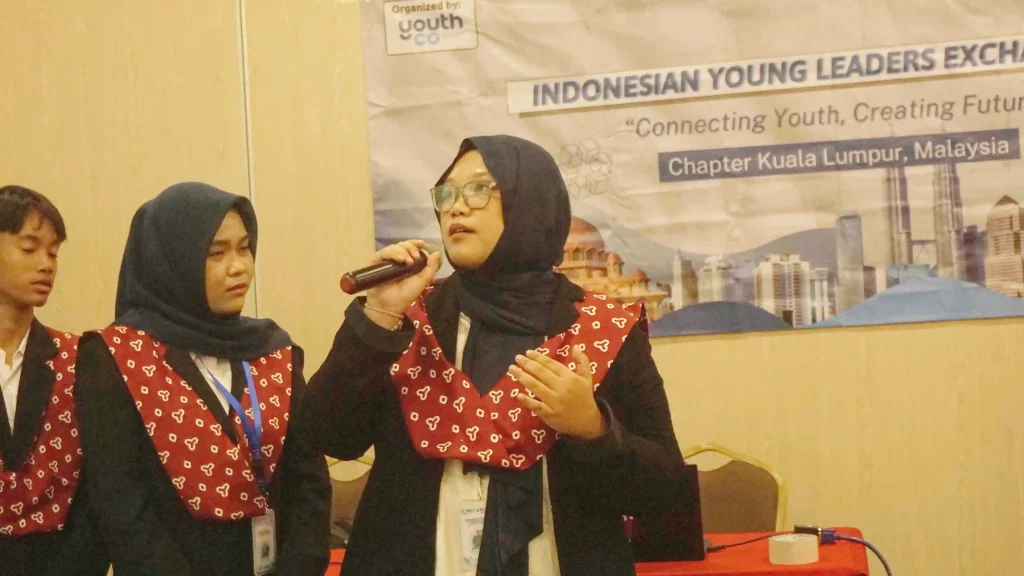
Rahmatusshalihah, representing the team, noted that previous efforts to control Red Devil fish focused solely on catching them, without adding value. “Such approaches have not created long-term benefits for Lake Toba communities. We aim to turn an environmental problem into a sustainable and valuable resource,” she said.
Economic potential
The project not only targets the invasive species population but also opens up new economic opportunities for local residents. By converting Red Devil fish into biodiesel, the initiative aims to improve fishermen’s livelihoods while promoting a zero-waste approach and local empowerment. Additionally, the project supports the shift toward environmentally sustainable clean energy.
“The judges noted the project for addressing two challenges at once: environmental management and renewable energy production. Its circular economy model delivers social, economic, and environmental benefits simultaneously,” Rahmatusshalihah added.
Through this achievement, UNAIR students reaffirm their role as global innovators. Rahmatusshalihah emphasized that the project carries a a broader mission, protecting the Lake Toba ecosystem while boosting community welfare through clean energy. The success is expected to inspire further sustainable innovations within UNAIR’s academic community and beyond.
Author: Rizma Elyza
Editor: Yulia Rohmawati