
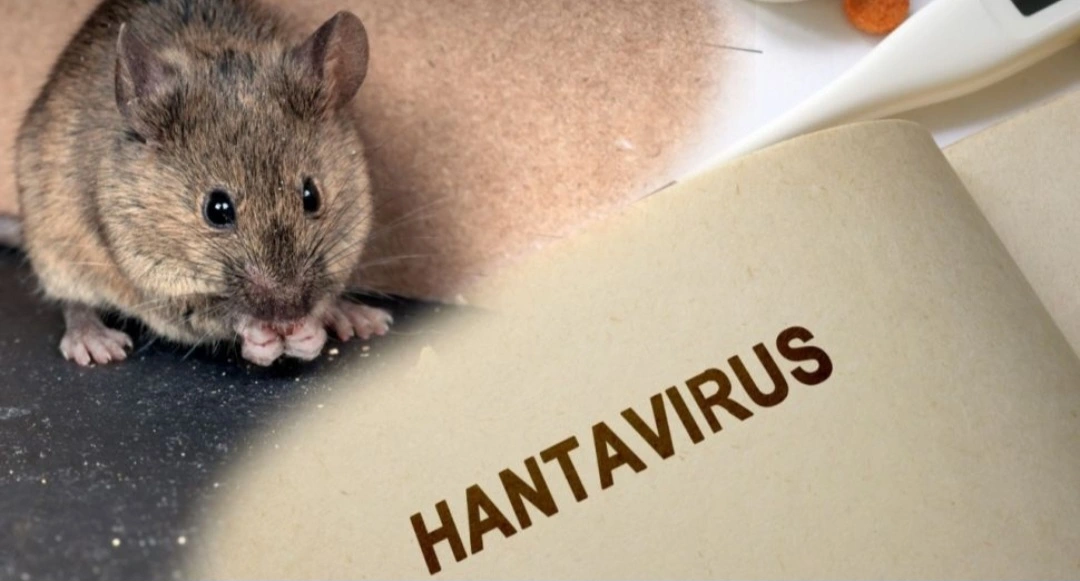
UNAIR NEWS – Global warming is not only contributing to rising temperatures worldwide but is also driving rodents to migrate into densely populated residential areas. The shift has heightened concerns over Hantavirus, a potentially fatal zoonotic disease with a complex transmission pattern because its natural hosts often show no visible signs of illness.
Shelly Wulandari SSi MSc PhD, a virology expert from the Faculty of Vocational Studies (FV) Universitas Airlangga (UNAIR), emphasized that understanding the behavior of animal reservoirs is critical to preventing zoonotic spillover, or the transmission of disease from animals to humans.
Asymptomatic reservoirs pose major surveillance challenges
In the field of veterinary technology, one of the primary challenges associated with Hantavirus is its asymptomatic presence in natural hosts. Brown rats and other rodent species can carry high viral loads without displaying noticeable health problems.
“Infected rodents do not exhibit clinical symptoms or appear physically ill. Because there are no obvious indicators, detecting the virus within animal populations in the field can only be performed through laboratory isolation methods, such as kidney organ extraction,” she explained. As a result, wildlife surveillance becomes especially important because the virus cannot be identified through visual observation alone without laboratory testing.
Environmental changes intensify transmission risks
Environmental changes that influence rodent behavior have also expanded the spread of the virus. Global warming and habitat destruction are forcing rodents to move closer to human settlements in search of food sources and more suitable living conditions.
“Global warming is pushing rats out of their natural habitats and into residential areas that provide more favorable conditions. Combined with rainy seasons and flooding, this situation increases the risk of transmission through rodent urine, feces, and saliva,” the veterinary technology lecturer said. From a veterinary science perspective, the phenomenon increases the likelihood of zoonotic spillover, as contact between infected animals and humans becomes more frequent and potentially more dangerous.

Vector control becomes a key mitigation strategy
Within veterinary technology practices, preventive measures primarily focus on population control and breaking the chain of transmission through environmental biosecurity. Wulandari noted that Hantavirus can survive in surrounding environments and spread through the inhalation of dust contaminated with rodent excretions.
“Although the virus initially spreads from animals to humans, genetic mutations in certain strains may eventually allow human-to-human transmission,” she added. Because of that risk, veterinary technology specialists play a crucial role in monitoring wild animal populations to identify potential mutations before they develop into widespread outbreaks. Close surveillance of rodent populations in urban environments remains one of the most important defenses against Hantavirus, which carries a relatively high fatality rate in humans.
Author: Marissa Farikha Siti Fatimatuzzahra
Editor: Khefti Al Mawalia