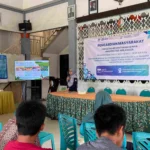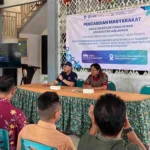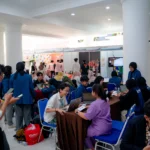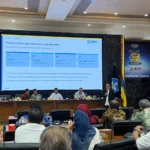
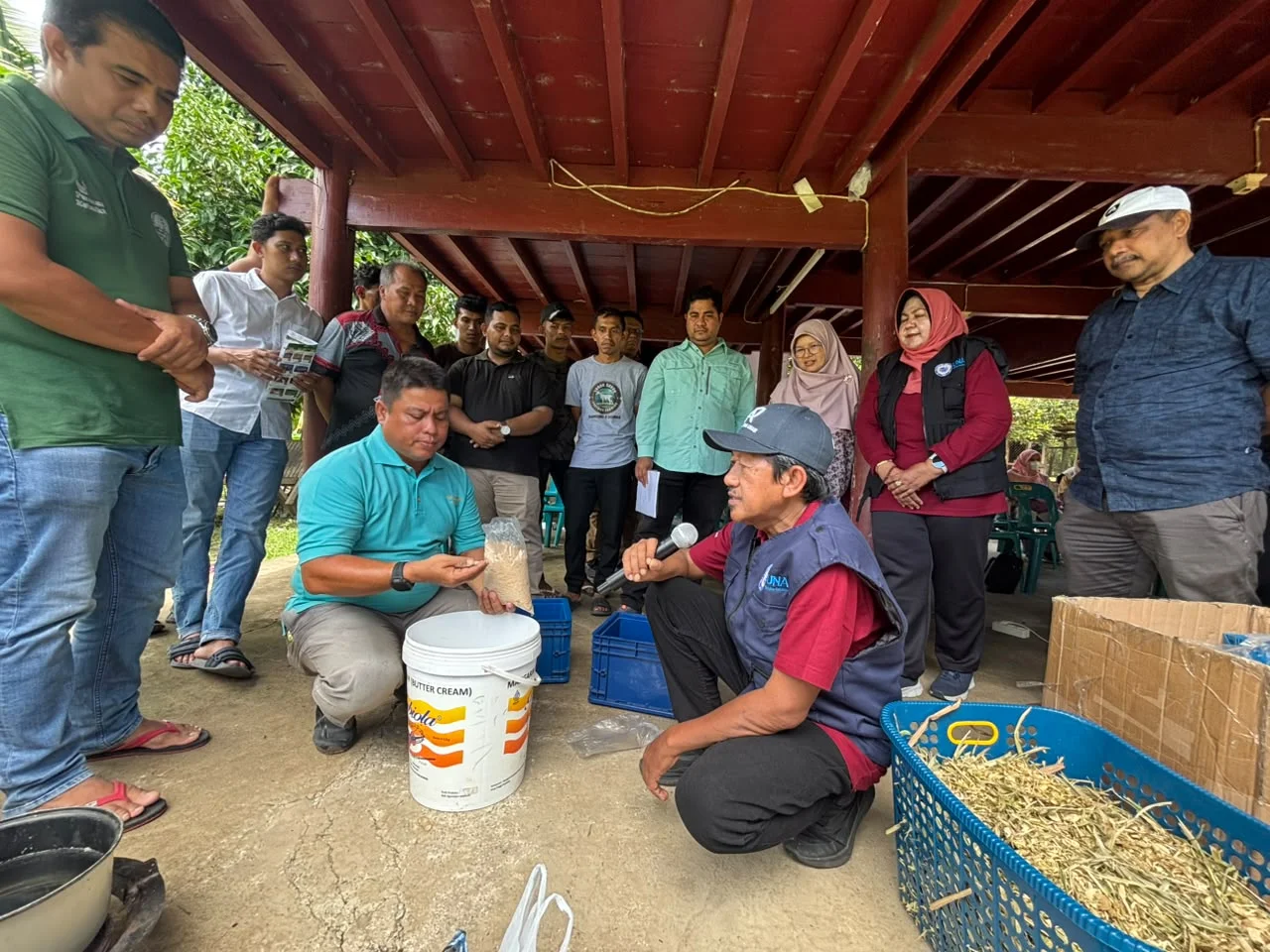
UNAIR NEWS – Faculty of Veterinary Medicine (FKH) Universitas Airlangga (UNAIR) introduced the wafer complete feed (WCF) technology to the cattle farmers in Aceh. A number of 50 farmers in Gampong Lubok Sukon, Ingin Jaya District, Aceh Besar Regency, Aceh, participated in the feed making workshop on Sunday (October 11, 2026). Beside WCF, the participants also learned how to make silage as a post-flood feed reserve.
This workshop is a part of the Assisted Village Development Program (PPDB) UNAIR 2026 titled “Assisted Village Development Based on Probiotic Feed and Aceh Cattle Reproductive Health for Post-Flood Food Security”.
Local germplasm needs to be preserved
The team leader, Prof Dr Mimi Lamid drh MP, said that Aceh Besar was selected because of two reasons: Aceh cattle is a local germplasm that needs to be preserved, and floods in several Aceh areas have disrupted the supply of feed and animal-source food.
“We want the laboratory results to be directly utilized by the farmers. Local materials that have often been wasted can be processed into a complete feed that is practical and has a long shelf life,” said the Professor of the Livestock Division.
Prof Lamid departed to Aceh alongside Dr Zulfi Nur Amrina Rosyada SPt MSi and drh Prof Dr Mohammad Anam Al Arif drh MP, a Professor of UNAIR FKH Animal Feed Laboratory, who acted as the instructor for WCF production. This program also involved Prof Dr Erma Safitri drh MSi for livestock reproductive aspects, and Muhammad Browijoyo Santanumurti SPi MSc PhD from the Faculty of Fisheries and Marine Sciences for One Health aspects.
Collaboration partners
In its implementation, UNAIR FKH collaborated with the CENTROVETS-OHCC Research Center, Universitas Syiah Kuala (USK), which was led by Prof drh Teuku Reza Ferasyi MSc PhD. Two doctors who are UNAIR FKH graduates that currently teach at USK FKH, Dr Siti Rani Ayuti SPt MSi and Dr drh Mudhita Zikkrullah Ritonga SKH MVet, also accompanied the farmers during the workshop as implementing partners. The Vice Dean for Student Affairs of USK FKH, Dr drh Amalia Sutriana, also in attendance to support the program.
The program was conducted in two days. On Saturday (October 10, 2026), the team along with Dr drh Mustafa Sabri MP, Dr drh Faisal Jamin MSi, and drh Awaluddin from USK CENTROVETS-OHCC, inspecting the cattle’s health belonging to Ternak Sejahtera Group and Ternak Meufakat Group. Livestock requiring treatment were provided with medicine, vitamins, and anthelmintics. drh Riyan Ferdian MSi from USK FKH, who is also a team leader for Ternak Meufakat Group, assisted in injecting cattle and goats. Meanwhile, the Ternak Sejahtera Group is led by Amirul Azmi.
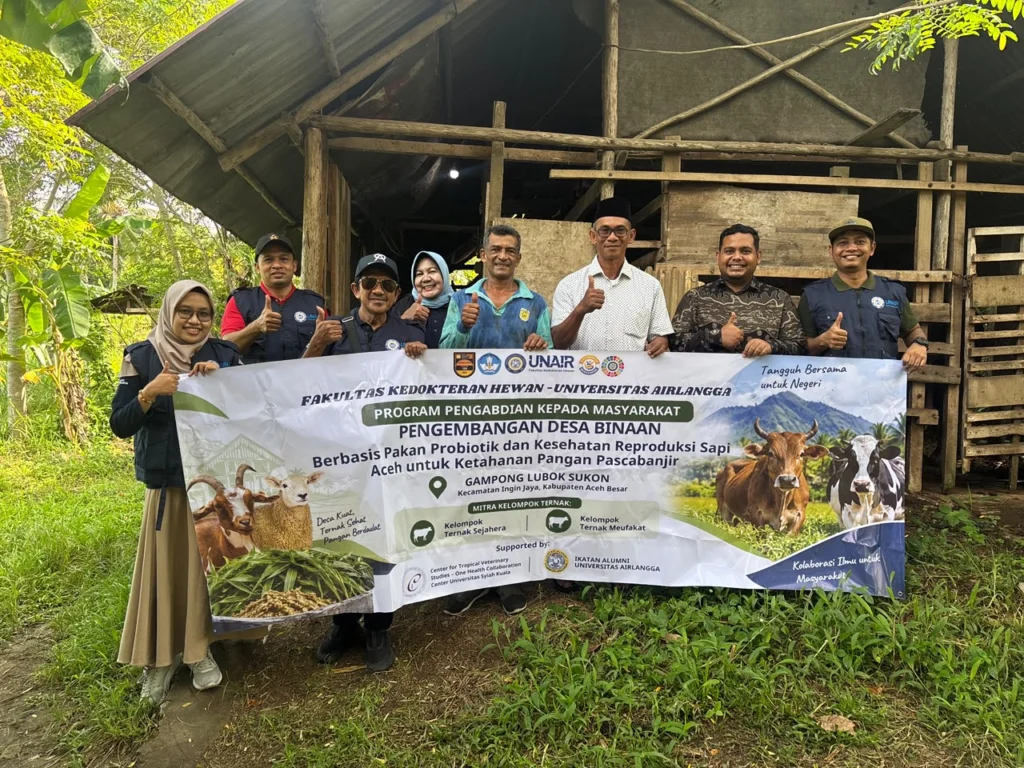
The second day was filled with counseling and hands-on practice. Prof Arif presented on WCF for ruminants, Prof Dr drh Erwin MSc from USK CENTROVETS-OHCC discussed the health of cattle, goats, and sheep, while Prof Lamid presented on feed management and housing for beef cattle.
Target measured
The participants learned the composition of WCF, 70 percent of grass hay and 30 percent mixture of coconut meal, grinded corn, rice bran, pollard, mineral, with tapioca flour and molasses as binders. The dough then compacted in the plastic baskets, cut, and sun-dried until dry. The participants also made grass silage and fermented rice straw using EM4 livestock probiotics. These two technologies were selected because the equipment required is simple and easy to replicate by the groups.
The program was opened by the Keuchik (Village Head) of Gampong Lubok Sukon, Drs Mahyadi SH; the Head of the Aceh Besar Regency Agriculture Office, drh Adekurniawan Addy; and the Head of Livestock and Animal Health Division, drh Uzir SPt MSi also watching the animal feed hands-on practice session.
This program was designed with a measured target. In the first year, at least 80 percent of participants are targeted to be able to produce WCF independently, post-test scores are expected to increase by a minimum of 30 percent, and 70 percent of the raw materials will come from local resources. The second year is directed to downstreaming, ranging from production unit and animal feed bank until WCF packaging and marketing.
This program is supporting five SDGs points: SDG 2, 3, 8, 12, and 15. Its contributions include the provision of emergency feed reserves, One Health-based livestock health, feed business opportunities, the utilization of agricultural waste, and the preservation of Aceh cattle as a local genetic resource.
Author: Dr Zulfi Nur Amrina Rosyada SPt Msi
Editor: Yulia Rohmawati