UNAIR NEWS – As the world commemorates World Environment Day on June 5, 2026, under the theme Climate Action, environmental experts are calling for greater attention to pressing ecological issues. Nur Indradewi Oktavitri, S.T., M.T., Ph.D., an environmental specialist from the Faculty of Science and Technology (FST) Universitas Airlangga (UNAIR), highlighted several environmental concerns that continue to affect Indonesia and the wider global community.
Declining energy resources and rising waste generation
Oktavitri, who is commonly known as Nio, said current environmental conditions require urgent attention as energy resources become increasingly strained while Indonesia’s growing population drives higher demand. To help address this challenge, she advocated for broader adoption of alternative energy sources, including solar power and technologies that convert waste into bio-oil and other usable forms of energy.
She also pointed to the escalating volume of waste generated each day, warning that inadequate management could further degrade environmental quality. Poorly managed waste, she said, affects multiple sectors, including air and water quality, underscoring the need for stronger public awareness and more responsible waste management practices.
“Microplastics, for example, have already contaminated both our air and water systems. Their presence threatens environmental quality and the long-term sustainability of human life. At the heart of this issue is a lack of serious commitment to effective waste management,” Nio said.

Addressing climate change and emerging micropollutant threats
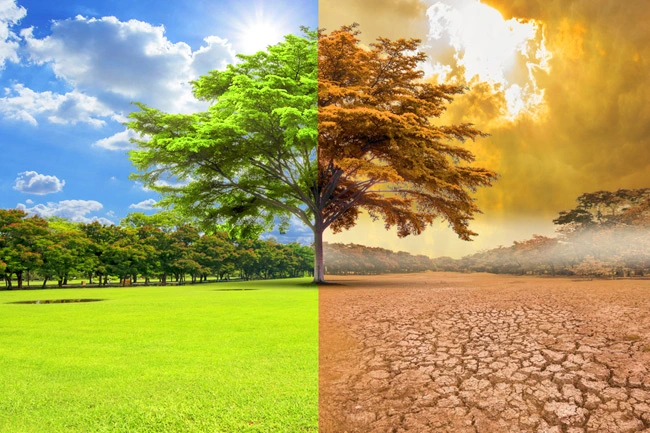
Nio said Indonesia’s repeated experiences with climate-related disruptions highlight the need for stronger mitigation efforts and improved preparedness for increasingly unpredictable weather patterns. Forecasting tools, she noted, can help communities anticipate changing conditions and adapt more effectively. “Climate change may be unavoidable, but its impacts can be minimized through better environmental stewardship,” she said.
She also identified micropollutants as an emerging environmental concern that warrants greater attention in the years ahead. “Micropollutants are contaminants that exist in extremely small concentrations. The topic remains relatively underexplored in Indonesia, yet these substances can accumulate over time and pose significant environmental risks if left unmanaged,” she explained.
Small actions, lasting impact
According to Nio, meaningful environmental change can begin with simple actions at the individual level. She encouraged the public to use social media as a platform for promoting environmentally responsible practices, including waste sorting, recycling initiatives, urban farming, and other sustainability efforts. She also suggested that governments could incentivize communities by recognizing areas that successfully improve and preserve their local environment.
“What starts as a single small action can ultimately lead to meaningful change for future generations,” Nio said.
Author: Fauziah Kandela
Editor: Khefti Al Mawalia