UNAIR NEWS – The urgent need to improve the quality of globally recognized academic publications directly affects Indonesia’s academic competitiveness, which continues to fall behind regional peers. Although research output is growing in quantity, the overall quality and international influence of the country’s publication ecosystem remains limited.
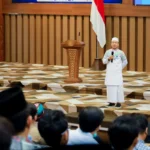
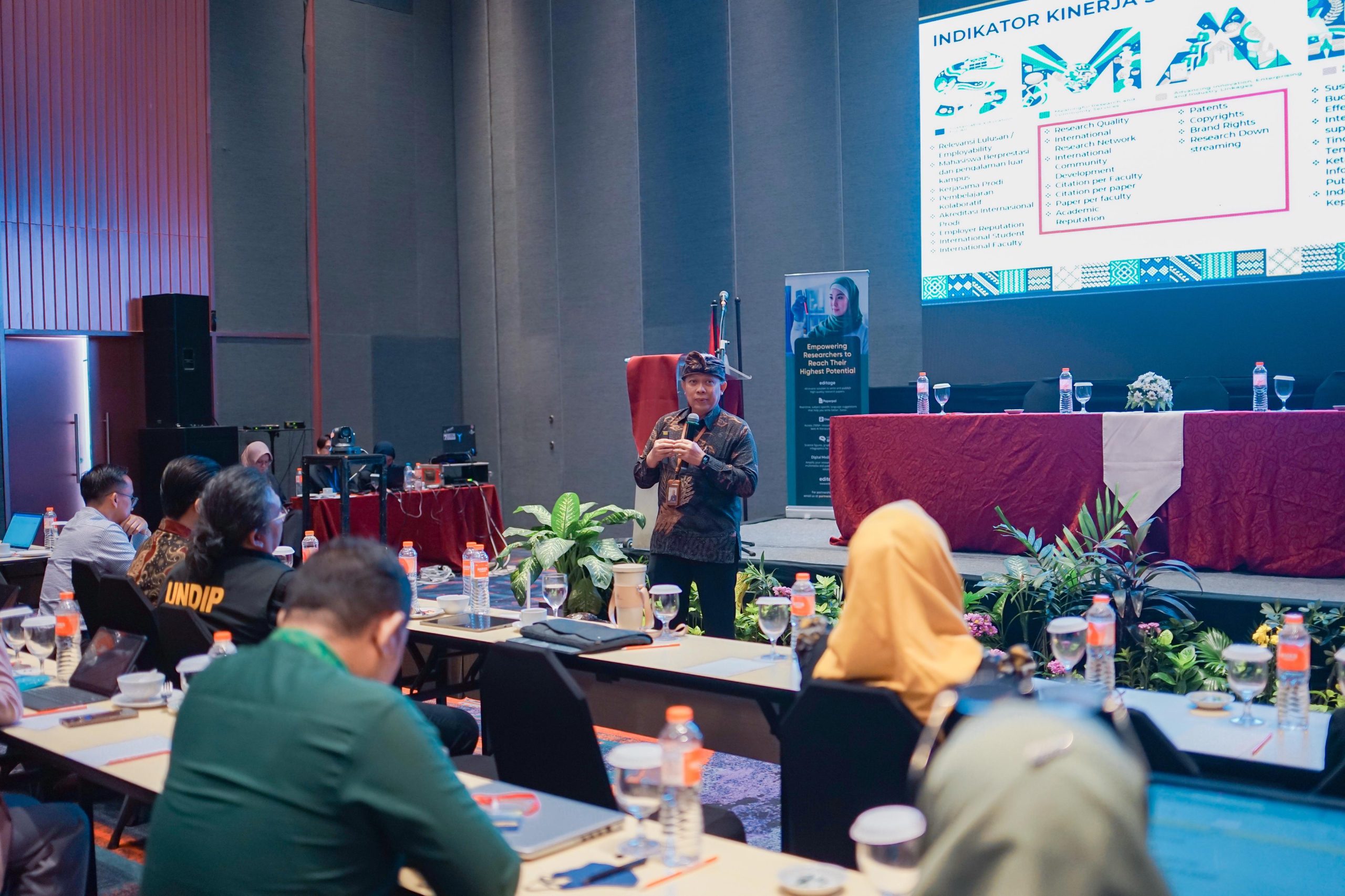
To address this issue, Universitas Airlangga (UNAIR), in collaboration with global scientific publication platform Editage, hosted the Indonesia Research Summit (IRS) 2.1, themed “Driving Global Research Impact Through Strategic Publication and Technological Innovation.” The summit was held on Tuesday (July 8, 2025), at the Majestic Ballroom, Harris Hotel, Surabaya.
Collaboration as cornerstone
This thought-provoking forum brought together leading academics and policymakers, including Director of LITBANGMAS Prof. I Ketut Adnyana, BRIN Deputy Prof. Agus Haryono, UNDIP LPPM Secretary Prof. Firmansyah, and LIPJPHKI UNAIR Chair Prof. Hery Purnobasuki.
The summit gathered representatives from Research and Community Service Institutes (LPPM) across East Java universities, aiming to accelerate the nation’s research competitiveness through strategic collaboration and technological advancement.
In his remarks, Prof. Purnobasuki emphasized that research must not only benefit academic institutions but also generate global impact. One key strategy, he noted, is collaborative international research targeted at producing high-quality (Q1) publications. “Today, no one can work in isolation. We need synergy from start to finish—our role is to manage and maximize research output,” he said.
Avoiding red-flag journals
He also highlighted a growing global expectation for alignment between publication quality and the relevance of technological innovation. “At a minimum, research should result in reputable publications. The focus now isn’t just quantity, but quality,” he stated.
Speakers also addressed the importance of publication ethics, noting that Indonesia continues to face challenges related to “red flag” or potentially predatory journals.
“We must start building a writing culture that values substance, not just numbers,” he added. Nevertheless, the forum signaled that Indonesian universities are ready to embrace a collective, strategic, and globally impactful research culture.
Author: Sintya Alfafa
Editor: Ragil Kukuh Imanto