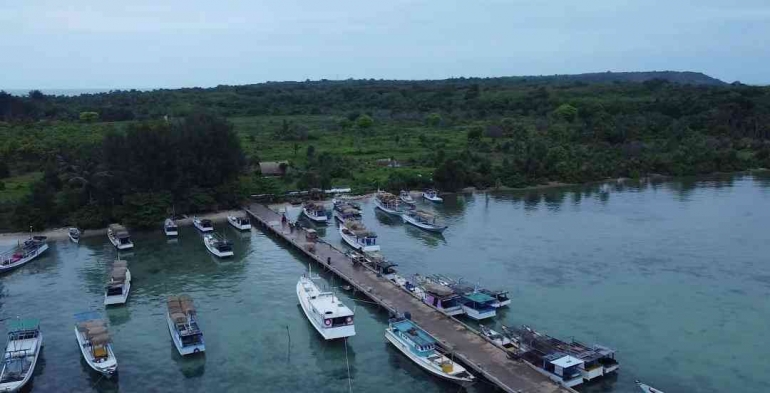
UNAIR NEWS – While Parang Island in Karimunjawa is best known for its scenic beauty and tourism, its residents still rely heavily on traditional medicine, using leaves and tree roots as primary healthcare remedies.
This indigenous practice became the focus of a research project conducted by students from Universitas Airlangga’s Faculty of Humanities (FIB). Their study, titled “Unmasking Local Belief: Traditional Medicine as First Aid Solution and Hereditary Culture in Parang Island,” examined how these age-old practices serve as vital health solutions.
Spotlight on Ethnomedicine
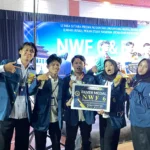
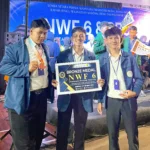
The research team—led by Ilham Baskoro and comprising Karina Kusuma and Nydia Yuliana—presented their findings at the prestigious History of Medicine in Southeast Asia (HOMSEA) Conference, hosted by Gadjah Mada University from June 24 to 27, 2025.
Their work gained widespread recognition from international scholars and professors for exploring traditional healing methods used as first aid in areas with limited access to modern healthcare. “Our presentation was well received because it showcased something distinctive—how people in remote islands depend on roots, leaves, and indigenous wisdom for emergency treatment,” Baskoro said.

Cultural Wisdom of traditional remedies
The study explored not only the medicinal aspects of traditional herbal practices but also their cultural and spiritual significance. The transformation of Rebo Biso leaves into capsule form, the sacred use of Dewandaru wood in herbal brews, and the continuing roles of traditional birth attendants and mystical healers all reflect the island’s cultural identity.
“Healthcare in Parang isn’t merely a clinical practice—it’s a testament to cultural resilience and spiritual continuity. These are living traditions, not relics of the past,” he explained.
Unlocking local potential
Baskoro emphasized that their topic was chosen with intention. “We see Parang Island’s ethnomedicine as a bridge between science and culture. It offers fresh perspectives that were acknowledged by international academics,” he added.
According to a report from ugm.ac.id, the HOMSEA 2025 conference brought together 140 participants from 14 countries, fostering interdisciplinary dialogue among experts in history, anthropology, medicine, and public policy.
“We received constructive feedback from professors and international scholars. Although we’re still students, our work stood on equal footing with senior researchers,” he concluded.
Author: Sintya Alfafa
Editor: Ragil Kukuh Imanto